
Choosing a general contractor in Brooksville is the single largest trust decision most homeowners will ever make outside of buying the house itself. The wrong choice leads to liens, abandoned job sites, and lawsuits that drag on for years. Protech Construction Services LLC, license CBC1268979, has worked across Hernando, Pasco, and Citrus counties long enough to see every scam pattern and every contract trap. This guide arms you with the verification steps, legal protections, and red flags you need before you ever sign a contract.
Why Choosing the Wrong Contractor Is the Most Expensive Mistake You Can Make
A bad contractor is not just a delayed project. It is a home with failed inspections, liens recorded against the deed, subcontractors banging on your door demanding money you already paid, and insurance claims that get denied because permits were never pulled. In Florida, the financial exposure from hiring an unlicensed or dishonest contractor can reach 2 to 3 times the original contract value by the time you factor in lien payoffs, tear-out and rebuild costs, and legal fees.
The Florida Department of Business and Professional Regulation receives thousands of complaints every year against unlicensed and underqualified contractors. Hernando County alone has seen a steady rise in storm-chaser activity since 2020, with roaming crews appearing after every hurricane season. Homeowners who skip verification do not just lose money. They lose equity, insurance coverage, and sometimes clear title to their property.
The good news is that Florida gives homeowners powerful tools to verify contractors and protect themselves. Most homeowners never use these tools because they do not know they exist. This guide walks through every single one.
What a Florida Contractor License Actually Means
Florida contractor licenses are issued by the Department of Business and Professional Regulation (DBPR). They are not marketing badges. They are legal authorizations that define the exact scope of work a contractor can legally perform. Using the wrong license type for your project can void your permits and your homeowner insurance.
The main classes of Florida contractor licenses are:
- Certified General Contractor (CGC): Unlimited scope. Any building, any height, any structural complexity. This is the broadest license class.
- Certified Building Contractor (CBC): Residential and commercial up to 3 stories, excluding load-bearing structural changes on steel or concrete above 2 stories. Protech holds CBC1268979, which covers the full range of custom homes, additions, and remodels typical in Hernando County.
- Certified Residential Contractor (CRC): One-family, two-family, or three-family residences only, up to 3 stories. Cannot do commercial work.
- Specialty Trade Licenses: Roofing, plumbing, electrical, and HVAC are separately licensed. A GC can subcontract these trades, but cannot pull the trade-specific permit without holding that trade license.
- Registered vs Certified: Registered licenses (such as RBC) are locally issued and limited to one specific county. Certified licenses are statewide. Always prefer certified over registered for any project above minor repair scope.
If a contractor tries to do a kitchen remodel with a plumbing-only license, or quotes a full home addition as a handyman, the permits will fail and your insurance may deny any related claim for life.
How to Verify a License in 30 Seconds
Every homeowner should do this before the second meeting, before any deposit, and before signing any document. It takes less time than ordering coffee.
- Go to myfloridalicense.com: This is the official DBPR public portal. Bookmark it.
- Click Verify a License: Located at the top of the homepage.
- Search by license number or name: Enter CBC1268979 to see Protech, or type any business name. You will see license type, status, issue date, and qualifier name.
- Confirm the status is Current, Active: Anything marked Delinquent, Null and Void, Voluntary Relinquishment, or Suspended is a stop-work signal.
- Match the qualifier to the company: The qualifier is the human being whose license backs the company. If the qualifier does not match the business you are talking to, ask why.
- Cross-check the physical address: The address on the license should be consistent with the business you are dealing with. PO boxes and out-of-county addresses on local contractors are worth asking about.
- Screenshot it: Save a dated screenshot. If the license status changes later, you have proof of what was active when you signed.
If the contractor hesitates when you ask for their license number, stop the meeting. A legitimate Florida GC prints the number on every business card, quote, and contract.
The Insurance Every Legitimate Contractor Carries
Insurance is the difference between a workplace injury becoming the contractor's problem and becoming your lawsuit. The minimum coverages every homeowner should demand certificates for are:
- General Liability: Minimum $300,000 per Florida law. Serious residential GCs in Hernando County typically carry $1,000,000 or more. This covers property damage and bodily injury caused by the contractor's operations on your job.
- Workers Compensation: Mandatory under Florida law for any contractor with employees. Enforced by the Florida Department of Financial Services. Covers medical bills and lost wages if a worker is injured on your property.
- Officer Exemption (NOE): Owners or corporate officers may file a Notice of Election to exempt themselves personally, but the business still must carry workers comp on every non-officer worker. Ask to see the NOE and the policy for the rest of the crew.
- Commercial Auto: Covers company trucks and trailers. If a crew vehicle backs into your garage, this policy pays.
- Subcontractor Verification: Good GCs require every sub to provide certificates of insurance before stepping on site. Ask how your GC tracks sub insurance compliance.
- Bonding: Not legally required for most residential work in Florida, but many Florida counties require a $5,000 to $20,000 bond for permit privileges. Ask if your contractor is bonded with the county where your project sits.
Demand a Certificate of Insurance (COI) issued directly from the insurance carrier to you as the certificate holder. A photo of a policy page is not a COI. If the contractor cannot produce a COI within 24 hours, assume they do not have real coverage.
Florida Construction Lien Law: The Protection Most Homeowners Never Use
Chapter 713 of the Florida Statutes, commonly called the Construction Lien Law, is the single most important legal framework a Hernando County homeowner should understand before a contractor starts work. It exists to prevent subcontractors and suppliers from losing money when a general contractor fails to pay them. It can also expose you, the homeowner, to paying for the same work twice if you do not use its protections.
How a Notice to Owner works
Any subcontractor, supplier, or laborer who is not in direct contract with you must send you a Notice to Owner (NTO) within 45 days of first starting work or delivering materials. The NTO is a formal warning that this party has the right to lien your home if they are not paid.
If they fail to send an NTO within that 45-day window, they lose their lien rights entirely. That is your first layer of protection. Keep every NTO that arrives. Each one is a name you need to clear before final payment.
Your rights as the homeowner
Florida law gives you specific tools most homeowners never use:
- Request a sworn statement: At any time, you can demand in writing that the contractor provide a sworn statement listing every subcontractor and supplier on your project, with contact details and amounts owed.
- Require lien releases at every draw: Before releasing any payment, get a signed lien release from the GC and from every party who served an NTO, for the portion of work being paid.
- Partial payment affidavit: As an alternative, you can accept a sworn affidavit from the GC at each draw affirming that all subs and suppliers are current through that draw.
- Final contractor affidavit: Before the final payment, Florida law requires the GC to deliver a sworn final affidavit listing every unpaid sub. If any are listed, you can withhold payment or pay those subs directly.
- 90-day recording window: Subcontractors have 90 days from their last work or material delivery to record a formal claim of lien on your property. That window closes quickly if you know about it.
The scenario Florida homeowners fear most is the double payment. A homeowner pays the GC in full. The GC pockets the money and does not pay the drywall sub. The drywall sub records a lien against the home. The homeowner now owes the lien amount on top of the payment already made. This happens every year in Hernando and Pasco counties, and it is fully preventable with lien releases.
How to Protect Yourself at Every Payment Draw
Every payment milestone is a decision point. Use the same checklist every time. For a detailed breakdown of what those milestones look like on a ground-up build, see our guide on the cost to build a custom home in Hernando County 2026.
- Verify the physical work completed: Walk the site. Confirm the milestone described in the contract is actually finished to the agreed standard before releasing any money.
- Collect lien releases: Get signed releases from the GC and every NTO-serving party for the work covered by this draw.
- Confirm inspections passed: Any permitted phase (foundation, framing, rough-in, final) should have an approved inspection on record with Hernando County before the related draw is paid.
- Compare against the schedule of values: Your contract should include a line-item schedule of values. Draw requests should match the percentage complete on each line.
- Never pay for materials not on site: Pay for materials when they are delivered to your property or to a bonded storage facility, not when they are ordered.
- Keep all records dated and signed: Every payment, every release, every change order. If a dispute goes to court, your paper trail is your case.
- Stay under 90%: Never pay above 90% until punch list items are complete, inspections are closed, and final lien releases are in hand.
The 10 Red Flags of a Scam or Unlicensed Contractor
If you see any of these, stop. If you see two or more, walk away. None of these patterns appear in legitimate operations.
- Large upfront deposit demands: Anything over 10% of the contract is a warning. Anything over 25% is a scam. Florida law caps residential roofing deposits at 10% specifically because of historical abuse.
- No written contract or blank allowance lines: A verbal agreement or a one-page quote with blank dollar amounts for fixtures and finishes is not a contract. It is an invitation to bleed you.
- Cannot produce license number or insurance on the spot: A real GC has these ready on every business card and every proposal.
- License number does not match the business name legally: The qualifier on the license must legally stand behind the company you are signing with. Mismatches indicate a borrowed or rented license.
- High-pressure sales tactics: Discount expires tonight. My crew is only available this week. Sign now or lose the slot. Real contractors have pipelines measured in months.
- Cash only, no receipts, no progress billing: Cash-only jobs exist to hide from the IRS, from workers comp auditors, and from you.
- Pulls permit under your name instead of their own: This is the owner-builder loophole. When the contractor makes you the permit holder, you absorb all legal liability for code violations, injuries, and failures. Legitimate GCs pull permits in their own company name.
- No physical office, no active job sites to visit: Ask to see a current job site. Ask to see their office. If both are missing, they have no operational footprint.
- Rejects or delays background and reference checks: Real contractors expect this and have references ready.
- Promises unrealistic timelines: If the standard industry timeline for a kitchen is 8 to 12 weeks and someone promises 4, they are lying, cutting corners, or both. See our Brooksville kitchen remodeling guide for realistic timelines.
Bonus flags worth mentioning: post-storm door-to-door solicitation, unmarked vehicles with out-of-state plates, and refusal to put warranty terms in writing.
Contract Red Flags You Should Never Sign
Once you have verified the contractor, the contract itself is the next battlefield. A contract should protect both parties, but the clauses scammers slip in exist only to strip your protections. Watch for these:
- Time-based payment schedules: Payments should be tied to completion milestones, not calendar dates. A contractor who bills you monthly regardless of progress is collecting your money without earning it.
- Blank or vague allowances: Allowances for cabinets, flooring, fixtures, and appliances must list specific dollar amounts and product tiers. Vague language like 'mid-grade finishes' is a trap.
- No change order process: The contract should define how changes are proposed, priced, approved in writing, and added to the contract total. Without this, verbal changes become unlimited invoices.
- No substantial completion date: The contract should name a target substantial completion date and, ideally, include liquidated damages for unreasonable delay.
- Pre-work waiver of lien rights: Waiving your lien law protections before work starts is unenforceable in Florida, but dishonest contractors still try. Refuse any such clause.
- Distant arbitration venues: Arbitration clauses requiring disputes be heard in distant counties or states are designed to discourage you from enforcing your rights. Florida homeowner disputes should be venued locally.
- Vague scope with no plans attached: A line that says 'furnish all materials and labor to remodel kitchen' with no plan set or specification schedule attached is indefensible.
- No insurance certificate requirement: The contract should require the GC to provide and maintain proof of insurance for the duration of the project, with you named as certificate holder.
- Permit responsibility undefined: The contract must name who is responsible for pulling permits, scheduling inspections, and closing the permit at the end.
- No warranty terms: Workmanship warranty language, manufacturer pass-through warranties, and the duration of each should all be written into the contract.
What to Ask at the First Meeting
The first meeting is a job interview. The contractor is applying to spend months inside your home with access to your property and finances. Ask hard questions and watch the answers.
- What is your Florida license number and license type? They should answer without hesitation and offer to show the verification page.
- Can you provide a current Certificate of Insurance? They should have a COI ready or commit to delivering one within 24 hours.
- How many projects like mine have you completed in Hernando County? Local experience matters because of inspector relationships, soil conditions, and wind zone requirements.
- Can I visit a current job site this week? A legitimate GC will arrange this with a current client.
- Can you provide 3 recent client references with phone numbers? Not cherry-picked testimonials. Real phone numbers of completed jobs from the past 12 months.
- Who pulls the permit and who closes it? The answer should be the GC, not you.
- Who are your key subcontractors and how long have you worked with them? Long-standing sub relationships signal reliable payment and coordination.
- What is your payment schedule and is it milestone-based? Milestone-based, with no large upfront deposit, is the only right answer.
- What happens if the project runs over schedule? The contract should address this with a substantial completion clause.
- What does your warranty cover and for how long? Answers should be specific, in years, and written into the contract.
References and Permit History: How to Pull Them Yourself
Reference checks are more than calling the 3 names the contractor hands you. In Florida, you can independently audit their permit history in a few minutes.
Hernando County uses the Tyler Technologies permit portal, which is publicly searchable. You can enter the contractor's license number or business name and see every permit they have pulled, the addresses, the project types, whether inspections passed, and whether the permits were closed or expired. A contractor with a long list of permits that were never closed out is a contractor who walks away from projects.
Pasco and Citrus counties have similar online portals. The DBPR website itself shows complaint history against any certified license. Pull all three: DBPR complaints, county permit history, and the Better Business Bureau file. If the story across all three matches the contractor's own description, you are probably safe. If there are gaps or active disputes they did not disclose, keep looking.
When you call references, ask specific questions. Was the project completed on time? Did the final cost match the contract? Were there surprise change orders? Did you get lien releases at every draw? Did subs get paid? Would you hire them again for a larger project? The answers to these questions reveal more than any online review.
Why Too Good to Be True Pricing Always Is
If you get 3 bids and one is 30% below the others, that bid is not a bargain. It is a warning. Construction costs are driven by materials pricing, labor rates, permitting fees, and overhead. These are not secret numbers. A legitimate GC cannot beat market pricing by 30% without either cutting legal corners, using unqualified labor, or planning to hit you with change orders that erase the savings.
Common tactics in underpriced bids include:
- Stripped specifications: The low bid uses builder-grade fixtures while the higher bids priced the finishes you actually want. The project starts at the low number and balloons through change orders.
- Uninsured or unlicensed subs: Saves the GC 10 to 20% on labor, until the sub gets hurt on your property and you are sued.
- No permits pulled: Saves thousands in fees, voids your insurance, and creates resale disclosure problems forever.
- Skipped engineering: On additions and structural work, engineering is not optional. Cutting it is how houses fall down 3 years later.
- Front-loaded draws: The low bid is real on paper, but 70% of the money is due before 30% of the work is done. When the contractor walks, you are in the hole.
On a legitimate custom home build or full remodel, expect bids to cluster within 10 to 15% of each other. Outside that range, ask why.
After a Storm: The Special Case of Roaming Contractors
Hurricane season brings a predictable wave of out-of-state crews into Hernando, Pasco, and Citrus counties. Some are legitimate contractors from neighboring states with temporary Florida authorization. Most are not.
Florida law classifies unlicensed contracting during a declared state of emergency as a felony, with fines doubled. The DBPR and local sheriff departments run active enforcement sweeps after every named storm. That does not stop the damage the storm chasers cause in the first 30 days.
Classic post-storm patterns include door-to-door solicitation for free roof inspections, offers to handle your insurance claim on your behalf, demands for insurance assignment of benefits signed on the spot, and vehicles with out-of-state plates and generic signs. If a contractor shows up uninvited after a storm, ask for a Florida license number and verify it on the spot. If they cannot provide it or the license is registered out of county, decline the inspection. You are not obligated to let anyone on your roof or into your home.
Local Florida contractors who live and work in the county year-round do not need to knock on doors after storms. They are already booked through their existing client base. Roaming crews target homeowners who panic.
What Protech Does Differently

Protech Construction Services LLC holds Florida license CBC1268979, active and verifiable on myfloridalicense.com. The company is headquartered at 9035 Jayson Dr, Brooksville, FL 34613. Our service footprint covers Hernando, Pasco, and Citrus counties year-round, not seasonally.
Every Protech project follows the same verification and protection process described in this guide:
- License and insurance disclosed upfront: License number on every proposal. Certificate of Insurance delivered at contract signing, with the homeowner named as certificate holder.
- Fixed-scope contracts: Every contract includes a complete schedule of values, itemized allowances with specific dollar amounts, a substantial completion date, a defined change order process, and written warranty terms.
- Milestone-based payment schedule: No large upfront deposit. Draws tied to completed and inspected work, not calendar dates.
- Lien releases at every draw: We collect and deliver lien releases from every subcontractor and supplier at each payment milestone. Your double-payment exposure is eliminated.
- Permits pulled under our license: Protech pulls every permit under CBC1268979, not under the homeowner name. We carry the regulatory responsibility, not you.
- Weekly progress meetings: Every active job has a standing weekly meeting with the homeowner. Written progress notes, schedule updates, and upcoming draws are shared in writing.
- Closed permit deliverables: Every project closes with final inspection approval and the closed permit record. You receive the full permit packet and the final contractor affidavit at handover.
You can verify all of this independently. Look up CBC1268979 on myfloridalicense.com. Search the Hernando County Tyler permit portal for closed Protech permits. Ask for references. Ask for a COI. We hand over every piece of documentation a homeowner can legally request, because the alternative is the pattern described in every red flag section above, and that pattern is not how we build.
Whether the project is a custom home build, a full home remodel, a kitchen remodel, or a home addition, the verification process is the same and the documentation trail is the same. For scope-specific details, see our Brooksville home additions guide or our Spring Hill remodeling analysis. Clients across Hernando County and specifically Brooksville have used this exact process since Protech was founded.
Your Next Step: The Protech First Meeting
The first meeting is free and carries no pressure to sign. We walk your property, discuss scope, and answer every question in this guide with documentation in hand. You leave the meeting with a license verification page, a certificate of insurance on request, sample contract language, and a realistic conversation about scope, timeline, and budget.
Call Protech at (352) 710-5455 to schedule. If a weekday evening or Saturday works better, we accommodate working homeowners. You can also reach us through our contact page. However you choose to start, start by verifying. Verify us. Verify every contractor you consider. The 30 seconds you spend on myfloridalicense.com is the cheapest insurance policy you will ever buy.
Hernando County homeowners have every legal protection they need to hire safely. They just have to use them. Call (352) 710-5455 when you are ready, and we will walk through every step with you.
FAQ
Frequently Asked Questions
How do I verify a contractor's Florida license?
+
What insurance should a contractor carry at minimum?
+
What is a Notice to Owner and why does it matter to me?
+
Is a handyman license enough for kitchen or bathroom remodels?
+
How much should I pay upfront?
+
Can I back out of a contract after signing in Florida?
+
What do I do if my contractor stops showing up?
+
Should I accept a cash discount?
+
What happens if the contractor pulls the permit under my name?
+
Are online reviews reliable for contractor selection?
+
Keep Reading
More articles from the Protech Construction blog
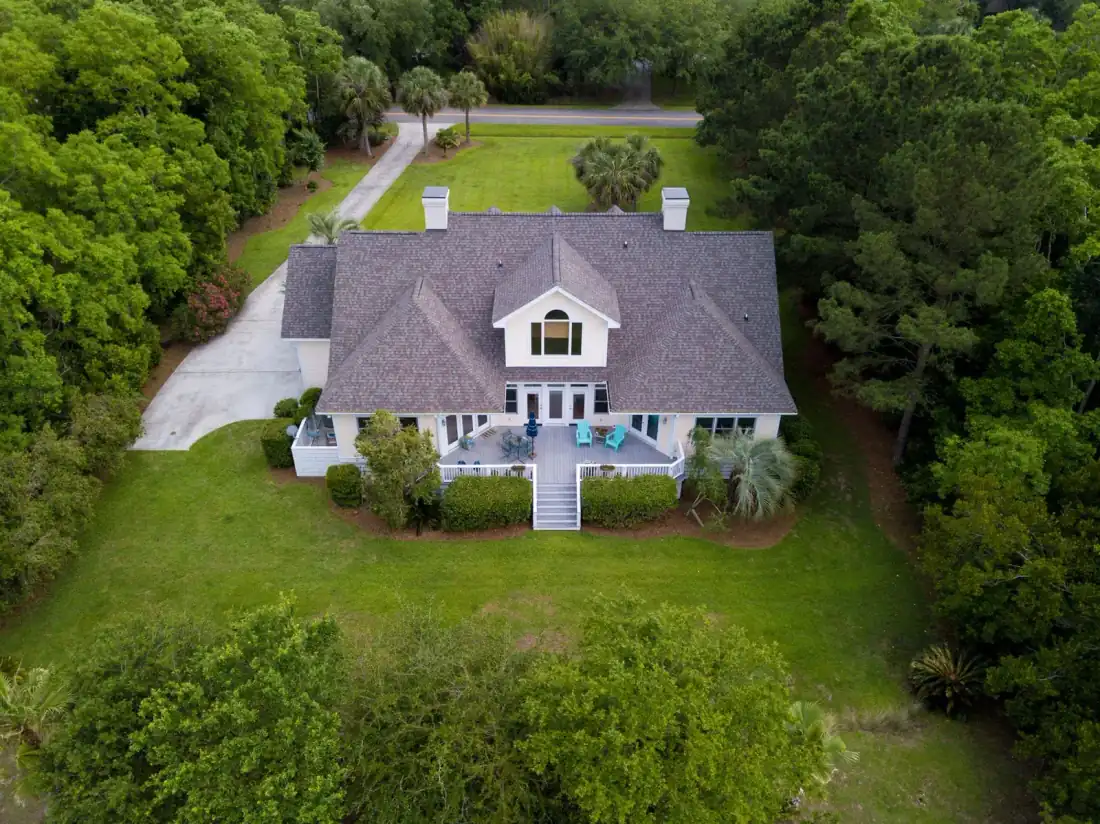
Brooksville Lot Buying Guide: Soil, Wells and Septic
You can change the floor plan, the finishes, even the builder. You cannot change the dirt. In Hernando County the lot decides more of your budget than any selection you will ever make in a showroom.
Read Article
Bathroom Remodel Cost in Brooksville FL 2026: Why the Drain Decides Your Budget
A Brooksville bathroom remodel runs roughly $13,500 to $35,000 in 2026, and the single line item that decides where you land is whether the drains move. Here is the real math, the slab problem, the permit picture, and the surprises older homes hide.
Read Article
Kitchen Remodeling in Brooksville FL: What to Expect in 2026
Kitchen remodels in Brooksville run $25,000 to $95,000 in 2026. Here is exactly where the money goes, how long it takes, what Hernando County permits require, and how to avoid the surprises that blow budgets.
Read ArticleReady to Build?
Get your free evaluation today.
No-pressure consultation. We serve Hernando, Pasco, and Citrus counties. Call us now or request a visit online.