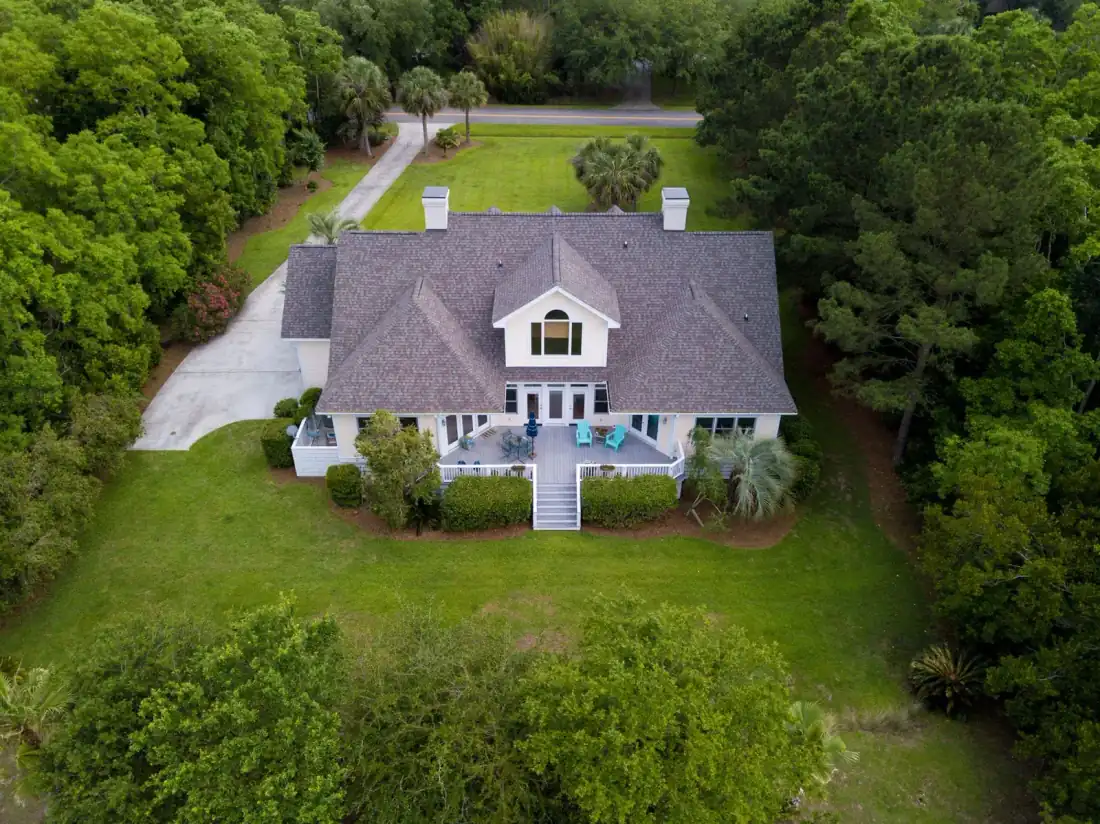
Protech Construction Services LLC (license CBC1268979) builds accessory dwelling units across Hernando, Pasco, and Citrus counties, and the ADU is one of the fastest-growing requests we field. The appeal is simple: a backyard unit that houses a parent, an adult child, or a paying tenant, on land you already own. The 2026 reality is that a well-built Florida ADU runs $200 to $350 per square foot, and a compact detached unit lands in the $95,000 to $170,000 range all-in. This guide breaks down every cost, the county permit and impact-fee picture, the rental math, and the surprises that catch first-time ADU owners.
What an ADU Actually Costs to Build in Florida in 2026
An accessory dwelling unit is a second, smaller, self-contained home on a single-family lot, with its own kitchen, bathroom, and entrance. In 2026 Florida, detached new construction runs $200 to $350 per square foot, and where your project lands inside that band depends mostly on region and finish.
- Central Florida standard: $200 to $260 per SF for Hernando, Pasco, Citrus, and the greater Tampa and Orlando inland market with standard finishes.
- South Florida and coastal HVHZ: $260 to $350 per SF, driven by High Velocity Hurricane Zone impact requirements and higher labor.
- Garage conversion: lower per-project cost because the slab, walls, and roof already exist, though bringing it to livable code is not as cheap as it sounds.
Translated to real projects, a compact 400 to 600 square foot detached ADU generally runs $95,000 to $170,000 all-in, and a full 750 to 1,000 square foot unit climbs from there. Nationally, ADU builds span roughly $80,000 to $320,000 depending on size, so a Hernando backyard unit sits in the lower-to-middle band of that range. The single biggest cost lever is the kitchen and bathroom: a second home means a second set of plumbing, electrical, and appliances packed into a small footprint, which is why cost per square foot on an ADU runs higher than on the main house.
The Rental Math: Why Hernando Owners Build ADUs
The reason ADUs pencil out is income. A compact detached ADU in the Hernando market can be built in the $95,000 to $130,000 range, and depending on size, condition, and location it often rents for roughly $1,200 to $1,800 a month. Confirm current rents for your specific neighborhood before you bank on a number, because location and unit size move it significantly.
- Gross rental income: at $1,500 a month, an ADU brings in $18,000 a year before expenses.
- Simple payback: on a $115,000 build renting at $1,500, gross payback lands around 6 to 8 years before financing costs, faster if you self-manage.
- Resale value: a legal, permitted ADU adds appraisable square footage and a documented income stream, which appeals to buyers in a way an unpermitted shed never will.
- Flexibility: the same unit that rents today can house an aging parent tomorrow, which is why many owners frame the ADU as a multigenerational asset, not just a rental.
The math only works when the unit is permitted and built to code. An unpermitted conversion cannot be legally rented, will not appraise, and becomes a liability the moment you sell or file an insurance claim. That is the entire case for building it right.
Detached, Attached, or Garage Conversion
Florida ADUs come in three forms, and the type you choose drives both cost and permitting complexity.
- Detached ADU: a standalone structure in the backyard. Highest cost because it needs its own foundation, roof, and utility runs, but the most private and the strongest resale story. Best on lots with room and clear setback compliance.
- Attached ADU: an addition connected to the main house with a separate entrance. Shares one wall and sometimes utilities, which trims cost, but ties the build into the existing structure and roofline. Our Brooksville home additions guide covers the structural side of tying new space into an existing home.
- Garage conversion: the cheapest entry point because slab, walls, and roof exist. The catch is code: a livable unit needs egress windows, insulation, a bathroom, a kitchen, HVAC, and often a new electrical subpanel, and you lose covered parking, which some Hernando subdivisions require you to replace.
For buyers weighing an ADU against simply enlarging the main house, the cost to build a custom home in Hernando County guide runs the per-square-foot comparison that helps you decide which path fits your lot and budget.
Where the Money Goes: Full Line-Item Breakdown
An ADU budget breaks into the same categories as any small home, but the small footprint concentrates the expensive parts. Here is where the dollars actually land on a typical detached unit.
- Design and engineering: $5,000 to $12,000 for plans, structural engineering, and site drawings.
- Permits: $3,000 to $8,000 depending on project valuation and county.
- Impact fees: $8,000 to $25,000 in Florida, because an ADU is treated as a new dwelling unit for school, road, and utility impact purposes in most jurisdictions.
- Site prep: $5,000 to $15,000 for clearing, grading, and access.
- Foundation and slab: a fresh monolithic slab for the detached footprint.
- Framing, roof, and dry-in: the shell, weather-tight.
- Kitchen and bathroom: the single most expensive zone per square foot, with a second full plumbing set.
- Electrical and HVAC: often a new subpanel and a dedicated mini-split or small central system.
- Utility connections: tying into water and sewer, or extending well and septic capacity.
- Finishes: flooring, paint, trim, fixtures, and appliances.
Notice how much of the budget lands before a single wall goes up. Soft costs, permits, impact fees, and site work can eat 25 to 35 percent of an ADU budget, which is why the per-square-foot number on a small unit looks high next to a large custom home.
Permits, Impact Fees, and Setbacks in Hernando, Pasco, and Citrus
ADU rules in Florida are set at the county and city level, and they are the part of the project you cannot negotiate. Florida has moved to make backyard units easier as a housing-supply tool, but the specifics still run through your local building department, and the three counties we build in each handle it a little differently.
- Hernando County: the Building Department at 789 Providence Blvd in Brooksville enforces the Florida Building Code 8th Edition and runs permitting through the Tyler Solutions portal launched in March 2026. Expect setback, lot-size, and owner-occupancy conditions on ADUs, plus impact fees treating the unit as a new dwelling.
- Pasco County: we build ADUs across the Pasco cities of Hudson, Dade City, and New Port Richey, each with its own zoning overlay and setback rules. Pasco is the fastest-growing county in our footprint, and its permitting reflects that volume.
- Citrus County: coastal and rural lots in Crystal River, Homosassa, and Lecanto often depend on well and septic capacity, which shapes whether an ADU is feasible at all on a given parcel.
Two conditions catch owners off guard everywhere: owner-occupancy requirements, meaning you must live on the property, and parking replacement rules that force you to add a space when you convert a garage. Confirm both with the county before you design. Permit review across Central Florida runs 4 to 10 weeks for a unit like this.
Hurricane Code and Utilities
An ADU is a real dwelling, so it meets the same wind and flood code as a new house. Hernando, Pasco, and Citrus sit outside the High Velocity Hurricane Zone, so the strictest Miami-Dade standards do not apply, but the Florida Building Code still requires impact-rated windows or approved shutters on every opening.
- Impact windows: higher upfront, lower insurance, no storm prep, and the default we recommend on nearly every build.
- Utility tie-in: on county water and sewer, the ADU taps the existing service, sometimes with a capacity upgrade. On well and septic, the existing system has to handle the added load, and a second drain field or a larger tank can add $8,000 to $25,000.
- Electrical: most detached ADUs need a dedicated subpanel fed from the main service, sized for a full kitchen, HVAC, and laundry.
- Flood zone: if the lot sits in a mapped flood zone, base flood elevation rules can force a raised slab or piers, which changes the whole cost picture.
The utility question is the one that quietly decides feasibility. A lot with water and sewer at the street is a straightforward ADU. A rural parcel on well and septic can still work, but the system upgrades belong in the budget from day one.
Sample Budget: A Real Detached ADU in Brooksville
Here is the full math on a 550 square foot one-bedroom detached ADU on a Brooksville lot with county water available, built in 2026 at roughly $235 per square foot on the vertical.
- Architectural plans and engineering: $6,000 to $10,000
- Survey and site drawings: $1,500 to $3,000
- Hernando County permit fees: $3,000 to $6,000
- Impact fees (school, transportation, utilities): $10,000 to $18,000
- Site prep and access: $6,000 to $12,000
- Vertical construction at $235 per SF: approximately $129,000
- Utility connections and electrical subpanel: $6,000 to $14,000
- Contingency (10 percent): approximately $13,000
All-in, this example lands between $150,000 and $185,000 on county utilities. A smaller 400 square foot studio drops toward the $95,000 to $130,000 range, while a well and septic upgrade on a rural lot pushes the top number higher. These are realistic middle-of-the-road figures, not marketing numbers, and your actual price depends on your lot and finishes.
Financing an ADU
Most Florida ADU owners finance the build one of three ways, and the right one depends on how much equity you hold and whether you want a single loan.
- Home equity line or loan (HELOC): the most common path for owners with equity in the main house. You draw as the project progresses and pay interest only on what you use.
- Renovation or construction loan: a single loan sized to the finished value, useful when equity alone will not cover the build. Draws are tied to inspection milestones.
- Cash-out refinance: replacing the existing mortgage with a larger one when current rates make it sensible, freeing the ADU budget in one move.
Lenders increasingly recognize projected ADU rental income when underwriting, which can help you qualify. Protech does not arrange financing directly, but we coordinate draw schedules with your lender so funds release cleanly as the build hits each milestone.
Mistakes That Blow Up ADU Budgets
The ADU owners who get burned almost always trip on the same handful of issues. Here is what we watch for on Hernando, Pasco, and Citrus builds.
- Skipping the permit: an unpermitted unit cannot be legally rented, will not appraise, and can force a costly retroactive permit or demolition when you sell.
- Ignoring owner-occupancy and parking rules: designing a unit the county will not approve because you missed a setback, a lot-size minimum, or a replacement-parking requirement.
- Underestimating utilities: assuming the existing well and septic can carry a second household when a system upgrade is actually required.
- Impact fee shock: budgeting a few thousand for permits and getting hit with $10,000 or more in impact fees treating the ADU as a new dwelling.
- Flood zone surprises: discovering after design that base flood elevation rules require a raised slab.
- Cheap conversion that is not to code: a garage converted without egress, insulation, and HVAC that fails inspection and has to be redone.
Every one of these is avoidable with a proper site review and a builder who pulls ADU permits locally. The cheapest ADU is the one designed to pass the first time.
Why Protech for Your Florida ADU
Protech Construction Services LLC is a licensed Florida general contractor (CBC1268979) based in Brooksville, building across Hernando County, Pasco, and Citrus. We handle ADUs from design through certificate of occupancy, and we pull permits in these counties every month, so we know the setback, impact-fee, and utility questions before they become expensive surprises.
- One point of contact: your project manager owns the timeline and answers the phone.
- Written scope and line-item bid: every cost spelled out before you sign, with honest allowances.
- Licensed and insured: CBC1268979, verifiable at myfloridalicense.com in under 30 seconds.
- Local permit handling: we file, track, and meet the inspector so you do not deal with the county.
ADUs sit alongside our custom home building and home remodeling work, and many owners who start with an ADU question end up comparing it against a larger addition. If you want to see how our floor-plan lineup handles compact, efficient layouts, browse the full floor plan collection, where the Aspen, Designer Aspen, and Linleigh show how footprint and finish drive cost.
Your Next Step: A Real Number for Your Lot
Every figure in this guide is accurate for the 2026 Central Florida market, but none of them is your number. Your ADU cost depends on your lot, your utilities, your setbacks, and your finishes. The only way to get a real number is to sit down with a builder who pulls ADU permits in your county.
When you are ready, call us at (352) 710-5455 or reach us through our contact page. You can also visit the office at 9035 Jayson Dr, Brooksville, FL 34613, though it helps to call first so the right project manager is in. Bring your lot address and rough vision, and we bring the market data, code knowledge, and an honest read on whether an ADU pencils out on your property.
FAQ
Frequently Asked Questions
How much does it cost to build an ADU in Florida in 2026?
+
Can I legally rent out an ADU in Florida?
+
What are the impact fees for an ADU?
+
Is a garage conversion the cheapest ADU?
+
Do I need impact windows on an ADU in Hernando County?
+
Will an ADU work on a well and septic lot?
+
How long does it take to build an ADU in Central Florida?
+
Can Protech build my ADU outside Hernando County?
+
Keep Reading
More articles from the Protech Construction blog
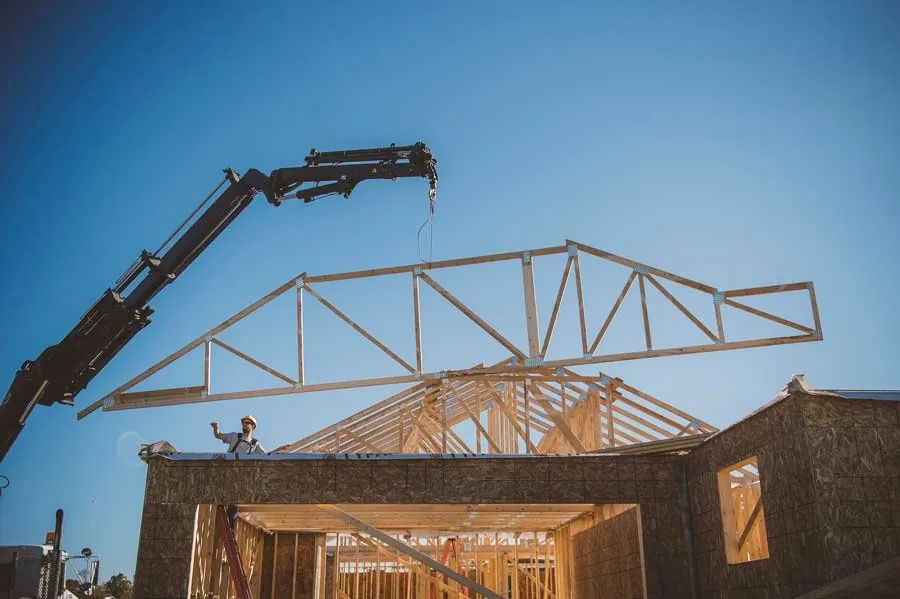
Converting a Garage in Florida: Permits, AC, Egress and Why a $20k Conversion Can Cost You Resale
A garage conversion looks like the cheapest square footage you can add to a Florida home. Here is what it really costs in 2026, what the code requires for the slab, AC and egress, and when a $20,000 conversion costs you more at resale than it adds.
Read Article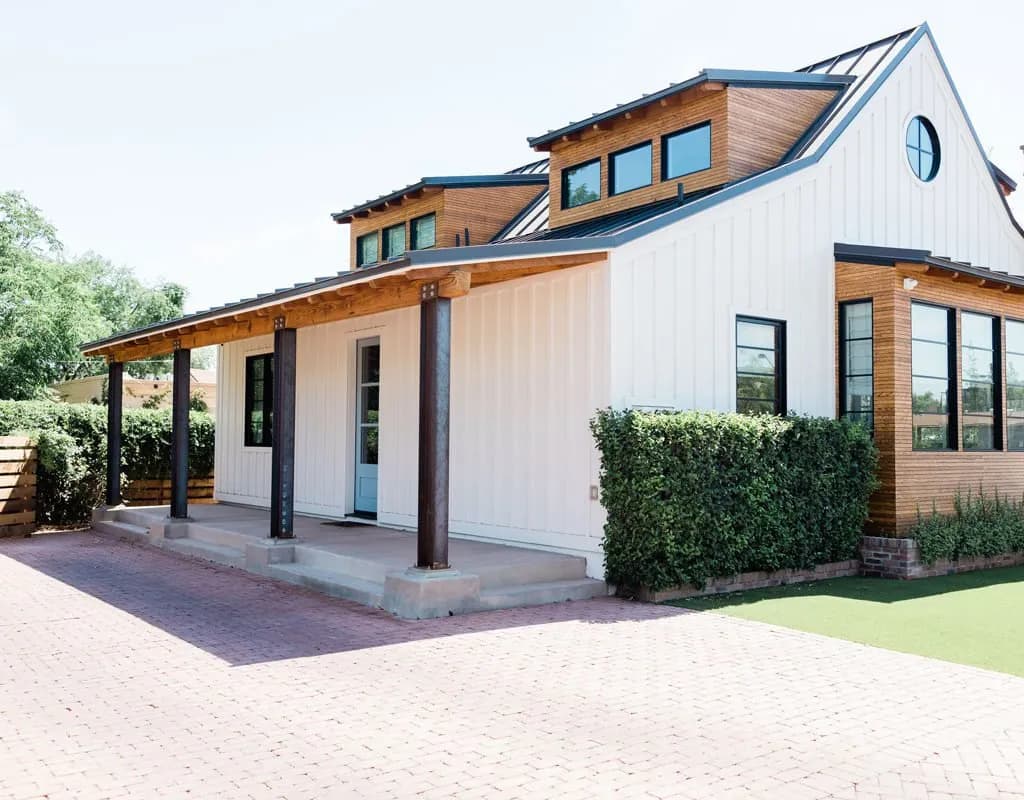
Screened Porch Additions in Florida: Real Costs for an Attached Screen Room, Not a Pool Cage
Three contractors can quote a screened porch $30,000 apart and all be honest, because they are pricing three different projects. Here is what a roofed screened porch addition really costs in Florida, where the roof tie-in decides the budget, and when a screen room is the better buy.
Read ArticleSunroom and Florida Room Cost in Florida: What the Code Category, Climate Control and Foundation Really Add
Two neighbors both build a sunroom. One spends $25,000, one spends $75,000, and both got a fair price. The difference is a code category almost nobody names during the sales call, and it decides the glass, the foundation, the HVAC and whether the room counts as square footage at all.
Read ArticleReady to Build?
Get your free evaluation today.
No-pressure consultation. We serve Hernando, Pasco, and Citrus counties. Call us now or request a visit online.