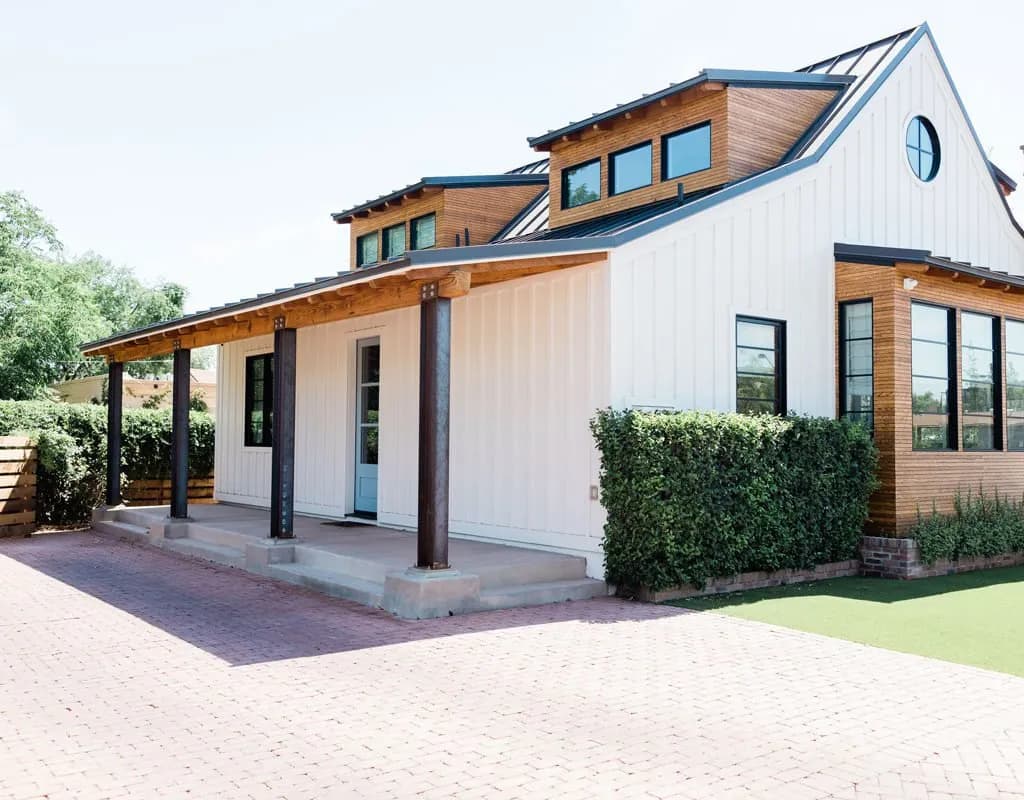
Hernando County homeowners are staring at a hard math problem in 2026. Mortgage rates sit above 6.5 percent, move-up homes cost 40 percent more than five years ago, and the family is growing. Adding onto the home you already own often beats the cost and disruption of relocating, but only when the numbers, the lot, and the zoning all line up. Protech Construction Services LLC (license CBC1268979) has built, remodeled, and expanded homes across Brooksville, Spring Hill, and greater Hernando County since 2008. This guide walks you through exactly what an addition costs here, what your lot will allow, and when moving is actually the smarter call.
Why Hernando Homeowners Are Adding Instead of Moving in 2026
Walk any neighborhood in Brooksville, Spring Hill, or Weeki Wachee and you will see the same story playing out on block after block. Families who bought in 2018 or 2019 at 3.5 percent mortgage rates are now locked into homes that no longer fit. The kids need separate bedrooms, a parent is moving in, or someone needs a home office that is not the dining room table. Moving sounds obvious until you run the numbers.
A typical Hernando homeowner sitting on a 3 percent mortgage who sells to buy a larger home at today's rates loses roughly 40 to 55 percent of their monthly housing budget to the rate difference alone, before factoring in realtor fees, closing costs, and the 15 to 25 percent price premium on larger homes. On a $350,000 existing home upgrading to a $475,000 larger home, the real cost of moving often exceeds $180,000 once you include commissions, stamps, moving costs, and the higher interest payments over 10 years.
Against that backdrop, a 400 square foot addition at $250 per square foot runs $100,000. The homeowner keeps their low rate, keeps their homestead cap on property taxes, keeps the neighborhood schools, and solves the actual problem which was space, not location. That is why our home addition division is running at capacity through 2026.
The catch is that additions are not a blanket solution. Some lots will not allow them. Some HOAs forbid them. Some existing homes have structural, electrical, or roof conditions that make adding uneconomic. The rest of this guide helps you figure out which camp you fall into before you spend money on plans.
The Real Cost Range for Additions in Brooksville
Statewide Florida addition costs in 2026 sit in three broad tiers, and Hernando County falls into a predictable middle band of that range. We are not in a High Velocity Hurricane Zone like Miami-Dade or Broward, which saves 15 to 25 percent on wind code costs, but we are not in a cheap rural market either because impact-rated windows, elevated foundation requirements, and current code compliance still apply.
Basic builder-grade additions in Florida run $160 to $220 per square foot. This is what you get when a homeowner picks contractor-grade cabinets, standard vinyl flooring, builder-grade windows, and a plain roof tie-in. It works, it passes inspection, and it looks fine for the first 5 years.
Mid-range additions that actually match the quality of an existing home run $220 to $350 per square foot. This is where most Hernando projects land, and for good reason. If your existing home has tile floors, solid wood cabinets, crown molding, and decent trim, building an addition with Home Depot cabinets and laminate floors creates a seam that kills resale value. The addition has to feel like it was always there.
Upscale additions with high-end finishes and complex roofline tie-ins run $300 to $450 per square foot. You see this on waterfront homes, on expanded master suites with spa baths, and on great rooms with cathedral ceilings that have to marry into an existing gabled roof. Most Hernando County additions realistically land in the $200 to $300 per square foot window for a quality build that matches the existing home.
Cost by Addition Type: Bedroom to ADU
Per-square-foot math is useful for rough budgeting, but most homeowners think in terms of rooms, not square feet. Here is what complete projects actually cost in the Hernando market in 2026, including permits, finishes, and a reasonable contingency.
- Bedroom addition (150 to 250 SF): $45,000 to $85,000 basic, or $75,000 to $120,000 if you add an en suite bath.
- Bathroom-only addition (50 to 80 SF): $35,000 to $65,000 depending on whether you tie into existing plumbing or run new lines.
- Sunroom or 3-season Florida room (typical 200 SF): $25,000 to $55,000, which works out to $150 to $350 per square foot because there is no permanent HVAC.
- 4-season climate-controlled sunroom (200 SF): $50,000 to $95,000 ($250 to $450 per square foot) because you now have a fully conditioned room with insulation, impact glass, and HVAC capacity.
- Master suite expansion (400 to 600 SF with bath and closet): $120,000 to $250,000 depending on finish level and whether you are tying into an existing roofline or creating a new one.
- Great room or family room expansion (300 to 500 SF): $60,000 to $150,000 with costs varying based on wall removal, ceiling height, and window packages.
- Kitchen expansion with wall removal and footprint bump: $75,000 to $180,000 combining addition work with kitchen remodeling scope. Our Brooksville kitchen remodeling guide breaks down the finish and layout tradeoffs that drive this number.
- In-law suite or attached ADU (500 to 800 SF with kitchenette): $150,000 to $300,000 because you are essentially building a small apartment with its own systems.
- Detached ADU (500 to 800 SF): $180,000 to $350,000 since detached structures need their own foundation, roof, and utility runs.
- Garage addition (2-car): $35,000 to $75,000 depending on whether it is attached or detached and whether it includes living space above.
- Screened lanai or outdoor living space: $15,000 to $45,000 for a covered, screened enclosure on an existing slab.
If your project is pushing beyond a 500 square foot addition, it is worth running the numbers against a full custom home build on the same lot or a nearby lot. At some point the addition stops being the cheaper path.
Where Your Addition Budget Actually Goes
Homeowners often ask why a 300 square foot bedroom addition costs $75,000 when you can buy a 300 square foot shed for $8,000. The answer is that a legal, permitted, insulated, electrified, roofed, and HVAC-connected room that ties into an existing home is nothing like a shed. Here is how the dollars actually break down on a typical Hernando County addition.
- Site prep and foundation: 8 to 12 percent of total budget, higher if the lot slopes or requires fill.
- Structural engineering and plans: $2,500 to $8,000 as a flat line item that does not scale much with project size.
- Framing and roof tie-in: 15 to 20 percent, with roof tie-in being the single most technical piece of the entire addition.
- Exterior finish match (stucco, siding, paint): 6 to 10 percent, and this is where cheap contractors save money by not really matching.
- HVAC tie-in or new mini-split: $3,500 to $12,000 depending on whether the existing system has capacity or you need a dedicated unit.
- Electrical panel upgrade: $2,000 to $6,000 and it is required more often than homeowners expect because older Hernando homes often sit at 100 or 150 amp panels that cannot absorb new load.
- Plumbing rough: 5 to 10 percent on non-bath additions, higher if you are adding a bathroom or kitchen.
- Windows and doors: 6 to 10 percent, and all new openings require impact-rated glazing even if the existing home does not have it.
- Drywall, insulation, and trim: 8 to 12 percent.
- Flooring, paint, and finishes: 10 to 15 percent, which is where finish tier makes the biggest visible difference.
- Permits and impact fees: $1,500 to $6,000 for a typical addition in Hernando County.
- Contingency: 10 to 15 percent is what any honest contractor will carry, because opening up a wall always reveals something.
When a bid comes in at $60,000 for work that should cost $90,000, that bid is missing line items. Usually it is the contingency, the panel upgrade, or the real impact window cost. The homeowner finds out during construction, and the "cheap" bid ends up costing more than the honest one.
Hernando County Zoning: What Your Lot Actually Allows
Before any discussion of design, finishes, or budget, every addition project starts with one question: will your lot legally accommodate the square footage you want to add? Hernando County zoning determines the answer, and the answer is not always yes.
Most residential lots in Hernando fall under zoning districts such as R-1A, R-2, or R-3, and each has different setback requirements from the property lines. A typical R-1A lot in Brooksville carries setbacks of approximately 25 feet front, 20 feet rear, and 7.5 feet on each side, though these numbers vary by subdivision and plat. You must verify the exact setbacks for your specific lot, not assume from a neighbor's situation.
The Hernando County Property Appraiser GIS map is the fastest way to check. Pull up your parcel, enable the Zoning Layer, and you will see your district code and the associated setback rules. Also check for easements, which frequently cut additional buildable area out of the back and sides of lots for drainage, utility, or access purposes. An easement is not a setback but it behaves like one because you cannot build permanent structures over it.
Lot Coverage and Buffer Rules
Beyond setbacks, Hernando zoning imposes lot coverage maximums that cap the total footprint of all structures on your lot as a percentage of total lot area. Typical maximums run 35 to 45 percent depending on zoning district. If your existing home plus driveway plus shed already fills 38 percent of the lot, your addition may be capped not by setbacks but by lot coverage rules. This catches a lot of homeowners by surprise.
Corner lots, waterfront lots, and lots within conservation buffers carry additional restrictions. If your Brooksville or Spring Hill lot borders a wetland, a conservation easement, or a county preserve, the buildable envelope may be significantly tighter than the basic zoning math suggests.
Permit and Impact Fee Reality for Hernando Additions
Every addition larger than a simple screen enclosure requires a permit from the Hernando County Building Department located at 789 Providence Blvd in Brooksville, phone (352) 754-4050. The permit process in 2026 runs through the Tyler Solutions portal that went live in March, replacing the older system that most local contractors had memorized.
Permit review for a typical residential addition takes 4 to 8 weeks from complete submittal to issued permit. The word "complete" matters. An application missing the structural engineering letter, missing the energy calculation, or missing the survey goes to the bottom of the queue and restarts the clock when resubmitted. Getting permits right the first time is worth the extra week of prep.
The Private Provider Program is available for homeowners and contractors who want expedited review. Under this program, a licensed private provider does the plan review and inspections in parallel with or instead of the county, which can cut total permit time roughly in half. The cost runs $2,500 to $6,000 on top of standard permit fees, so it pays off on larger additions where time means carrying costs.
Impact fees are the second permit-related cost and they catch homeowners off guard. If your addition includes a new bedroom, Hernando applies school impact fees that scale with the bedroom count. School impact fees for a single new bedroom currently run in the $2,500 to $4,500 range. Add two bedrooms in an expansion and you are looking at $5,000 to $9,000 in school fees alone, separate from the permit fees themselves.
Other impact fees may apply depending on utility district. If your addition adds a bathroom and you are on county water and sewer, capacity fees may trigger. If you are on a private well and septic, you avoid utility impact fees but you need to verify your septic drainfield can handle the additional fixture count.
The Special Problems Florida Additions Create
Northern contractors building additions in Ohio or Pennsylvania do not deal with the issues Florida builders deal with. Pretending Hernando additions are the same as midwestern additions is how projects end up with water intrusion two years later.
Roof Tie-In Complexity
The roofline where your addition meets the existing home is the single most technical piece of the project. Pitch has to match or transition cleanly. Material has to match closely enough that the addition does not look like an afterthought. Flashing at the tie-in has to handle Florida rainfall which means 50 inches per year concentrated in violent afternoon storms, not a gentle northeastern drizzle.
Cheap tie-ins fail in 3 to 5 years. You see water stains on the ceiling at the joint, or worse, you do not see them and the sheathing rots until a truss fails. A proper tie-in uses step flashing, a cricket if the geometry requires one, and a continuous self-adhering membrane under the shingles for 3 feet on either side of the seam.
HVAC Capacity
Most existing Hernando homes were sized for their original square footage with maybe 10 percent buffer. Adding 300 or 400 square feet typically exceeds the buffer, which means the existing AC runs constantly trying to cool the larger footprint, fails to keep up in July, and burns out in 2 to 4 years.
The fix is either a full AC replacement with a larger unit, which runs $7,000 to $12,000, or a dedicated mini-split for the addition at $3,500 to $6,500. For most additions under 500 square feet, the mini-split is the better economics because you get zoned climate control and you do not prematurely retire a working AC unit.
Impact Windows on New Openings
Any new window opening in an addition must meet current Florida wind code, which in Hernando County means impact-rated glazing or code-approved shuttering. Your existing 1985 home may have single pane windows and that is fine because they are grandfathered. Your new addition cannot have single pane windows. Budget $800 to $1,600 per impact window depending on size.
Hurricane Strap Retrofit
When the addition ties structurally into the existing home, inspectors often require verification that the tie-in point has proper hurricane straps and uplift connectors. Older homes often do not have adequate straps at the tie point, which means the addition project includes retrofit work to bring the existing structure up to current code at that specific location. This is a $500 to $2,500 line item that rarely appears in initial quotes from contractors who are hoping you do not ask about it.
The 50 Percent Rule
This is the one that sinks projects. If the total value of your addition exceeds 50 percent of the assessed value of your existing home, Hernando County can require the entire home to be brought up to current code, not just the addition. On an older home that means bringing the electrical, plumbing, insulation, windows, and roof up to 2026 code before the addition can receive final inspection.
This rule is why homeowners with small older homes considering large additions often end up better off with a full rebuild. A 400 square foot addition to a 900 square foot cottage valued at $180,000 is likely to trigger the 50 percent rule and quickly balloon into a full gut renovation.
Realistic Timeline From First Meeting to Final Inspection
Homeowners watching reality TV expect additions to finish in 6 weeks. In the real world, a 400 square foot addition in Hernando County runs 5 to 9 months from first meeting to final inspection when everything goes smoothly. Here is how that time actually breaks down.
- Design and plans: 4 to 8 weeks for architect or designer work, engineering calculations, and finalized construction documents.
- HOA review: 2 to 6 weeks if your subdivision requires architectural approval, which many Spring Hill and Brooksville subdivisions do.
- Permit review: 4 to 8 weeks for Hernando County Building Department review unless you use the Private Provider Program.
- Site prep and foundation: 2 to 4 weeks including excavation, forms, inspection, and pour cure time.
- Framing and dry-in: 3 to 6 weeks to get walls up, roof on, windows installed, and the structure weather-tight.
- Mechanical rough: 2 to 4 weeks for electrical, plumbing, and HVAC rough-in with inspections at each stage.
- Finish work: 4 to 8 weeks for drywall, paint, flooring, cabinets, fixtures, and trim.
- Final inspection and punch list: 2 to 3 weeks for county final, touch-ups, and close-out.
The design and permit phases can run partially in parallel in some cases, and the financially smart homeowner uses that time to finalize finish selections so nothing holds up the build phase. Still, planning for 6 to 7 months on a mid-sized addition is realistic. Planning for 3 months is setting yourself up to be disappointed.
ROI: Which Additions Pay Back at Resale and Which Do Not
Every addition is part lifestyle decision and part financial decision. The lifestyle side is about how your family actually lives. The financial side is about what the addition returns at resale. Here is what the 2025 Cost vs Value data from the South Atlantic region shows.
Sunrooms and Florida rooms return 50 to 60 percent at resale. That number is better than it sounds because Florida buyers genuinely value outdoor living space, and a well-executed 3-season or 4-season room is a selling feature, not a curiosity. Bedroom additions return 54 to 65 percent at midrange price points, and bathroom additions range from 54 percent on major expansions to 75 to 90 percent on smaller additions in the $10,000 to $18,000 range.
Master suite additions return 48 to 55 percent, which is the lowest of the bunch. This seems counterintuitive, but buyers generally are not willing to pay full price for a $150,000 spa suite that the homeowner built for themselves. If resale is your primary motivation, a second bathroom and an extra bedroom will outperform a luxury master suite every time.
Exterior projects consistently outperform interior projects on ROI. The nationwide leader is garage door replacement at 96 percent or higher. Deck additions (wood) return roughly 72 percent regionally. If you are purely optimizing for resale dollars returned, exterior projects win almost every time. But if you are optimizing for your actual quality of life, you probably do not care as much about ROI numbers.
The honest framing is this: additions that solve a real functional problem (not enough bedrooms, no second bathroom, no indoor-outdoor living) recover more value than additions that upgrade what you already have. A fourth bedroom added to a 3-bedroom home returns better than a master suite upgrade because 4 bedrooms is a search filter and "nicer master" is not.
When Adding Is the Right Move and When Moving Is
Not every homeowner should add. Sometimes the honest answer is that moving or remodeling is the better path. We tell people this regularly, even though it means we do not build their addition. Here is a realistic decision framework.
- Add when your lot has clear setback room: you have at least 15 feet of buildable depth on the rear or side where the addition would go, with no major easements.
- Add when you genuinely love the location: schools, neighbors, commute, and proximity to what matters all weigh in your favor, and you want to be here for another 10-plus years.
- Add when the existing home has good bones: the roof, electrical panel, plumbing, and foundation are in sound condition so you are not doubling down on a failing structure.
- Add when move costs exceed build premium: realtor commissions plus mortgage rate differential plus higher purchase price on a larger home clearly cost more than the addition would.
- Add when family needs dictate specific layout: an aging parent needs ground-floor privacy, teenagers need separation, or a home-based business needs dedicated space.
- Remodel instead when extra space is not the real problem: you have the square footage but the layout is wrong. Wall removal and interior reconfiguration through home remodeling is cheaper and faster than an addition.
- Remodel instead when your budget is under $50,000: meaningful additions rarely finish under $50,000 once permits, engineering, and finish work are included. Remodels can deliver real quality of life improvement in that range.
- Move instead when your lot is too small: setbacks, easements, or lot coverage caps leave no practical room to add.
- Move instead when HOA rules prohibit additions: some deed-restricted communities simply will not approve structural additions regardless of how reasonable your plans are.
- Move instead when utility capacity is maxed: well capacity, septic capacity, or electrical service capacity cannot economically be upgraded.
- Move instead when total disruption exceeds home value uplift: 7 months of construction plus $150,000 spent on a home worth $280,000 is a math problem worth rechecking.
- Move instead when you already plan to relocate in 5 years: additions rarely pay back in that window, and you will be selling the improvement for pennies on the dollar.
How to Vet a Contractor for Addition Work Specifically
Additions are not the same skill set as new home construction, and they are not the same as interior remodels. You want a contractor who has specifically done additions in your county, understands the local building department, and can handle the structural tie-in work cleanly. Our full breakdown of contractor vetting is in our guide on what to look for in a Brooksville general contractor, but additions have some specific additional checks.
Verify the contractor holds a certified or registered general contractor license, not just a residential contractor credential. Additions often involve structural work that a residential contractor license does not legally cover. Florida DBPR has a public lookup at myfloridalicense.com. Protech's license is CBC1268979, which you can verify directly.
Ask for three addition projects completed in the last 2 years with addresses you can drive by. Not remodels. Not new builds. Actual additions. Look at the roof tie-in from the street. If you can see the seam clearly from 30 feet away, the work was rushed. If you have to hunt for it, the work was done right.
Ask how they handle the 50 percent rule, impact fee calculations, and panel upgrade determinations. A contractor who looks confused or changes the subject is telling you they are going to learn on your project, which is an expensive way to learn. The right contractor will explain these issues clearly in the first meeting.
Verify insurance. Additions involve opening the existing home to weather, which creates real exposure if work stops unexpectedly. You want general liability coverage at $1 million or more and active workers comp, and you want certificates of insurance sent directly from the insurer to you, not photocopied from the contractor's file.
Why Protech Construction for Your Brooksville Addition
Protech Construction Services LLC has operated from 9035 Jayson Dr in Brooksville since 2008. License CBC1268979 is a Certified Building Contractor license, which covers the full scope of residential additions including structural work. Our service area covers Hernando, Pasco, and Citrus counties, and additions are a significant share of our work because Hernando homeowners are staying put and investing in the homes they already own.
We handle additions as full design-build projects in most cases. That means one team from the first measurement through final inspection, one contract, one accountability chain, and one line of communication. You do not have to hire an architect separately, chase engineers, or coordinate between designers and builders. When something comes up mid-project, and something always does, there is one number to call.
We work the Hernando County Building Department enough to know the reviewers by name. We know what they flag, what they wave through, and what triggers the 50 percent rule. We build impact-rated openings as standard, we spec proper roof tie-in detailing, and we carry contingency in our bids so we are not nickel-and-diming you when the wall opens and reveals a surprise.
Most of our work happens in Brooksville and Spring Hill, with regular projects across the full Hernando County footprint. If your addition is driven by a kitchen that no longer fits the family, our Brooksville kitchen remodeling guide helps you decide whether an addition-plus-kitchen build is the right scope. If your addition project is something we should not take because it is outside our licensed scope, too far from our base, or structurally questionable on the existing home, we will tell you. That is part of why our referral rate is what it is.
Your Next Step: Getting a Real Number for Your Addition
Generic price-per-square-foot calculators are a starting point, not an answer. The real number for your addition depends on your specific lot, your specific existing home, your specific zoning district, and your specific scope. You cannot get that number from a website or from a 10-minute phone call. You get it from a site walk.
Our process is direct. Call us at (352) 710-5455 or reach out through our contact page. We schedule a site walk at your home, typically within a week. We measure the proposed addition area, check your lot against county records, inspect the roof tie-in conditions, evaluate your electrical service, and look at HVAC capacity. The site walk takes about 90 minutes and there is no cost or obligation.
From that walk, we produce a feasibility letter within 7 business days. The letter tells you whether the addition is permittable on your lot, the realistic cost range for the scope you described, any code issues we spotted with the existing home, and the timeline you should plan around. If you decide to move forward, we produce a full design proposal and detailed construction contract. If the feasibility letter tells you the addition is not the right move, we tell you that too.
Whether you are weighing an addition against a new custom build, reviewing the cost of building custom in Hernando County, or looking at broader Spring Hill remodeling trends, we can help you think through the decision. Call Protech Construction at (352) 710-5455 when you are ready to get a real number.
FAQ
Frequently Asked Questions
Do I need a permit for a home addition in Hernando County?
+
How long does an addition take from start to finish?
+
Can I live in the house during construction?
+
Should I add a bedroom or a bathroom first?
+
Will an addition actually increase my home's value?
+
What's the difference between a 3-season and 4-season sunroom?
+
Can I finance an addition with a home equity loan?
+
Do I need to match my existing roof material exactly?
+
What are my options if my lot is too small for an addition?
+
Can Protech handle the full design-build or do I need an architect separately?
+
Keep Reading
More articles from the Protech Construction blog
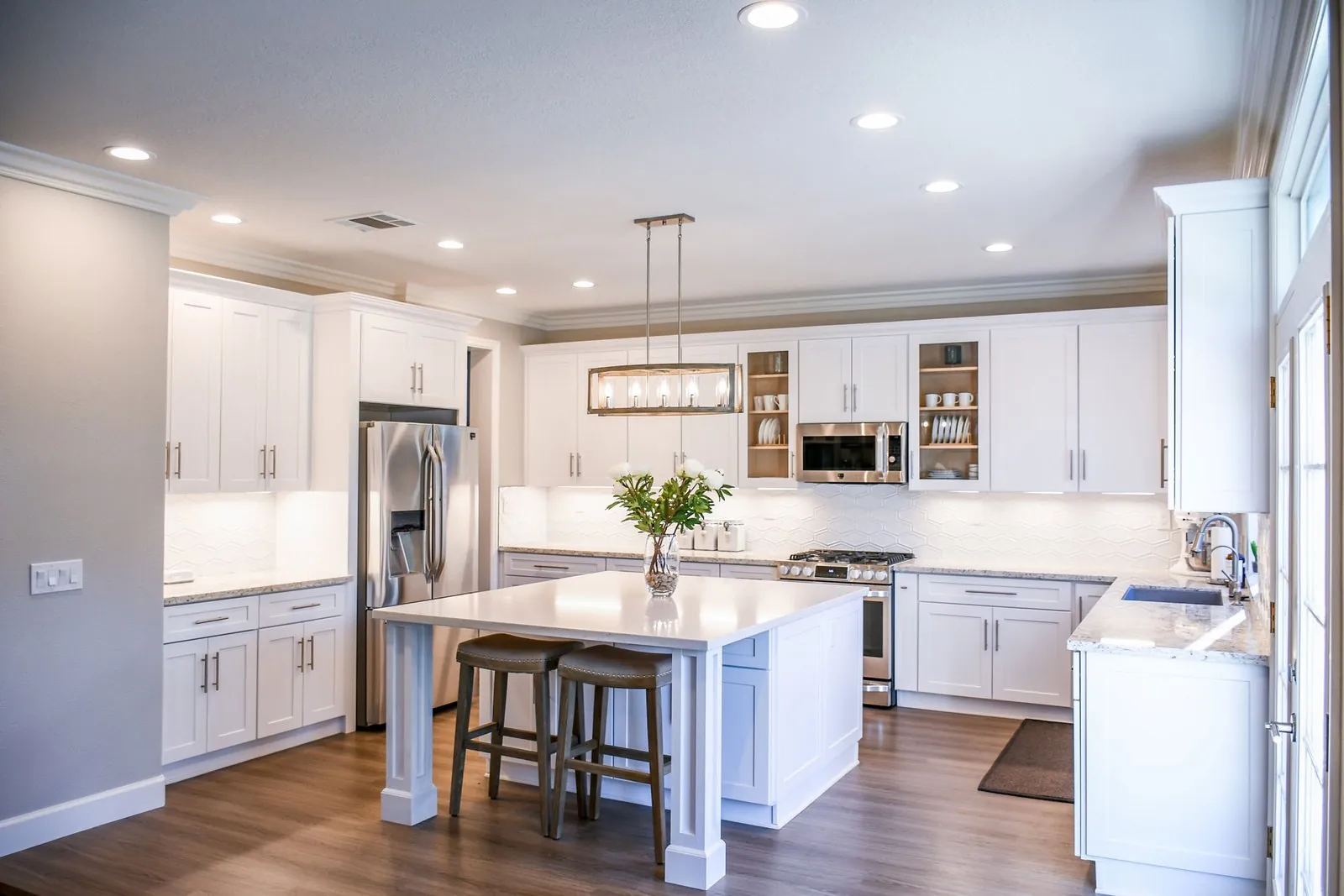
Kitchen Remodeling in Brooksville FL: What to Expect in 2026
Kitchen remodels in Brooksville run $25,000 to $95,000 in 2026. Here is exactly where the money goes, how long it takes, what Hernando County permits require, and how to avoid the surprises that blow budgets.
Read Article
How to Choose the Best General Contractor in Brooksville FL
Hiring the wrong general contractor in Brooksville can cost you your home, your savings, and years of stress. Here is exactly how to verify, vet, and protect yourself before you sign anything.
Read Article
Why Spring Hill Homeowners Are Investing in Remodeling in 2026
Spring Hill homeowners sitting on 3% mortgages are choosing to remodel instead of move in 2026. Here is the financial math, ROI data, and project costs that make staying the smart play.
Read ArticleReady to Build?
Get your free evaluation today.
No-pressure consultation. We serve Hernando, Pasco, and Citrus counties. Call us now or request a visit online.