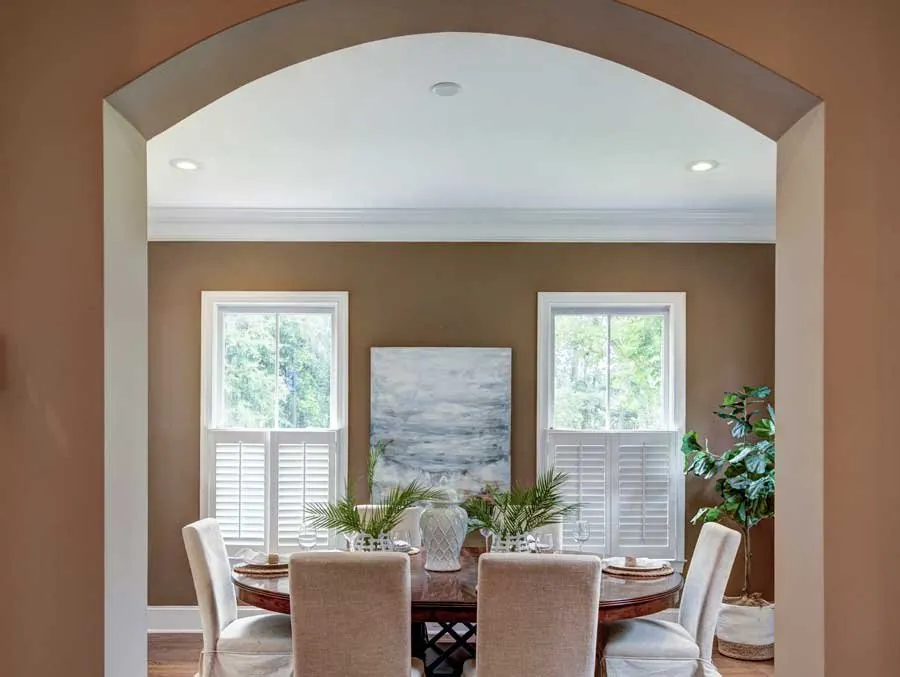
If you own a home in Spring Hill and bought or refinanced between 2018 and 2022, you are almost certainly holding one of the cheapest mortgages you will ever see in your lifetime. With current rates north of 6.5 percent, moving to a bigger or newer home means giving up that rate forever. Protech Construction Services LLC (license CBC1268979) has watched Spring Hill homeowners pivot hard toward remodeling over the past 18 months, and the financial case for staying put has never been stronger. This guide breaks down the numbers, the best projects for your money, and what to expect on a typical 1990s Spring Hill home.
Why 2026 Is the Best Year in a Decade to Remodel in Spring Hill (Not Move)
Spring Hill is the county's most populous unincorporated community, home to 118,814 residents across neighborhoods like Timber Pines, Wellington at Seven Hills, Silverthorn, Pristine Place, and Spring Hill Crossings. The median age here is 43.3, older than the US median of 38.9, and a significant share of our neighbors are retired or semi-retired homeowners who bought their houses a decade or more ago. That demographic pattern matters because it sets up the single most important financial reality in Spring Hill real estate right now: almost nobody wants to sell.
The reason is simple. Mortgage rates for conventional 30-year loans in April 2026 are running 6.5 to 7 percent. Most Spring Hill homeowners who refinanced during the 2020 to 2021 window locked in rates between 2.75 and 4 percent. Walking away from that rate to buy something newer or bigger is a permanent financial downgrade, and the math does not get friendlier with time.
What has changed in 2026 is that homeowners have stopped waiting for the housing market to reset. Rates are not dropping back to 3 percent. Inventory is not suddenly going to triple. The family that wants a bigger kitchen, a proper master suite, an updated bathroom, or a pool enclosure has realized the answer is already under their roof. They just need to invest in it.
That is why Protech's consultation calendar for Spring Hill home remodeling projects is running 6 to 10 weeks out. The shift from "maybe we move next year" to "let's fix what we have" is the single biggest trend shaping how Spring Hill homeowners spend in 2026.
The Math: What Moving Actually Costs When You Have a 3% Mortgage
Let's put real numbers on the stay-versus-move decision, because the gap between what people think moving costs and what it actually costs is staggering.
Picture a typical Spring Hill homeowner: 3BR/2BA built in 1998, 1,800 square feet, purchased in 2015 for $180,000 and refinanced in 2020 at 3.25 percent. Today that home is worth about $300,000, and the remaining mortgage balance is $150,000. Monthly principal and interest on that loan: $653.
Now that family wants a 4BR/3BA with a pool enclosure and a larger kitchen. The nearest match on the market costs $400,000. They put the proceeds from their current home into the new one, take out a $250,000 mortgage at 6.75 percent, and their new monthly P&I is $1,622. But the real comparison is trading their current total payment for one on a $400,000 home with a $250,000 mortgage at 6.75 percent: $1,622 versus $653. That is $969 more per month just in principal and interest.
Expand that to a family that actually needs a $400,000 mortgage (because they are adding down payment assistance from equity into a bigger purchase): the $400,000 at 6.75 percent produces a $2,594 monthly P&I. Versus their current $653, that is $1,941 more per month, $23,300 more per year, and roughly $699,000 more over the life of a 30-year loan.
And that is before counting:
- Realtor commissions: Typically 5 to 6 percent of the sale price, which on a $300,000 Spring Hill home means $15,000 to $18,000 gone at closing.
- Florida property tax reset: Save Our Homes caps your annual assessment increase at 3 percent as long as you keep your homestead. Buying a new home resets the taxable value to market, and your tax bill can easily double overnight.
- Moving costs: $3,000 to $8,000 for a local move with movers, storage, and transition expenses.
- New home prep and updates: The $400,000 house almost always needs $20,000 to $50,000 of work to fit the buyer's taste anyway.
- Closing costs on the new loan: 2 to 5 percent of the mortgage amount in lender fees, title insurance, and prepaid escrow.
Roll it all together and the true cost of "just moving" for a family upgrading from a $300,000 Spring Hill home to a $400,000 one is closer to $60,000 in transaction expenses plus an extra $20,000 per year in carrying costs. Against that backdrop, a $75,000 kitchen-plus-bath remodel or a $90,000 master suite addition starts to look like a bargain.
Home Equity at Record Highs: How Much You Actually Have to Work With
The good news for most Spring Hill homeowners is that the last five years have been kind to your balance sheet. Homes that traded for $180,000 to $220,000 in 2017 are now appraising at $280,000 to $340,000. That spread is not paper money. It is real, tappable equity that lenders are happy to turn into a remodeling budget.
Here is what that looks like on paper. A Spring Hill homeowner with a $300,000 current value and a $150,000 remaining mortgage has $150,000 in gross equity. Lenders typically let you borrow against 80 to 85 percent of the home's value in combined loans. That math: 85 percent of $300,000 is $255,000, minus the $150,000 mortgage, leaving up to $105,000 available to borrow through a home equity loan or HELOC without disturbing the existing low-rate first mortgage.
For a family that bought in 2012 or earlier, the numbers get even better. Homes purchased for $140,000 that are now worth $290,000 with a $60,000 balance left can tap $186,000 of borrowing capacity at the same 85 percent threshold.
That borrowing capacity is what quietly funds most of the Spring Hill remodels Protech handles. The average homeowner is not writing a $50,000 check from savings. They are drawing from equity they built up without even trying, paying interest on only what they use, and keeping the 3 percent first mortgage completely intact.
The 12 Most Common Spring Hill Remodels and What They Cost in 2026
These are the projects Protech sees most often on Spring Hill homes, with realistic price ranges for our market in 2026. Every project is different, but these ranges hold for about 80 percent of quotes we write.
- Kitchen remodel: $25,000 to $75,000 depending on whether you keep the existing layout or reconfigure walls and plumbing. See our kitchen remodeling page for scope details and our Brooksville kitchen guide for finish-level breakdowns.
- Bathroom remodel (minor): $10,000 to $30,000 for a guest or hall bath with new tile, vanity, toilet, fixtures, and paint on the existing footprint. Our bathroom remodeling service covers both minor and major scopes.
- Bathroom remodel (major): $25,000 to $55,000 for a primary bath with layout changes, freestanding tub, walk-in shower, double vanity, and premium tile.
- Master suite expansion: $35,000 to $85,000 when you rework interior walls to combine a bedroom and bath area into a true suite without expanding the footprint.
- Pool enclosure or cage: $8,000 to $25,000 for the aluminum screen structure over an existing pool, depending on span and height.
- Screened lanai: $15,000 to $45,000 for a new rear patio addition with concrete slab, screen, roof, and lighting.
- Garage conversion to living space: $30,000 to $75,000 to turn a 2-car garage into a bedroom, office, or in-law suite with proper insulation, HVAC extension, and flooring.
- Roof replacement: $12,000 to $28,000 for a typical 1,800 square foot Spring Hill home with architectural shingles and new underlayment.
- Impact window replacement (whole house): $15,000 to $40,000 to replace 12 to 20 windows with hurricane-rated impact units, depending on size and finish.
- HVAC replacement: $8,000 to $16,000 for a full system swap on a typical 3-ton Spring Hill home, including duct inspection.
- Full interior paint plus flooring refresh: $12,000 to $25,000 for a 1,800 square foot home with new LVP throughout the living areas and fresh paint on walls, trim, and ceilings.
- Bedroom or bathroom addition: $45,000 to $120,000 for adding new conditioned square footage with foundation, framing, roof tie-in, electrical, plumbing, and finishes. See our home additions service for scope planning.
For outdoor kitchens, the budget typically lands between $15,000 and $60,000 depending on whether you want a basic grill island or a full covered structure with appliances, sink, and refrigeration. Summer kitchens have become one of the fastest-growing project types in Spring Hill as homeowners invest in the parts of the house where they spend the most time.
ROI Reality: Which Projects Pay Back Best in the South Atlantic Region
Remodeling Magazine's annual Cost vs Value report tracks resale ROI by region, and the 2025 South Atlantic numbers (which cover Florida) tell a clear story: exterior improvements and minor interior projects crush major luxury renovations on a pure return basis.
Here are the payback percentages you should know:
- Entry door replacement (steel): 188 percent ROI. Installing a new steel front door is the single highest-returning project in the entire report.
- Manufactured stone veneer: Up to 153 percent ROI in top markets. Adding stone to a front elevation transforms curb appeal at modest cost.
- Minor kitchen remodel: 113 percent ROI. Replacing cabinets fronts, counters, flooring, and hardware without changing the layout is the best interior play.
- Garage door replacement: 96 percent ROI and the number one ranked project nationally for two years running.
- Minor bath remodel ($10,000 to $18,000): 75 to 90 percent ROI.
- Wood deck addition: 72 percent ROI regionally.
- Sunroom or Florida room: 50 to 60 percent ROI, though quality-of-life value often exceeds the resale return.
- Major bath remodel ($25,000 to $50,000): 50 to 60 percent ROI.
- Master suite addition: 48 to 55 percent ROI.
- Major upscale kitchen ($85,000 and up): 38 to 50 percent ROI.
The pattern is consistent: the more you spend, the lower your percentage ROI, but the higher the absolute dollar gain and personal enjoyment. If you are 3 years from listing, focus on exterior curb appeal and minor interior refreshes. If you are staying 10 years and want to love the house, spend on the projects that make daily life better, even if the percentage return is 50 percent. Enjoying your kitchen for a decade has a value the report does not capture.
Financing Your Remodel: HELOC vs Home Equity Loan vs Cash
Spring Hill homeowners have six realistic ways to fund a remodel. Here is how each one actually works and when it makes sense.
- Home equity loan: Fixed rate, lump sum at closing, fixed monthly payment. National average as of April 2026 is 7.91 percent, with borrowers who have strong credit landing closer to 6.50 to 6.75 percent. Best for single-project remodels with a known budget where you want payment certainty.
- HELOC (home equity line of credit): Variable rate, draw funds as needed during the 10-year draw period, pay interest only on the balance. National average 7.24 percent in April 2026. Best for phased projects where you are unsure of total timing, or for homeowners who want a financial cushion sitting available.
- Cash-out refinance: Almost never worth it in 2026. Refinancing means giving up your 3 percent first mortgage and replacing it with a new 6.5 to 7 percent loan on the full balance. The math rarely works unless you are already planning to refinance anyway.
- Personal loan: Unsecured, 10 to 15 percent interest, shorter 3 to 7 year terms. Makes sense for smaller projects under $20,000 where you do not want to attach a lien to the home, or for homeowners who have not yet built enough equity.
- 0 percent intro APR credit cards: Useful only for disciplined borrowers doing projects under $20,000 who can pay off the full balance before the 12 to 18 month intro period ends. After that, rates jump to 20 percent or more.
- Contractor financing: Rates vary widely from 5.99 percent promotional to 18 percent standard. Read the terms carefully. Some offers are genuinely competitive, others are not.
For most Spring Hill homeowners working with Protech, the right answer is either a home equity loan (if the project scope is locked) or a HELOC (if the project will unfold in phases). Both preserve the low first mortgage. Both offer interest rates well below personal loans and cards. And both can be closed in 3 to 5 weeks through any of the local Spring Hill credit unions or national lenders.
Where Spring Hill's 1985-2005 Housing Stock Needs Attention First
A huge share of Spring Hill homes were built between 1985 and 2005, with the biggest wave of construction happening in the mid-1990s. That timing matters because it means most of these homes are now 20 to 40 years old and hitting the window where systems and surfaces need meaningful investment.
Here is the typical order of priority Protech recommends based on thousands of site visits:
- Roof, if it is 15 or more years old. A failing roof compromises everything underneath it.
- HVAC, if original or over 12 years old. A new heat pump system pays for itself over 8 to 10 years through reduced power bills.
- Electrical panel, if it is a Federal Pacific, Zinsco, or any panel showing signs of wear. Insurance companies are increasingly flagging these.
- Plumbing, if the supply lines are polybutylene (common in Spring Hill homes built 1985 to 1995). Leaks become a question of when, not if.
- Windows, if original single-pane or early double-pane. Impact windows reduce insurance premiums and energy bills.
- Kitchen and baths, because these are the rooms that drive daily satisfaction and resale value.
- Flooring and paint, for the cosmetic refresh.
Most Spring Hill homeowners do not tackle all of these in one shot. They sequence the work over 3 to 7 years, often bundling the roof and electrical upgrades with impact windows to qualify for insurance discounts. A good general contractor helps you plan that sequence so today's project does not have to be ripped out for tomorrow's.
The Cost Surprises on Older Spring Hill Homes
Anyone who quotes you a remodel without an honest conversation about what might be hiding in the walls is setting you up for a budget shock. Here are the most common surprises Protech uncovers on Spring Hill homes, with real dollar ranges so you can build a contingency into your budget:
- Original electrical panels (Federal Pacific or Zinsco): These panels have a documented history of failing to trip during overload. Replacement runs $2,000 to $6,000 and is often required by permit inspection when you pull work. Insurance carriers may also require replacement.
- Polybutylene supply pipes: Installed in homes built roughly 1978 to 1995, polybutylene degrades from chlorinated water over time. Full replumb runs $4,000 to $10,000 depending on home size and access.
- Cast iron drain pipes: Many Spring Hill homes have cast iron waste lines that are approaching the 50-year mark. Replacement sections inside walls during a bathroom remodel can add $1,500 to $5,000.
- Asbestos popcorn ceilings: Common in homes built before 1985 and sometimes later. Professional abatement runs $1,500 to $5,000 and must be done before any ceiling work.
- Termite damage: Florida's climate makes this common, particularly in older wood-framed headers and sill plates. Discovery during demo can add $2,000 to $15,000 of framing repair.
- Undersized HVAC duct work: When expanding living space or converting a garage, the existing ducts often cannot handle the additional load. Adding returns and new supply runs costs $1,500 to $4,000.
- Roof truss hurricane strap retrofit: Older roofs may lack the hurricane tie-downs required by current code. Retrofitting during a reroof costs $800 to $2,500 and qualifies you for insurance discounts.
- Outdated plumbing vents: Older homes sometimes have vent stacks that do not meet current code spacing, requiring reroute work during a bathroom remodel, adding $500 to $2,000.
For budgeting purposes, Protech recommends Spring Hill homeowners add a 10 to 15 percent contingency on any remodel involving walls being opened, and 15 to 20 percent on additions or major layout changes. Finding out about a polybutylene line is far less stressful when you have already set aside the money to handle it.
Permits and the Hernando County Tyler Portal
Spring Hill is unincorporated, which means all building permits for remodels and additions go through the Hernando County Building Department, not a city office. The department operates out of 789 Providence Blvd in Brooksville and can be reached at (352) 754-4050.
Since March 2026, the county has been operating on the Tyler Solutions permitting portal, which replaced the previous system. The transition has been largely smooth, though plan review timing has stabilized at the following approximate windows:
- Straightforward remodel permits (no structural or layout change): 2 to 6 weeks from submission to issuance.
- Remodels with structural modifications: 4 to 8 weeks.
- Room additions and new conditioned square footage: 4 to 8 weeks, occasionally longer for complex sites.
- Pool enclosure and lanai permits: 3 to 5 weeks typically.
For homeowners who need to move faster, Hernando County offers the Private Provider Program. Under this program, a licensed third-party plan reviewer (retained by the contractor or homeowner) performs the plan review and inspections, bypassing county queues. Private provider review can cut 2 to 4 weeks off the timeline on complex projects. Protech uses private provider review when schedule pressure warrants the additional cost.
One planning note: no HOA exists on the majority of Spring Hill lots outside specific subdivisions like Timber Pines, Wellington at Seven Hills, and Silverthorn. If your lot is outside a deed-restricted community, you skip the HOA architectural review step entirely, which can save 2 to 6 weeks compared to homes in Brooksville deed-restricted neighborhoods.
Timeline Reality: What 2-Week, 2-Month, and 6-Month Projects Look Like
Remodel timelines in Spring Hill tend to fall into three realistic buckets. Setting expectations here saves a lot of frustration later.
- 2-week projects: Full interior repaint with minor trim and baseboard upgrades. HVAC system replacement. Impact window replacement on a whole house. Garage door replacement. These are straightforward, repeatable scopes with predictable material lead times.
- 4 to 8 week projects: Minor kitchen remodel with existing layout (cabinets, counters, appliances, flooring). Single bathroom remodel. Roof replacement with structural repairs. Pool enclosure install. Screened lanai on an existing slab. These involve modest permitting plus 2 to 4 trades coordinated in sequence.
- 2 to 4 month projects: Major kitchen remodel with layout changes. Primary bathroom remodel with plumbing relocation. Master suite reconfiguration within existing footprint. Garage conversion to living space. Full reroof plus impact windows plus exterior work bundled together.
- 4 to 6 month projects: Room additions (bedroom, bath, or family room). Major rear addition with kitchen extension. Second story additions. Whole-house renovations that touch electrical, plumbing, HVAC, and finishes. These involve full plan review, structural engineering, and multiple inspection cycles.
- 6 to 12 month projects: Substantial additions combined with major interior remodels, or additions to historic or complicated sites. Rare, but they happen.
The number one killer of Spring Hill remodel timelines is material lead times, not labor. Cabinets running 8 to 14 weeks, impact windows running 6 to 10 weeks, and specialty tile running 4 to 8 weeks are normal in 2026. Protech orders materials as soon as selections are approved, not when the old kitchen is demolished, to keep projects moving.
How to Vet a Contractor for Spring Hill Work
Florida's contractor licensing system is strict on paper but loosely enforced in practice, which means the burden falls on you to check credentials before signing anything. A few non-negotiables for any Spring Hill remodel:
- Verify the state license number on the Florida DBPR website (myfloridalicense.com). For general contracting, the license number should start with CBC or CGC. Protech's number is CBC1268979.
- Ask for current general liability and workers' compensation certificates listing you as an additional insured party for the project duration. If workers get hurt on an uninsured contractor's job, you can be liable.
- Confirm the contractor is pulling the permit in their own name, not asking you to pull an owner-builder permit. Owner-builder permits shift liability and warranty responsibility to you.
- Request references from at least three Spring Hill or Hernando County projects completed in the last 24 months, and actually call them.
- Read the contract carefully for payment schedule, change order process, warranty terms, and lien release requirements on subcontractors.
- Avoid paying more than 10 percent of the total upfront. Florida law allows up to 10 percent or $1,000 as initial deposit on a residential project, whichever is less. Any contractor demanding 25 to 50 percent upfront is a red flag.
Our Brooksville contractor selection guide covers the full vetting process in detail. If you are considering a new build rather than a remodel, our custom home cost guide walks through ground-up pricing for Hernando County.
Why Protech Construction Knows Spring Hill
Protech Construction Services LLC is headquartered at 9035 Jayson Dr in Brooksville, roughly 8 miles north of central Spring Hill. That physical proximity is not marketing copy. It means our crews drive the same roads, pull permits at the same county office, and source materials from the same local suppliers our neighbors use. We serve Hernando, Pasco, and Hernando County as our home market, with Spring Hill making up a substantial share of our residential work.
A few things we bring to Spring Hill projects specifically:
We know the Tyler portal workflow. We submitted our first permits through it in March 2026 when the county transitioned, and we have iterated on our submittal package to match what county reviewers want to see. That knowledge saves 1 to 3 weeks on typical projects.
We understand Spring Hill's 1985 to 2005 housing stock. We have opened enough walls in Pristine Place, Spring Hill Crossings, and the subdivisions off Mariner, Deltona, and Linden to know where the polybutylene is, where the truss strapping was skipped, and where the original panels were installed. That translates to more accurate quotes and fewer surprises.
We stay in our lane. Protech is a licensed general contractor (CBC1268979), not a design-build architect, a flooring retailer, or a window replacement chain. When you hire us, you are hiring a GC to coordinate subs, manage the schedule, pull permits, and warranty the work. That clarity of role keeps projects moving and budgets intact.
We are local-owned and reachable. Call (352) 710-5455 during business hours and you are going to reach a person who knows Spring Hill, not a call center. That is a small thing until you need it, and then it is everything.
Your Next Step: Booking a Spring Hill Consultation
If you are within 3 to 12 months of starting a remodel or addition, the right next move is a free in-home consultation. Protech sends a senior project estimator to your Spring Hill home, walks the space, listens to what you want to accomplish, and leaves you with a realistic budget range and timeline. No pressure, no high-pressure sales script, no obligation. Roughly 40 percent of our consultations do not convert to projects in the first year, and that is fine with us.
You can book through our contact page or call (352) 710-5455 directly. Appointments are currently running 2 to 4 weeks out for Spring Hill addresses, with priority given to projects that need to be under way before hurricane season starts. If you also want to understand how additions specifically get scoped, our home additions guide for the Brooksville area covers the same process we use in Spring Hill.
The homeowners who are making the smartest financial moves in Hernando County in 2026 are the ones staying in place and reinvesting. Your 3 percent mortgage is a competitive advantage you are not going to see again. The question is what you build on top of it.
FAQ
Frequently Asked Questions
Is it cheaper to remodel my Spring Hill home or move in 2026?
+
How much equity do most Spring Hill homeowners have to work with?
+
What's the ROI on a Spring Hill kitchen remodel?
+
Should I use a HELOC or a home equity loan?
+
Can I stay in my house during the remodel?
+
Do I need a permit for remodeling in Spring Hill?
+
What's the biggest surprise on homes built in the 1990s?
+
How do I pick a Spring Hill contractor I can trust?
+
When is the best time of year to start a remodel in Hernando County?
+
Can Protech handle projects outside of Spring Hill?
+
Keep Reading
More articles from the Protech Construction blog
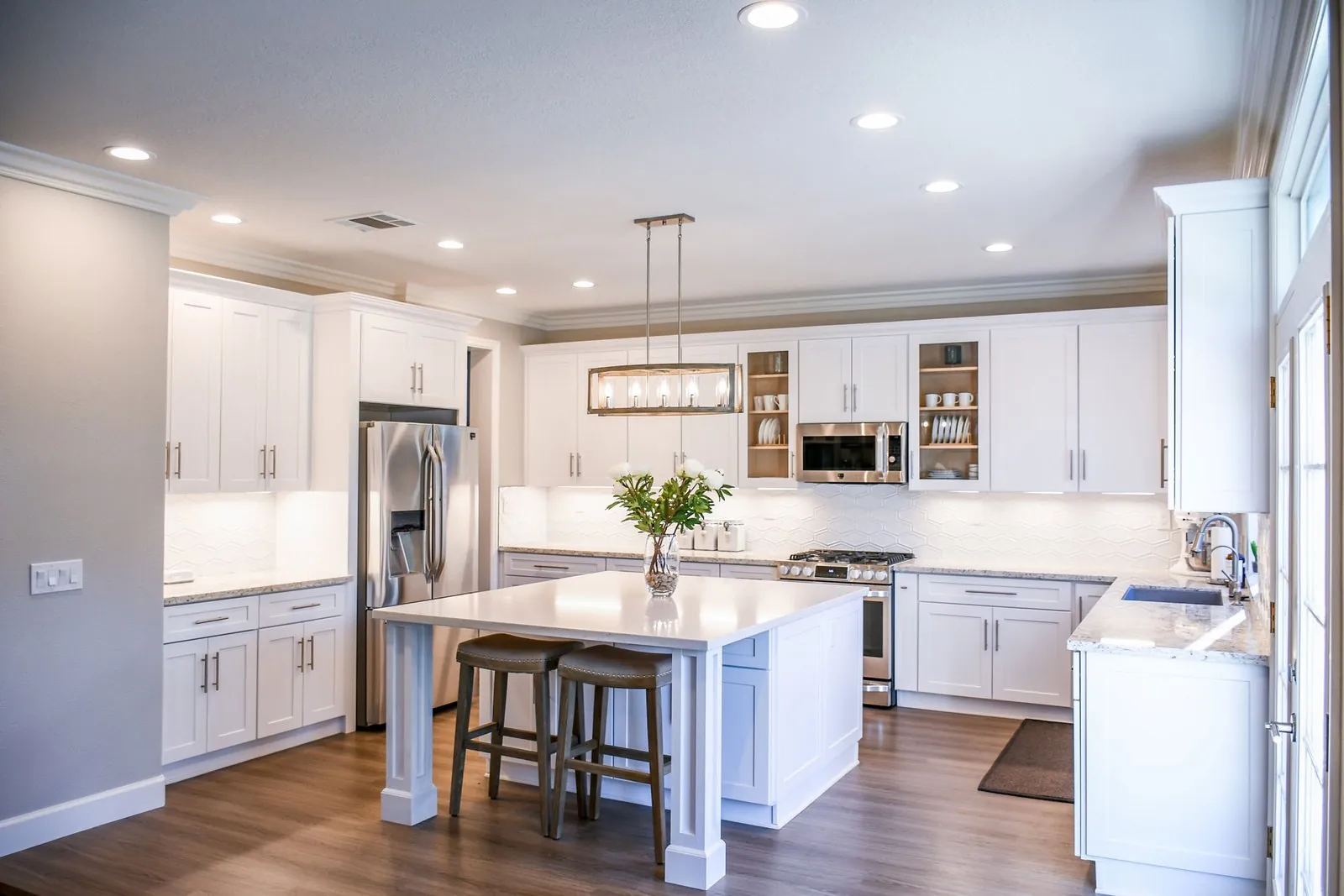
Kitchen Remodeling in Brooksville FL: What to Expect in 2026
Kitchen remodels in Brooksville run $25,000 to $95,000 in 2026. Here is exactly where the money goes, how long it takes, what Hernando County permits require, and how to avoid the surprises that blow budgets.
Read Article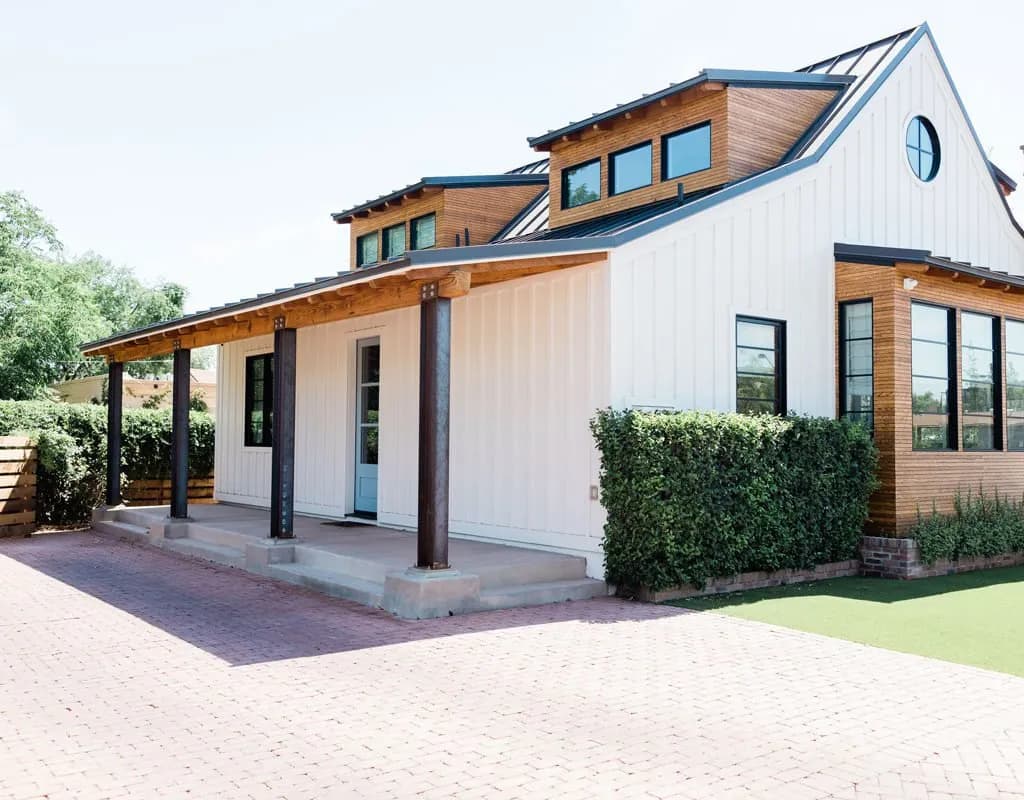
Home Additions in Brooksville FL: What Homeowners Should Know
Real 2026 costs, Hernando zoning rules, permit timelines, and ROI data for home additions in Brooksville. Protech Construction (CBC1268979) shows you when adding makes sense and when it does not.
Read ArticleReady to Build?
Get your free evaluation today.
No-pressure consultation. We serve Hernando, Pasco, and Citrus counties. Call us now or request a visit online.