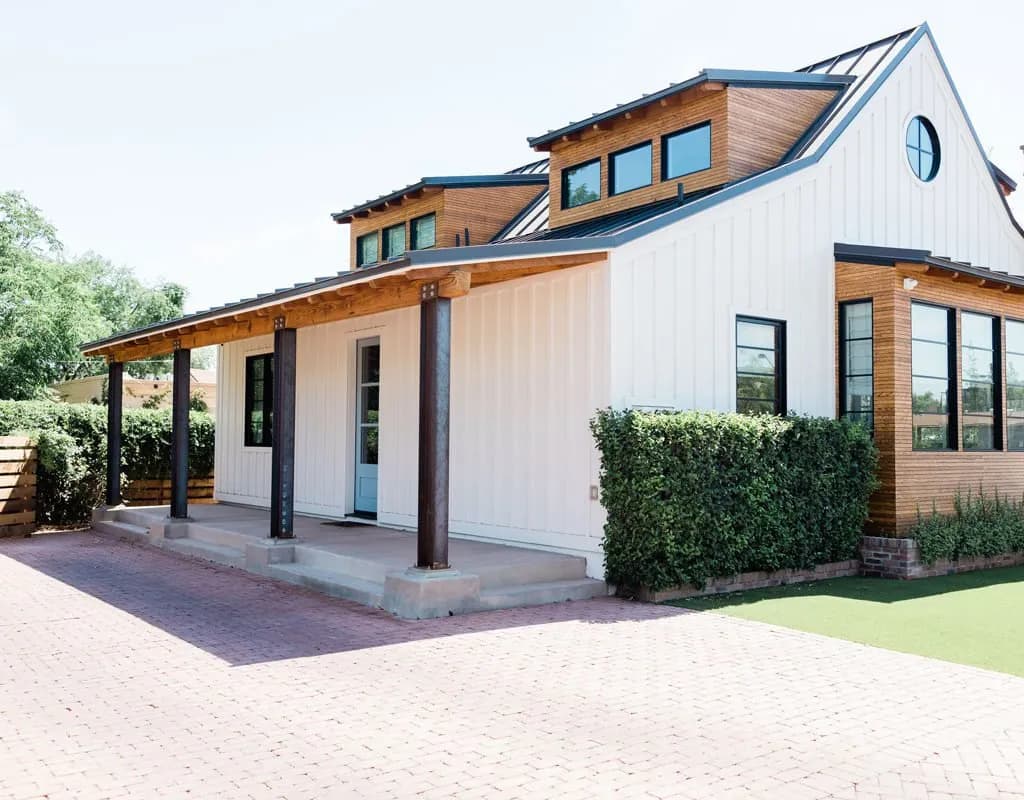
Protech Construction Services LLC (license CBC1268979) builds both attached in-law suites and detached accessory dwelling units across Hernando, Pasco, and Citrus counties, and the question we get asked most is which one is the better investment. The honest answer is that they solve different problems. An attached suite is usually cheaper per square foot and faster to permit. A detached unit almost always earns more in rent and carries better on an appraisal. This guide walks the real differences: how Florida law defines each, what the permit path looks like in 2026, where the cost lines actually cross, what septic capacity does to a rural lot, and how each one performs at resale.
The Legal Distinction That Decides Everything Else
Florida Statute 163.31771 defines an accessory dwelling unit as an ancillary or secondary living unit with a separate kitchen, bathroom, and sleeping area, existing either within the same structure as the primary home or on the same lot. Read that carefully, because it settles a debate homeowners have constantly: an attached in-law suite with its own kitchen is legally an ADU too. The statute does not care whether the walls touch.
What separates the two in practice is not the label. It is the kitchen and the entrance.
- Attached in-law suite, no full kitchen: Permitted as a home addition. It is extra bedrooms and a bath, and the county treats it as more house. Simplest path, lowest cost, no separate dwelling on the record.
- Attached in-law suite with full kitchen and private entrance: A true attached ADU. Triggers the same zoning review, utility, and occupancy questions as a detached unit, without the privacy benefits.
- Detached ADU: A standalone structure on the same lot, with its own kitchen, bath, sleeping area, and entrance. Highest permitting burden, highest cost, highest rent and resale value.
The mistake we see most often is a homeowner who wants the rental income of an ADU but builds an addition without a kitchen because it permits faster. That decision looks efficient during construction and costs money every month afterward, because a suite without a kitchen is not a rentable unit and does not appraise as one.
Where Florida Law Stands in 2026
There is no statewide mandate forcing Florida cities and counties to allow ADUs. That is the single most important legal fact for anyone planning one this year. Senate Bill 48, filed for the 2026 session, would have required every jurisdiction to permit at least one ADU on single-family lots, eliminated discretionary review and public hearings for them, barred extra parking requirements, protected the homestead exemption, and allowed rentals of 30 days or longer. It passed the Senate 38 to 0 and then stalled in the House on the final day of session over unrelated short-term rental provisions.
The practical result is that your county and city zoning code still governs. In Hernando, Pasco, and Citrus counties, that means lot size, setbacks, maximum lot coverage, and specific accessory-structure rules decide whether a detached unit is possible on your parcel at all, and how big it can be. Similar ADU legislation is widely expected to return in the 2027 session, but nobody should plan a build around a bill that has not passed.
Statute 163.31771 also carries a legislative finding worth knowing: the state encourages permitting ADUs in single-family areas specifically to increase the supply of affordable rentals. That finding is useful language when a local ordinance question is genuinely ambiguous, and it is one reason a properly permitted ADU is a defensible project even in a county without dedicated ADU rules.
The starting point is not a floor plan. It is your parcel. Pull your zoning district, your lot dimensions, your existing lot coverage, and any recorded easements, then confirm what the district allows as an accessory structure. Everything downstream depends on that answer, which is why we run it before we quote anything on our home additions and detached-build projects.
Cost: Where the Attached Suite Is Cheaper and Where It Stops Being Cheaper
Detached new construction in 2026 Florida runs roughly $200 to $350 per square foot, with Hernando, Pasco, Citrus, and the greater inland Tampa market typically in the $200 to $260 band for standard finishes. A detached ADU carries that full cost because it needs everything a small house needs: its own foundation, its own roof, its own envelope, its own service.
An attached suite starts lower, and the reason is structural rather than cosmetic. It shares a wall, it often ties into the existing roof line, and it can frequently extend existing plumbing and electrical runs rather than starting new ones. On a straightforward addition off an existing exterior wall, that shared infrastructure is a real discount.
- Attached advantages: One shared wall means less exterior envelope per square foot. Shorter plumbing and electrical runs. Often no new service entrance. Frequently no separate driveway or walkway.
- Attached penalties: Tying into an existing roof structure is skilled, disruptive work. Matching an existing roof line, stucco texture, and window package adds cost. The existing HVAC system usually cannot absorb the new load, which means either a second system or a full replacement.
- Detached advantages: Built as its own clean structure, with no demolition, no matching, and no disruption to the occupied home during construction.
- Detached penalties: Full foundation and roof, plus utility trenching, plus site work, plus a structure that must meet wind code on its own.
The cost lines cross more often than homeowners expect. An attached suite that requires cutting into a load-bearing wall, rerouting an existing bathroom stack, replacing the HVAC system, and matching a fifteen-year-old stucco finish can close most of the gap on a simple detached build. The way to find out is to price both from the same set of drawings rather than assuming attached wins on price. Our full breakdown of unit pricing is in the Florida ADU cost and permit guide.
Utilities and Metering: The Decision Most People Make Backward
Water, sewer, and power can be shared with the main house or run separately. Shared is cheaper to install. Separate is cleaner to rent. Choosing before you know how the unit will be used is how homeowners end up paying twice.
- Housing a family member: Shared service is almost always right. You are not billing them, and separate meters add cost with no return.
- Renting to a tenant: A separate electric meter removes the monthly argument about who ran the air conditioning. It costs more up front and it is significantly cheaper than retrofitting it later.
- Planning to sell within a few years: Separate service reads as a real second dwelling to buyers and appraisers, which supports value.
The item that surprises people is the HVAC load. A detached ADU gets a correctly sized system of its own by necessity. An attached suite gets tied into whatever is already there, and an existing system sized for the original square footage will not condition an addition properly in a Florida summer. Undersized cooling in an attached suite does not simply feel warm, it drives humidity problems in the whole house. That is a second system or a system replacement, and it belongs in the budget from day one.
Septic and Well: The Rural Constraint That Kills Projects
Large parts of Hernando, Pasco, and Citrus counties are on septic rather than central sewer, and this is where accessory dwelling plans most often stop. Septic systems are sized by the number of bedrooms and the estimated daily flow they serve. Adding bedrooms, whether attached or detached, can push the existing system past its permitted capacity.
When that happens, you are looking at either an expanded drainfield, a new system, or in some cases a lot that simply cannot support the added flow because of soil conditions, high seasonal water table, or setback distances from the well and property lines. None of that is discretionary and none of it can be designed around after the fact.
The sequence that saves money is straightforward. Before drawings, before budget, before you commit to attached or detached, pull the existing septic permit and confirm the permitted capacity and drainfield location. If the lot is on a private well, confirm the required separation distances between the well, the existing drainfield, and any proposed new structure, because those setbacks can eliminate half the buildable area on a rural parcel. We cover the broader version of this on rural lots in our guide to building a custom home in Hernando County.
Code Items That Separate the Two Builds
Beyond zoning, the two paths carry different technical requirements, and each one has line-item cost.
- Wind code: A detached structure stands on its own against wind load. It gets its own continuous load path from roof to foundation anchor, sized for your site wind speed and exposure category. An attached suite integrates into the existing load path, which is simpler in some cases and a structural retrofit in others.
- Fire separation: Attached units with separate occupancy can trigger separation requirements between the suite and the primary residence, which affects wall assemblies and door specifications.
- Egress: Every sleeping room needs compliant emergency escape. This is a routine detail in new detached construction and a common problem when converting an existing garage or enclosing an existing porch.
- Flood zone: If the parcel sits in a mapped flood zone, a new detached structure must meet elevation requirements. An addition to an existing structure in a flood zone raises substantial improvement questions that need to be answered before design, not during.
- Impact fees: A new detached dwelling unit commonly triggers impact fees that an addition without a separate dwelling does not. Rates and applicability vary by county and by utility district, so verify current figures with the county rather than relying on a number from last year.
The structural side is worth understanding before you sign anything, particularly for a detached unit that must stand alone in a hurricane. We walk that in detail in how Florida hurricane wind code sets your structural package.
The Rental Math
This is where detached earns its premium. A detached unit with its own entrance, its own address or unit designation, its own parking, and no shared walls rents as a small home. An attached suite with a shared entry or a connecting interior door rents as a room with a kitchenette, and the market prices it that way.
Three factors drive the rent gap. Privacy is the first: tenants pay meaningfully more for a unit where they do not hear or pass the primary household. Parking is the second, and it is often the deciding factor for a working tenant. Utility separation is the third, because a tenant paying a predictable metered bill behaves differently than one splitting an unmetered estimate with a landlord.
Term length matters too. Local ordinances commonly regulate rentals shorter than 30 days, and that is exactly the category SB 48 would have preserved local control over. Before you build a unit around a short-stay rental model, confirm your city and county rules in writing, because vacation-rental regulation in Florida changes faster than construction schedules.
Run the return honestly. Take annual gross rent, subtract vacancy, insurance delta, tax delta, maintenance, and any utility you cover, then divide by all-in construction cost including permits and impact fees. A detached unit that costs more to build and rents for substantially more usually beats an attached suite on that math. An attached suite housing a family member who is not paying rent has a different kind of return, and it is a legitimate one.
Resale and Appraisal: Why Detached Usually Wins
Appraisers value what is measurable and comparable. A detached dwelling unit with a kitchen, a bath, a sleeping area, and its own entrance is a recognizable feature with identifiable comparable sales in most Florida markets. It reads as a second dwelling, and it draws a wider buyer pool: multigenerational families, buyers who want rental income to offset a mortgage, and buyers who want a home office or studio fully separated from the house.
An attached in-law suite with a full kitchen appraises less predictably. In some submarkets it adds solid value. In others the appraiser folds it into total square footage and the kitchen adds little. A suite without a kitchen is simply additional bedrooms and bath, which does add value, just not as a separate unit.
There is a resale scenario where attached wins clearly. If the buyer pool in your neighborhood is dominated by families who want maximum connected living space and are indifferent to rental potential, a well-integrated suite that reads as part of the house can be the stronger asset. Homes on smaller lots where a detached structure would consume the entire usable yard fall into this category too, since backyard space itself is a value driver.
The design principle that protects value in both cases is reversibility. An attached suite that can serve as a rental now and convert to connected family space later, with a doorway that opens rather than a wall that has to come down, appeals to both buyer types. That is a floor plan decision, made once, at no extra cost. Our floor plan library is a useful starting point for seeing how that separation is drawn.
Insurance and Property Tax
Both paths change your carrier conversation, and neither should be discovered after construction. Adding conditioned square footage to the primary structure raises the replacement cost of the dwelling. A detached structure is typically covered under a different part of the policy, and if you rent it, the carrier needs to know, because a tenant-occupied unit is a different risk than a family-occupied one.
On property tax, added living space raises assessed value in either configuration. The homestead exemption question is more nuanced, and it depends on how the unit is used and how the property appraiser classifies it. SB 48 included explicit homestead protection language for ADU owners, which tells you the ambiguity is real enough that the legislature tried to resolve it. Since that bill did not pass, the right move is a direct conversation with your county property appraiser before you build, not after the assessment arrives.
One more item that gets missed: if you carry a mortgage, check whether your loan documents restrict adding a second dwelling unit or renting part of the property. It is rarely a problem and it is a five-minute check.
How to Choose: A Straight Decision Path
- Housing a parent or adult child, no rental plan, tight budget: Attached suite. Skip the second kitchen if the family situation does not require it, and permit it as an addition.
- Rental income is the primary goal: Detached, with separate metering, separate parking, and its own entrance. It rents higher, it stays rented longer, and it appraises as a unit.
- Rural parcel on septic: Confirm septic capacity first. The system, not your preference, may make the decision for you.
- Small lot with limited yard: Attached, because a detached structure that eats the usable backyard can subtract more value than it adds.
- Selling within five years: Detached, provided the lot supports it, because it is the version buyers and appraisers recognize as a second dwelling.
- Needs both, now and later: Design the attached suite for reversibility, or build detached and connect with covered walkway rather than conditioned space.
The comparison that matters is not attached versus detached in the abstract. It is what your specific parcel allows, what your septic or sewer connection supports, and what you intend to do with the space in ten years. Two of those three are answerable in a week, and all three should be answered before drawings.
Start With the Parcel, Not the Plan
Protech Construction Services LLC is a licensed Florida general contractor, license CBC1268979, based at 9035 Jayson Dr, Brooksville FL 34613, building custom homes, additions, and accessory dwelling units across Hernando, Pasco, and Citrus counties. If you are weighing an in-law suite against a detached unit, the fastest way to get a real answer is a site review: zoning district, lot coverage, setbacks, septic capacity, and existing utility service, evaluated together.
Call (352) 710-5455 or request a consultation, and we will tell you which version your lot supports before you spend anything on design. You can also review our custom home building and Brooksville service area pages to see how we work.
FAQ
Frequently Asked Questions
Is an in-law suite the same thing as an ADU in Florida?
+
Does Florida law require my county to allow an ADU?
+
Which one is cheaper to build, attached or detached?
+
Will my septic system support an accessory unit?
+
Which adds more value at resale?
+
Do I need separate electric and water meters?
+
Keep Reading
More articles from the Protech Construction blog
Impact Windows vs Hurricane Shutters in Florida: Cost, Insurance Credits and 10-Year Value
Impact windows and hurricane shutters can both meet Florida code and earn the same insurance credit. Here is how they compare on 2026 cost, daily convenience, storm performance and 10-year value for a new build or remodel.
Read Article
Concrete Block vs Wood Frame in Florida: Cost, Wind Rating and Insurance for Your Custom Build
Block or wood frame is the first structural decision on a Florida custom home. Here is how the two compare on cost, wind performance, insurance, termites, moisture and energy, and which one fits your build.
Read Article
VA & FHA One-Time-Close Construction Loans in Florida: $0-Down Builds and How Land Equity Counts
VA and FHA one-time close loans let you finance the lot, the build and the 30-year mortgage in one closing with zero or 3.5 percent down. Here is how each works in Florida in 2026, what they cost and how your land equity counts.
Read ArticleReady to Build?
Get your free evaluation today.
No-pressure consultation. We serve Hernando, Pasco, and Citrus counties. Call us now or request a visit online.