Blog
New Home Builder Warranty in Florida: What the 1-2-10 Warranty Actually Covers (and What It Doesn't)
Call (352) 710-5455Every new home in Florida now carries a one-year builder warranty by law under section 553.837, in effect since July 1, 2025. Most builders add a 1-2-10 structure: 1 year on workmanship, 2 years on plumbing, electrical and mechanical systems and 10 years on structure. Here is what each layer covers, what it excludes and the deadlines that matter.
The Warranty Question Most New Home Buyers Ask Too Late
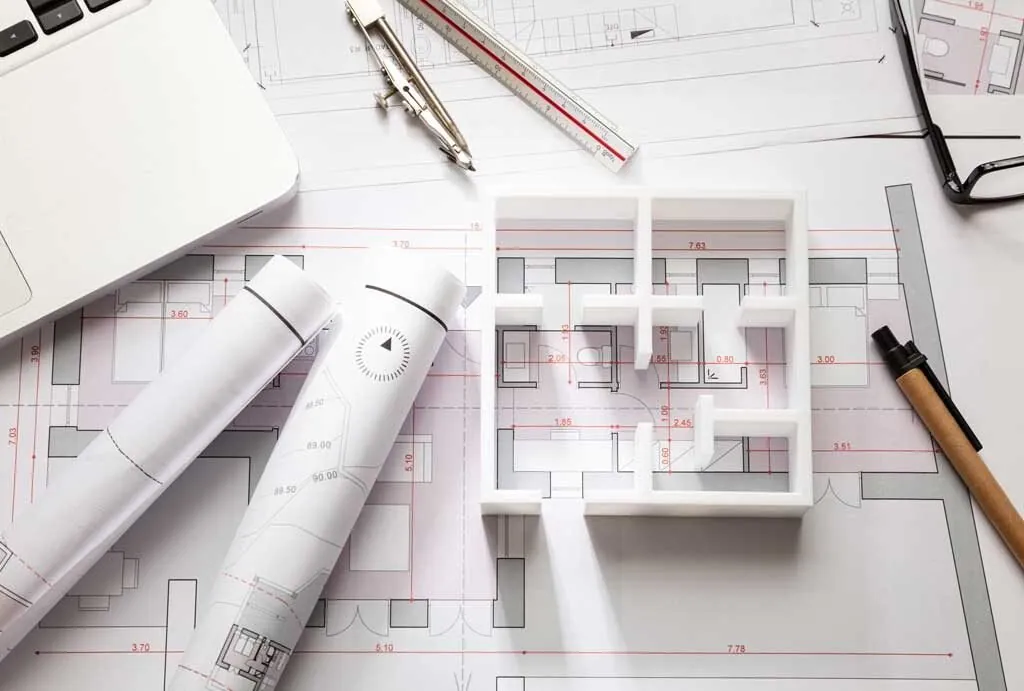
Buyers spend weeks choosing a floor plan, cabinets and tile, then sign a contract with a warranty section they skim in thirty seconds. The first time most people read it closely is the day a crack shows up in the garage slab or the air handler starts dripping into the ceiling. At that point the details matter: who covers it, for how long, what counts as a defect and what you have to do to make a claim.
Florida adds its own layer to this. Since July 1, 2025, state law requires a one-year warranty on every newly built home, on top of whatever the builder offers in writing. Many builders also offer the well-known 1-2-10 structure: one year on workmanship, two years on systems and ten years on structure. Then there are manufacturer warranties on the roof, windows and appliances, and Florida's construction defect statutes that sit behind all of it. This guide sorts those pieces out so you know exactly what you are getting before you sign.
Florida's Mandatory One-Year Builder Warranty (Section 553.837)
In 2024 the Legislature passed House Bill 623, which created section 553.837 of the Florida Statutes. It took effect July 1, 2025 and requires builders to warrant newly constructed homes for one year. According to summaries of the law from Florida construction law firms, including Shutts and Bowen and GrayRobinson, the key terms are:
- What homes it covers: newly constructed single-family homes, duplexes, triplexes and quadruplexes, along with new manufactured, modular and factory-built homes.
- What it covers: construction defects in equipment, material or workmanship supplied by the builder or its subcontractors and suppliers, where the defect results in a material violation of the Florida Building Code.
- When it runs: one year from the first conveyance of title to the original owner or the first occupancy, whichever comes first.
- Transfer: the warranty stays with the house. If the home is sold during that first year, the new owner keeps the remaining coverage.
- What it excludes: appliances and equipment covered by a manufacturer's warranty, normal wear and tear, normal settling, work the owner adds after completion, damage caused by the owner and damage from acts of God such as hurricanes and lightning.
- Substitute warranties: a builder can use its own written warranty instead if it meets or exceeds the statute, or buy coverage from a home warranty association regulated under chapter 634.
Two things are worth understanding about this law. First, the bar is a material violation of the Florida Building Code, not any imperfection. A paint drip or a slightly uneven grout line is a punch-list item, not a statutory warranty claim. Second, if a builder or warranty association fails to honor the warranty, the law gives the purchaser a right to sue. For most buyers, the practical value is simple: every new home in Florida now comes with at least one year of protection against code-level defects, even if the contract says nothing.
How the 1-2-10 Builder Warranty Works
The statutory warranty is the floor. Many builders, including us on our new homes, provide a longer written structure usually described as 1-2-10. The terms below follow how third-party warranty companies such as 2-10 Home Buyers Warranty describe their programs. The exact language always lives in the warranty booklet, so read yours.
- Year 1, workmanship and materials: covers defects in the finished work: drywall cracks beyond normal settling, doors and windows that stick or leak, flooring and tile defects, stucco and paint failures, cabinet and trim issues. This is the coverage that handles most of the calls in the first months.
- Years 1 and 2, systems: covers defects in the distribution systems, meaning the electrical wiring, plumbing supply and drain lines, and the ductwork and mechanical distribution. It is about the pipes, wires and ducts inside the walls, not the appliances attached to them.
- Years 1 through 10, structure: covers qualifying structural defects in the load-bearing parts of the house: footings and foundation, load-bearing walls, beams, floor framing and roof framing. The threshold is high. In one 2-10 program document, a structural defect is a failure that affects the load-bearing function to the point that the home becomes unsafe, unsanitary or otherwise unlivable. Another 2-10 page frames it as movement beyond allowable deflection and tilt tolerances.
The ten-year structural layer is usually insurance-backed through a third-party company rather than promised only by the builder. That matters, because the coverage survives even if the builder retires, sells the company or goes out of business. When you compare builders, ask who backs the structural warranty and get the name of the warranty company in writing.
What a New Home Warranty Usually Does Not Cover
Most frustration with new home warranties comes from expectations, not from the builder refusing to fix real defects. These items are commonly excluded, either by the statute or by typical warranty booklets:
- Normal settling and shrinkage: small hairline cracks in drywall, stucco and concrete slabs are normal as a new house dries and settles, especially in the first year. Warranties usually set tolerances, such as a crack width or a slab height difference, that separate normal behavior from a defect.
- Appliances and equipment: refrigerators, ranges, dishwashers, water heaters and air conditioning units are covered by their manufacturers, not the builder. The builder warranty covers how they were installed.
- Storm damage: a hurricane, tornado, flood or lightning strike is an insurance event, not a warranty event. This is why your homeowners policy needs to be in place on the day you close.
- Maintenance items: caulking, grout sealing, filter changes, gutter cleaning and landscape care are the owner's job. Damage caused by skipped maintenance is usually excluded.
- Owner changes: work you add after closing, such as a new fence, a screen enclosure from another contractor or a DIY electrical change, is not the builder's responsibility, and it can affect coverage on the systems it touches.
- Cosmetic items you accepted at walkthrough: scratches, chips and stains noted after you take possession are hard to prove as builder defects. That is why the final walkthrough matters.
Manufacturer Warranties: The Layer Inside the Layer
Many of the most expensive components in a new Florida home carry their own manufacturer warranties. These often run longer than the builder warranty but cover a narrower set of problems.
- Roof: shingle and metal roofing products carry manufacturer warranties that can run decades, but they generally cover product defects, not installation errors, and many require registration.
- Windows and doors: impact windows and doors carry manufacturer warranties on glass seals, frames and hardware. Keep the Florida Product Approval information with your records.
- HVAC: air conditioning manufacturers often offer longer parts coverage when the unit is registered within a set period after installation. Missing that window can shorten the coverage.
- Appliances, water heater and fixtures: each has its own term, usually one year or more on parts.
A good builder hands you a closing binder with every manufacturer warranty, model number and registration instruction in one place, and registers what it can on your behalf. Ask for that binder before closing, not after the first breakdown.
Florida Laws Behind the Warranty: Chapter 558 and the Statute of Repose
Beyond the written warranties, Florida law gives homeowners rights over construction defects, and it sets deadlines on those rights. Three pieces matter most.
- Chapter 558 notice: before suing a contractor over a construction defect, a homeowner must serve a written notice of claim at least 60 days before filing suit, or at least 120 days for an association representing more than 20 parcels. The contractor then has 30 days to inspect and 45 days from service to respond in writing with an offer to repair, an offer to pay, a combination or a statement disputing the claim. The statute asks the homeowner to try to serve the notice within 15 days of discovering the defect, although missing that does not bar the claim.
- Statute of repose: Senate Bill 360, signed April 13, 2023, cut Florida's statute of repose for construction defect claims from 10 years to 7 years. The clock now starts at the earliest of the temporary certificate of occupancy, the certificate of occupancy, the certificate of completion or the date the project was abandoned. The limitations period for defects you can see or discover stays at 4 years.
- Notice does not stop the clock: section 558.004 says a notice of claim does not toll the statute of repose. Waiting until year six to send a notice leaves very little time.
Florida's implied warranty of fitness and habitability also still applies to the home itself, but section 553.835 limits it. It does not cover offsite improvements such as streets, sidewalks, drainage and utilities that are not on your lot, or improvements on the lot that do not directly support the home. If a subdivision road or retention pond fails, the remedy is through contract, tort or other statutes, not the implied warranty. This is general information, not legal advice. For an actual dispute, talk to a Florida construction attorney.
How to Make a Warranty Claim That Gets Fixed
Builders fix warranty items faster when the request is clear, documented and on time. A simple process works:
- Put it in writing: use the builder's warranty portal, email or form, not just a phone call. Written requests create a dated record.
- Document it: take photos and short videos, note the date you first noticed it and describe where it is in the house.
- Report water right away: plumbing leaks, roof leaks and HVAC condensate problems get worse every day. Shut off the water if needed, stop the damage and report it the same day.
- Batch the small stuff: collect cosmetic and minor items into one list for a scheduled visit, usually around the 60-day mark and again before the 11-month mark.
- Schedule an 11-month walkthrough: before the one-year workmanship coverage ends, walk the house with the builder or an independent inspector and submit everything at once.
- Keep everything: warranty booklet, closing documents, permits, manufacturer registrations and every request and response. If a structural issue appears in year five, that file is what makes the claim work.
Questions to Ask Before You Sign a Build Contract
The time to evaluate a warranty is before you sign. These questions separate a builder who stands behind its work from one that relies on fine print:
- Is the written warranty at least as strong as section 553.837? It should be at least one year, transferable and cover the defects the statute covers.
- Who backs the structural coverage? Get the name of the third-party warranty company and a sample booklet.
- What are the tolerances? Ask how the warranty defines an acceptable crack, slab movement or drywall imperfection.
- How are claims handled? Is there a portal, a response time and a local person who comes out, or a national call center?
- Will you register manufacturer warranties for me? HVAC and roofing registration deadlines are easy to miss during a move.
- Is there an 11-month walkthrough? A builder that schedules it before you ask is a builder that expects to fix things.
Our guide to production versus custom home builders in Florida covers how warranty service differs between large and local builders, and our build versus buy comparison shows how a new-home warranty fits into the full cost picture against an existing home.
How Warranties Work on Protech Construction Homes
Every new home we build comes with 1-year workmanship, 2-year systems and 10-year structural coverage through our third-party warranty partner, and every remodeling project carries our one-year workmanship warranty. We are a local builder, so warranty service is a phone call to the same team that built the house, not a ticket in a national queue. Our custom home building service walks you through the warranty booklet before you sign, and the specs for each model, including the warranty, are on our home floor plans page.
We build new homes across Hernando, Pasco and Citrus counties, including new construction in Brooksville, new construction in Spring Hill and new construction in Hudson. Protech Construction Services LLC is a Florida Certified Building Contractor, license CBC1268979, at 9035 Jayson Dr, Brooksville FL 34613. Call (352) 710-5455 to talk through a build and the warranty that comes with it.
FAQ
Frequently Asked Questions
Does Florida require builders to give a warranty on new homes?
+
What does a 1-2-10 warranty cover?
+
Are cracks in a new home covered by the builder warranty?
+
Is hurricane damage covered by a new home warranty?
+
How long do I have to file a construction defect claim in Florida?
+
Does the builder warranty transfer if I sell the house?
+
Keep Reading
More articles from the Protech Construction blog
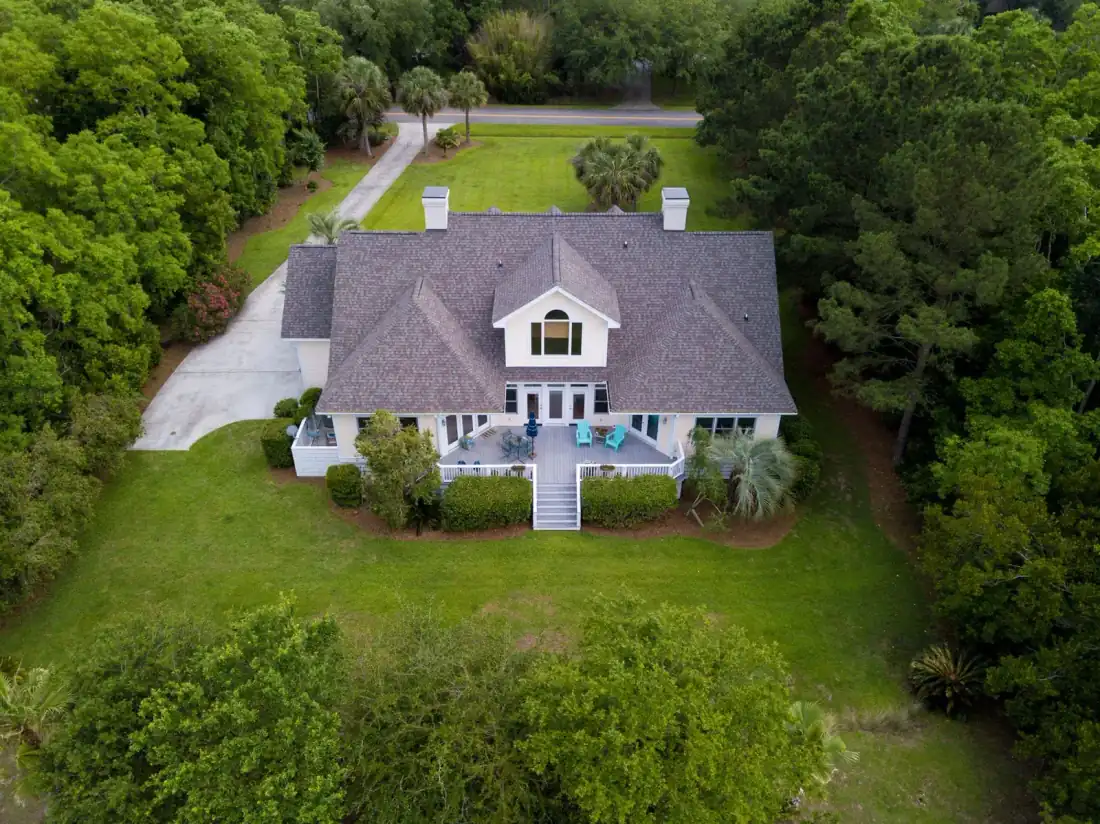
Building a Duplex in Florida: Construction Cost, Zoning and Rental Math for Hernando and Pasco Lots
How much it costs to build a duplex in Hernando, Pasco and Citrus counties in 2026: cost per square foot, the 1-hour fire separation wall, per-unit impact fees and utilities, zoning, a sample budget, homestead rules for owner-occupied duplexes and a simple rental check.
Read Article
How Much to Pay a Contractor Upfront in Florida: Deposit Limits, Draw Schedules and Red Flags
How much to pay a contractor upfront in Florida: the 10 percent trigger in section 489.126, permit and start deadlines, criminal penalties, reasonable deposits by project type, draw schedules tied to inspected work, lien law paperwork, red flags, the Homeowners' Construction Recovery Fund and what to do if a contractor takes a deposit and disappears.
Read Article
Construction Change Orders in Florida: How $500 Tweaks Snowball to $40k (and How to Cap Them)
How construction change orders work in Florida: what a complete change order includes, the lien, recovery fund and contractor moneys statutes behind residential contracts, the three kinds of change orders, how small tweaks snowball, construction loan impacts, how to cap changes and red flags to watch.
Read ArticleReady to Build?
Get your free evaluation today.
No-pressure consultation. We serve Hernando, Pasco, and Citrus counties. Call us now or request a visit online.