Blog
VA & FHA One-Time-Close Construction Loans in Florida: $0-Down Builds and How Land Equity Counts
Call (352) 710-5455A VA one-time close loan lets eligible veterans build a new home in Florida with no down payment, and an FHA one-time close loan does it with 3.5 percent down that the equity in your lot can cover. This guide explains both programs for 2026, from funding fees and mortgage insurance to loan limits, builder approval and the steps from pre-approval to move-in.
Building With Little or Nothing Down Is Possible, but the Rules Are Different
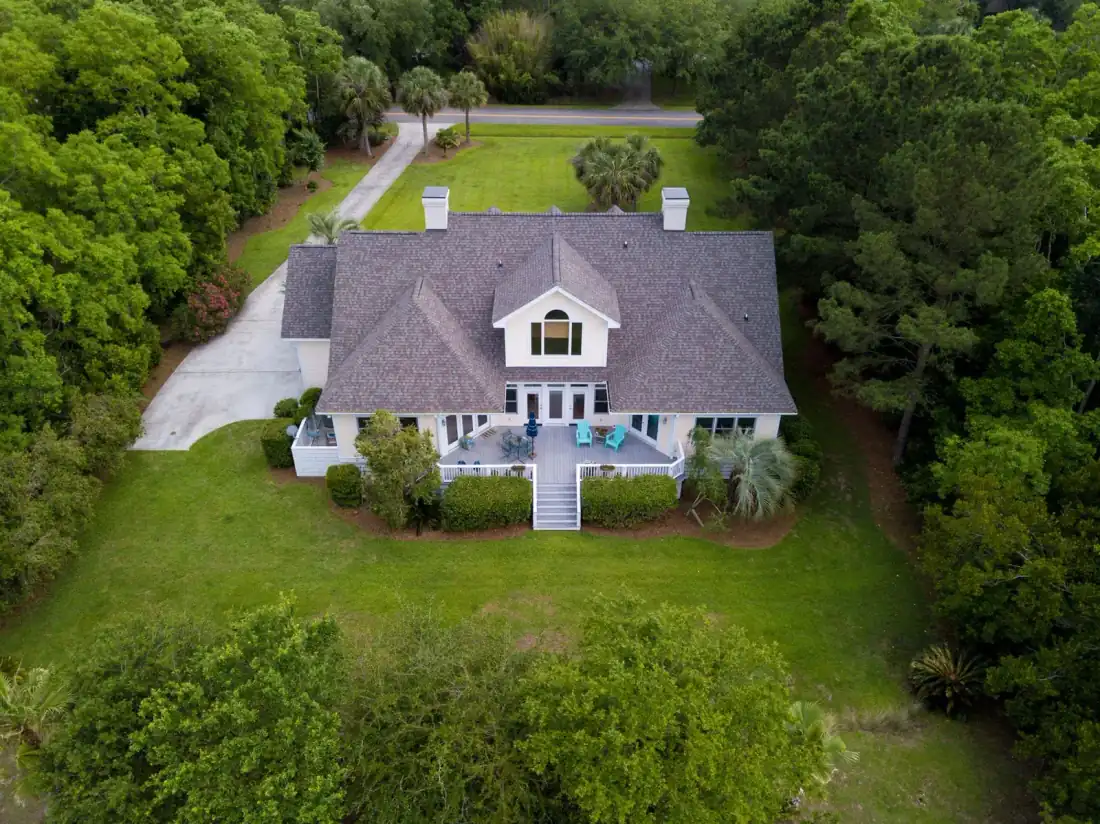
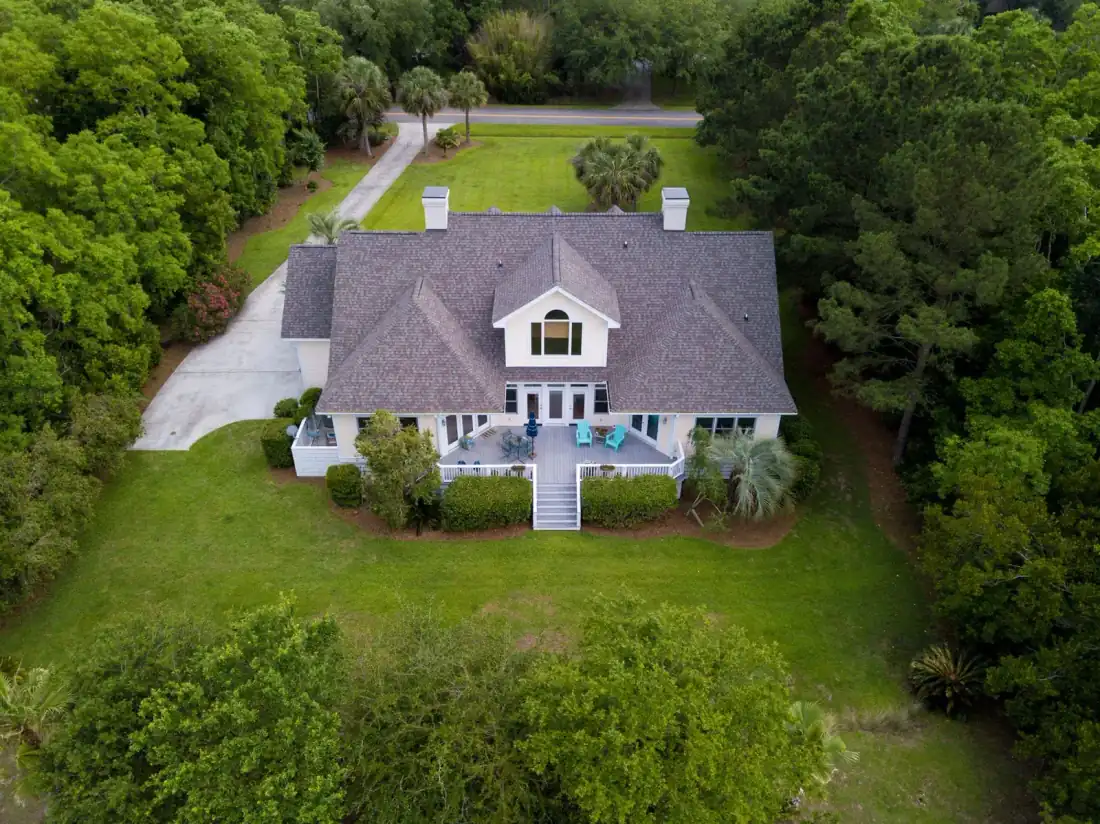
Most construction loans ask for 10 to 20 percent down, which shuts out a lot of families who could easily afford the monthly payment on a new home. Two government-backed programs change that math. The VA one-time close loan lets eligible veterans and service members finance land, construction and the permanent mortgage with no down payment. The FHA one-time close loan does the same with as little as 3.5 percent down, and it lets you count the equity in land you already own toward that 3.5 percent.
Both programs are real, and both work in Hernando, Pasco and Citrus County. They are also less common than a regular construction loan, they come with their own builder, property and inspection rules, and only a small group of lenders actually offers them. This guide explains how each one works in 2026, what they cost, how land equity is counted, and what you need to line up before you apply. If you want the general picture of how a construction loan turns into a 30-year mortgage, start with our construction-to-permanent loan guide and come back here for the government-backed details.
What a One-Time Close Loan Does
A one-time close loan, sometimes called a single-close or construction-to-permanent loan, wraps three things into one closing: the purchase of the lot (or a refinance of the lot you own), the construction financing that pays your builder in draws, and the permanent mortgage that you pay for the next 15 to 30 years. You sign once, pay one set of closing costs and lock your permanent rate before the first shovel goes in the ground.
For VA and FHA borrowers, that single closing is what makes the program worth it. With a two-time close, you would need a separate construction loan, usually with a larger down payment and a variable rate, and then you would have to qualify again for the government-backed mortgage when the house is done. If your income, debts or the rate market change during the build, the second closing can fall apart. One-time close removes that risk.
VA One-Time Close: $0 Down for Eligible Veterans
The VA does not lend money directly. It guarantees part of the loan, which is why lenders can offer financing with no down payment and no monthly mortgage insurance. For a construction loan, that guarantee covers the whole package from lot to finished house.
- Who qualifies: veterans, active duty service members, many National Guard and Reserve members and some surviving spouses who hold a valid Certificate of Eligibility (COE). Your lender can usually pull the COE online.
- Down payment: zero, as long as the appraised value supports the total cost and you have full entitlement.
- Loan limits: since January 1, 2020, borrowers with full VA entitlement have no VA loan limit. Lenders still cap what they will lend based on your income, credit and their own policies, and borrowers with a VA loan already outstanding may have reduced entitlement.
- Monthly mortgage insurance: none. This is one of the biggest long-term advantages over FHA.
- Funding fee: a one-time fee that can be paid up front or rolled into the loan. For purchase and construction loans it is 2.15 percent of the loan amount on first use with less than 5 percent down, 3.3 percent on subsequent use with less than 5 percent down, 1.5 percent with 5 to 9.99 percent down and 1.25 percent with 10 percent or more down. This schedule has been in effect since April 7, 2023.
- Funding fee exemption: veterans receiving compensation for a service-connected disability are exempt. The lender needs the confirmed rating on file before closing to waive it, so a pending claim does not count until it is decided.
The house itself has to meet the VA Minimum Property Requirements, which focus on safety, soundness and sanitation, and it is appraised by a VA-assigned appraiser based on the plans and specifications. Lenders that offer the VA one-time close also approve the builder themselves. Expect them to ask for the contractor license, proof of insurance, references, financial information and a fixed-price contract. Some lenders still ask the builder to register with the VA, so ask your lender early what they require.
FHA One-Time Close: 3.5 Percent Down, and Your Land Can Cover It
The FHA one-time close is the option for buyers who are not eligible for VA but still want to build with a small down payment. HUD describes the construction-to-permanent program as a loan for building on land the borrower owns or is buying, with a single mortgage closing before construction begins.
- Down payment: the FHA minimum is 3.5 percent for borrowers with a credit score of 580 or higher, and 10 percent between 500 and 579. In practice, most lenders that offer the FHA construction product set their own minimum score higher, often around 620, because construction loans carry more risk.
- Land equity: documented equity in a lot you already own can count toward the required 3.5 percent. HUD calculates the maximum mortgage differently depending on how long you have owned the land, so the lender will ask for the purchase documents and an appraisal of the lot.
- Loan limit: for 2026, the FHA limit for a single-family home in Hernando County is $541,287, which is the national floor amount that applies across most Florida counties. The total loan, including the financed upfront mortgage insurance, cannot exceed the limit for your county.
- Mortgage insurance: an upfront premium of 1.75 percent of the base loan, usually financed, plus an annual premium paid monthly. For most 30-year loans with less than 5 percent down, the annual premium has been 0.55 percent since March 2023. With less than 10 percent down, it stays for the life of the loan unless you refinance.
- Builder: the borrower must contract with a licensed general contractor. You can only act as your own general contractor if you also hold a contractor license.
FHA new construction also carries its own paperwork, including builder certifications and inspections at set stages of the build, on top of the county permit inspections. A builder who has not worked with the program before can slow your closing down, which is why the builder decision belongs at the start of the process, not the end.
VA vs FHA One-Time Close Side by Side
If you are eligible for both, the VA loan is almost always the better deal. The main differences:
- Down payment: VA zero with full entitlement. FHA 3.5 percent, which land equity can cover.
- Mortgage insurance: VA none. FHA 1.75 percent upfront plus a monthly premium, usually for the life of the loan.
- One-time fee: VA funding fee of 1.25 to 3.3 percent depending on down payment and use, waived for disabled veterans. FHA has the upfront mortgage insurance premium instead.
- Loan size: VA has no VA limit with full entitlement. FHA is capped at $541,287 for a single-family home in Hernando County in 2026.
- Credit: both programs are more flexible than conventional loans, but construction lenders usually add a higher minimum score than the agency floor.
- Eligibility: VA requires military service eligibility. FHA is open to anyone who qualifies, as long as the home will be the primary residence.
How Land Equity Changes the Math
A lot of families in our area already own a lot. Some bought it years ago in Spring Hill or Weeki Wachee, some inherited land, and some bought acreage in eastern Pasco or Citrus County planning to build later. For an FHA one-time close, that land can be the down payment.
Here is an illustrative example, not a quote or a loan offer. Say you own a lot that appraises at $60,000 and you have no mortgage on it, and the home you want to build costs $380,000 including site work and permits. The total value of the finished project is around $440,000. A 3.5 percent down payment on that total is about $15,400. Because your documented land equity is far above that, the lot covers your down payment and you may bring little or no cash for it at closing. You would still need money for closing costs and reserves unless the lender or seller credits cover them.
Using the same numbers, the FHA upfront mortgage insurance on a base loan of roughly $424,600 would be about $7,400, usually financed. The annual premium at 0.55 percent works out to about $195 a month at the start. A VA borrower building the same house with a $0 down first-use loan would pay a funding fee of 2.15 percent, about $9,460 on a $440,000 loan, and no monthly mortgage insurance at all. Over 30 years, that monthly difference is why eligible veterans should almost always start with the VA option.
If the land still has a loan on it, the one-time close usually pays that off at closing, and only the equity above the payoff counts toward your contribution.
Florida-Specific Issues That Affect VA and FHA Builds
Government-backed loans follow national rules, but the house still has to be built and permitted in Florida, and that brings its own questions.
- Wind design: every new home here is designed to the Florida Building Code wind loads for its location, which drives roof-to-wall connections, windows and doors. Lenders and appraisers expect permitted, inspected work that meets code.
- Flood zones: if the lot sits in a FEMA special flood hazard area, which is common near the coast in Hernando Beach, Hudson and New Port Richey, flood insurance is required and the elevation of the house affects both cost and premium.
- Wells and septic: many rural lots in Hernando, Pasco and Citrus County use a private well and septic system. Both programs accept them, but the lender will want water testing and county septic approval, and the cost belongs in the construction budget.
- Lot readiness: clearing, fill, driveway and utility connections can add tens of thousands of dollars on a raw lot. Appraisers value the finished home, so a site work budget that is too low can leave you short in the middle of the build.
- Homeowners insurance: your lender needs a builder risk policy during construction and a homeowners policy at completion. A new home built to current code usually qualifies for better wind mitigation credits than an older house.
Step by Step: From Pre-Approval to Move-In
- 1. Confirm eligibility: VA borrowers request the COE. Both VA and FHA borrowers should check credit and debt-to-income with a lender that actually offers the one-time close product, not just a regular VA or FHA purchase loan.
- 2. Pick the lot: if you already own land, gather the deed, survey and purchase records. If you are buying, have the builder look at it before you commit, especially for flood zone, well and septic, and fill.
- 3. Choose a plan and a builder: the lender needs a fixed-price contract, plans and specifications. Our home floor plans, including the Aspen, Designer Aspen and Linleigh, give you a starting point with realistic square footage and pricing.
- 4. Builder approval: the lender reviews the builder license, insurance and history. This can take a few weeks if the builder is new to the lender.
- 5. Appraisal: the appraiser values the finished home based on the plans and the lot. If the appraisal comes in below the contract price, the plan or the budget has to change, or you bring the difference.
- 6. Closing: one closing for land, construction and the permanent mortgage. Your rate is locked here.
- 7. Build and draws: the lender releases money to the builder in draws after inspections confirm each stage is done. You typically make no principal payments during construction, though some lenders require interest payments on the money already drawn.
- 8. Completion and conversion: after the final inspection and certificate of occupancy, the loan converts to the permanent mortgage and regular payments begin.
Common Reasons VA and FHA Construction Loans Stall
- Wrong lender: many lenders advertise VA and FHA loans but only for existing homes. Ask directly whether they close one-time construction loans and how many they closed last year.
- Builder not approved: if the builder cannot pass the lender review, the loan stops. Start that review early.
- Budget gaps: site work, impact fees, utility connections and upgrades left out of the contract show up as change orders the loan may not cover.
- Appraisal shortfall: custom features that cost a lot but do not add much appraised value can widen the gap between contract and appraisal.
- FHA loan limit: a larger custom home can simply exceed the FHA limit for the county. In that case, VA, a conventional construction loan or a smaller plan are the options.
- Life changes mid-build: a new car loan or a job change during construction can still cause trouble, because the lender may re-verify before conversion.
Is a VA or FHA One-Time Close Right for You?
A VA one-time close is usually the best financing available for an eligible veteran who wants to build: zero down, no monthly mortgage insurance and no VA loan limit with full entitlement. An FHA one-time close makes the most sense when you already own a lot with solid equity, your credit is fair but not excellent, and your planned home fits under the county FHA limit. If you have 10 to 20 percent to put down and strong credit, compare both against a conventional construction-to-permanent loan, because private mortgage insurance on a conventional loan can be cancelled while FHA insurance usually cannot.
Whatever the loan, the builder is half of the approval. Lenders want a contractor with a clean license, solid insurance, a fixed-price contract and a track record of finishing on schedule. Those are the same things you should want too.
Build With Protech Construction in Hernando, Pasco and Citrus County
Protech Construction is a licensed Florida building contractor, license CBC1268979, based at 9035 Jayson Dr in Brooksville. Our custom home building service works with VA and FHA construction lenders and supplies the plans, specifications, fixed-price contract and builder documentation they ask for. We build across the region, including new construction in Brooksville, new homes in Spring Hill and new construction in Hudson.
Call (352) 710-5455 or reach us through the contact page. Tell us about your lot and your loan program, and we will help you match a plan to a number your lender can approve.
FAQ
Frequently Asked Questions
Can I build a house with a VA loan in Florida?
+
What is the VA funding fee on a construction loan?
+
Can land I already own count as my FHA down payment?
+
What is the FHA loan limit in Hernando County for 2026?
+
What credit score do I need for an FHA or VA construction loan?
+
Can I be my own builder on a VA or FHA construction loan?
+
Keep Reading
More articles from the Protech Construction blog
Detached Garages and Workshops in Florida: Slab, Block and Truss Costs From 24x24 to RV Height
A detached garage in Florida is a small building with its own slab, wind design, door rating and permit. Here is what a 24x24 garage, a workshop and an RV bay cost in 2026, and the decisions that move the price.
Read Article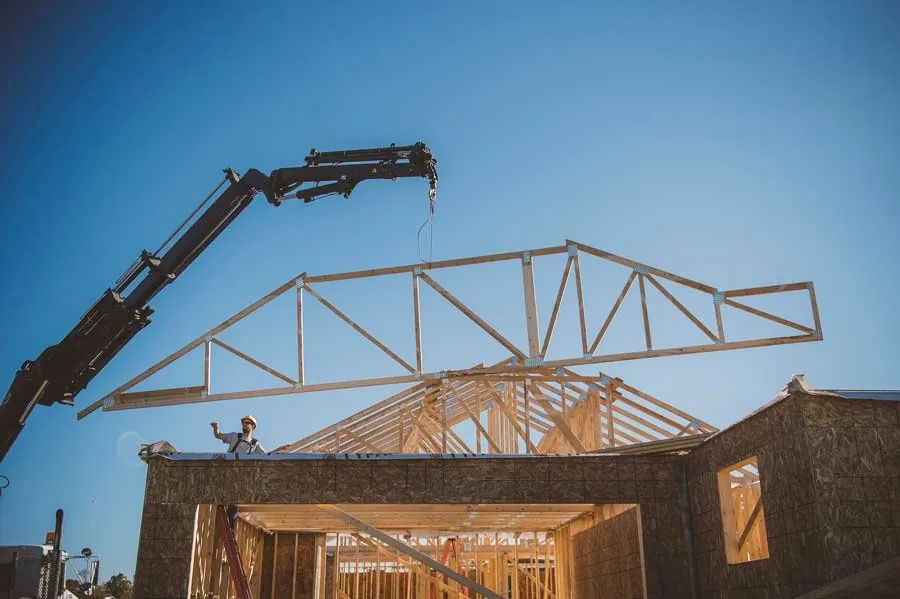
Converting a Garage in Florida: Permits, AC, Egress and Why a $20k Conversion Can Cost You Resale
A garage conversion looks like the cheapest square footage you can add to a Florida home. Here is what it really costs in 2026, what the code requires for the slab, AC and egress, and when a $20,000 conversion costs you more at resale than it adds.
Read Article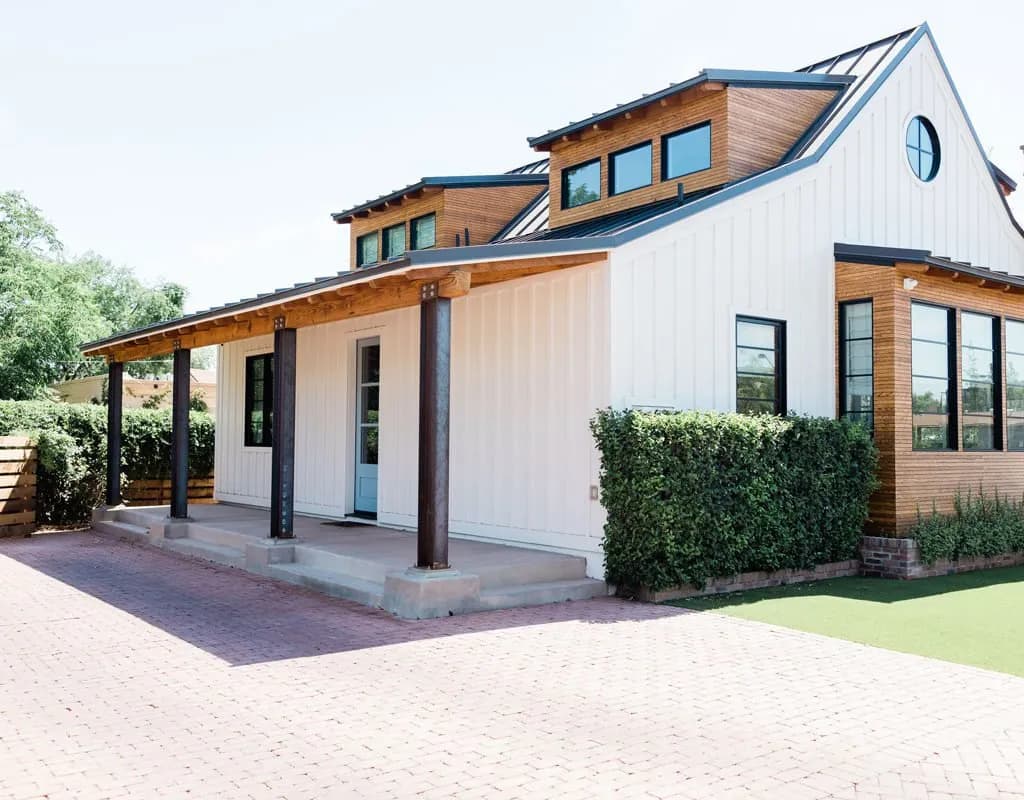
Screened Porch Additions in Florida: Real Costs for an Attached Screen Room, Not a Pool Cage
Three contractors can quote a screened porch $30,000 apart and all be honest, because they are pricing three different projects. Here is what a roofed screened porch addition really costs in Florida, where the roof tie-in decides the budget, and when a screen room is the better buy.
Read ArticleReady to Build?
Get your free evaluation today.
No-pressure consultation. We serve Hernando, Pasco, and Citrus counties. Call us now or request a visit online.