Blog
Pavers vs Concrete Patio in Florida: Upfront Cost, Heat, Cracking and Which Survives Gulf Sun Longer
Call (352) 710-5455In Hernando County in 2026, a broom-finish concrete patio runs about $8 to $15 per square foot installed, stamped concrete $12 to $25 and standard pavers $15 to $30. Concrete wins on upfront cost. Pavers win on repairs, pool decks and settling soil. Here is how heat, cracking, drainage and upkeep change the decision.
Pavers or Concrete: The Patio Decision Florida Homeowners Get Wrong
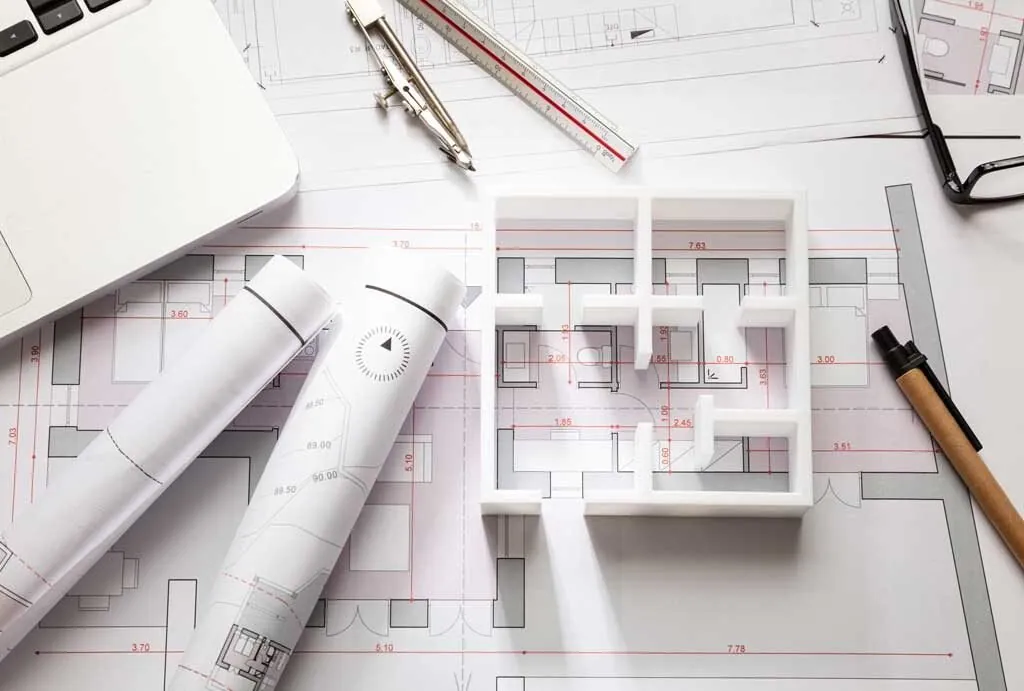
Almost every patio conversation we have in Hernando, Pasco and Citrus counties starts with the same question: should it be pavers or concrete? The answer most homeowners hear is a price comparison. Concrete is cheaper, pavers look better, pick one. That answer leaves out the parts that decide whether you are happy with the patio in year eight, not just on the day the crew leaves: how hot the surface gets under an August sun, what happens when sandy Florida soil settles, how each option handles a summer of afternoon downpours and what a repair looks like when something does go wrong.
This guide compares the two side by side using the installed price ranges we quote in our area for 2026, then walks through heat, cracking, drainage, maintenance, resale and the situations where each one is clearly the better choice. If you are planning a covered or screened space, the surface is only one piece of the budget, and our screened porch cost guide covers the structure that goes over it.
Paver vs Concrete Patio Cost in Florida (2026 Installed Ranges)
These are the installed per-square-foot ranges we use for patio planning in Hernando County and the surrounding area in 2026. They include base preparation and installation, not a roof, screen or furniture.
- Broom-finish concrete: $8 to $15 per square foot. A 300-square-foot patio runs about $2,400 to $4,500.
- Stained or colored concrete: $10 to $20 per square foot, using integral color or acid stain on a standard slab.
- Stamped concrete: $12 to $25 per square foot. Patterns imitate stone, brick or pavers at a lower price than the real materials.
- Standard concrete pavers: $15 to $30 per square foot, with a wide range of colors, shapes and laying patterns.
- Permeable pavers: $20 to $40 per square foot. The joints let rainwater pass through to a stone base below.
- Travertine or natural stone pavers: $25 to $50 per square foot, the premium option with natural color variation.
On a typical 300-square-foot back patio, that puts plain concrete around $2,400 to $4,500, standard pavers around $4,500 to $9,000 and travertine around $7,500 to $15,000. The gap between plain concrete and standard pavers is real, often $3,000 to $5,000 on a patio that size. The gap between stamped concrete and standard pavers is much smaller, and on some jobs the two overlap. That overlap is where most of the interesting decisions happen.
A few things push either option up: a site that needs fill or regrading, demolition of an old slab, a long haul for materials, curves and steps, and tie-ins to a pool deck or lanai. Our patio construction service prices those items separately so you can see where the money goes.
How Each Patio Is Built: Slab vs Segmental System
The two options behave differently because they are built differently. A concrete patio is one continuous slab, usually around 4 inches thick, poured over a compacted base, finished, cut with control joints and left to cure. Once it hardens, it is a single rigid piece. Everything good and bad about concrete comes from that rigidity.
A paver patio is a flexible system of individual units. The crew excavates, places and compacts a layer of crushed aggregate base, screeds a thin bedding layer, lays the pavers, installs a restraint at the edges so the field cannot creep, sweeps sand into the joints and compacts the whole surface. Concrete pavers made to ASTM C936, the standard most manufacturers follow, are pressed at high density and are usually stronger and less absorbent than a typical poured patio slab. The joints between them let the surface flex slightly instead of cracking.
The quality of either patio lives in the part you never see. A slab poured on poorly compacted sand will crack. A paver patio with a thin or uncompacted base will rut and sink. When you compare quotes, ask how deep the base is, what it is made of and how it will be compacted. A low price with a vague answer to that question is the most expensive patio you can buy.
Heat: Which Patio Surface Stays Cooler Under Gulf Sun
Florida patios spend most of the year in direct sun, and surface temperature is the complaint we hear most often from homeowners who chose the wrong material. Color matters more than material. A dark charcoal paver or a deeply stained slab will get uncomfortably hot by early afternoon in summer, while light tan, cream and gray surfaces stay noticeably cooler to bare feet.
Among the options here, light travertine has a reputation for staying the most comfortable, which is why it is so common on pool decks across the state. Light concrete pavers and light broom-finish concrete come next. Stamped concrete is often colored and sealed with a glossy coat, and a dark, sealed stamped surface can be one of the hottest options. If the patio sits beside a pool or will be used barefoot, pick the light color first and the material second.
The bigger heat fix is shade. A covered patio cuts the surface temperature and makes the space usable in July. If shade is on the list, plan the cover and the surface together, because the slab or base under a roof structure has to be designed for the column footings. Our pool and lanai cost guide shows how those pieces add up on a full outdoor living project.
Cracking and Settling in Sandy Florida Soil
Concrete cracks. That is not a defect, it is a property of the material, and every honest concrete contractor will say so. Control joints are cut into the slab so the cracks happen in a straight line where you planned them. A common rule of thumb is to space joints at roughly two to three times the slab thickness in feet, so a 4-inch slab gets joints every 8 to 12 feet. Cracks that wander outside the joints usually point to base problems, rapid drying in hot weather or tree roots.
In much of our area the soil is sand, and in some neighborhoods there are pockets of organic soil or clay, plus the karst conditions Hernando and Citrus counties are known for. When the ground under a slab settles unevenly, the slab cracks and one side drops. The repair options are limited: leveling with foam or grout, grinding the trip edge or cutting out and repouring a section that will never quite match the color of the old one.
Pavers handle the same settlement differently. If a corner sinks, the crew pulls the pavers in that area, adds and compacts base, and relays the same pavers. Done well, the repair is close to invisible. That is the strongest practical argument for pavers in Florida: not that they never move, but that when they move, the fix costs a few hundred dollars instead of a new slab.
Rain, Drainage and Florida Stormwater
A summer thunderstorm can drop an inch or more of rain in an hour. Every patio needs a slope away from the house so that water does not run toward the slab of the home or pond against the back door. On concrete, that slope is formed during the pour, and getting it wrong is permanent. On pavers, it is built into the base and can be corrected section by section.
Permeable pavers go a step further. Their wider joints are filled with small stone instead of sand, and the base is an open-graded stone reservoir that holds water and lets it soak into the ground. On lots where the amount of impervious surface is limited by the subdivision, the HOA or the site plan, a permeable patio can help you add outdoor space without adding as much runoff. Whether it counts toward your specific limit is a local question, so we check it during design before anyone promises a number.
Maintenance Over 10 to 20 Years
Neither surface is maintenance free in Florida. Humidity, shade and sprinkler water grow mildew and algae on both. The difference is in what the routine looks like:
- Concrete: Clean it once or twice a year and reseal decorative concrete every few years according to the sealer manufacturer. Stamped concrete especially needs its sealer kept up, or the color fades and the surface gets slick when wet. Cracks can be routed and filled, but the repair will show.
- Pavers: Clean, top up joint sand when it washes out and pull the occasional weed. Polymeric joint sand reduces weeds and ant hills but still needs to be refreshed over time. A sealer is optional and can deepen color, but it adds a maintenance cycle.
- Travertine: Natural stone is porous. Sealing helps resist staining from leaves, rust and pool chemicals, and it needs to be redone on the sealer maker's schedule.
One practical note for pool owners: avoid pressure washing paver joints at high pressure. It blasts the sand out, and the pavers start to shift. A gentle wash and a refill of joint sand keeps the field locked.
Resale, Looks and What Buyers Notice
From the buyer side, a well-built paver patio usually reads as an upgrade, and travertine reads as a premium finish. A plain broom-finish slab reads as standard. That does not mean pavers add their full cost back to the appraisal. Outdoor hardscape rarely does, and nobody should promise a dollar-for-dollar return. What a good patio does is make the back of the house photograph well and make the outdoor space feel like part of the living area, which matters in a market where buyers spend a lot of time outside.
A cracked or sunken patio works the other way. It is one of the first things a buyer notices on a walk-through and one of the easiest to use as a negotiating point. That is another reason the base, not the surface, deserves the budget.
When Concrete Is the Better Choice
- Tight budget, big area: When the goal is maximum usable square footage for the money, broom-finish concrete wins.
- Under a future roof or screen enclosure: A slab is often the right base when a covered patio or screen room is coming, because footings and columns are designed with it. Pavers can be added on top or around it later.
- Garage, workshop and utility areas: For a pad that holds equipment, a trailer or a hot tub, a properly designed slab is simpler.
- Clean modern look: A smooth or lightly textured slab with saw-cut joints suits some contemporary homes better than a paver pattern.
When Pavers Are the Better Choice
- Pool decks: Pavers and travertine are the standard around Florida pools for good reason: cooler light colors, better grip and repairs that do not mean tearing out the deck.
- Lots with settling risk: Where the soil is uneven or there is history of settlement, a segmental surface is easier to live with.
- Utility access: If plumbing, irrigation or electrical lines run under the patio, pavers can be lifted and replaced.
- Phased projects: Pavers make it easy to extend a patio later, add a fire pit area or connect to an outdoor kitchen with a matching surface.
For many families the best answer is both: a concrete slab under the covered lanai and a paver extension into the yard. Our new home plans often offer exactly that, with a pavered extension, screened lanai or outdoor kitchen rough-in available during customization. If an outdoor kitchen is part of the plan, our outdoor kitchen cost guide covers the gas, water and electrical pieces.
Planning Your Patio in Hernando, Pasco and Citrus Counties
Before you choose a surface, settle three things: where the water goes, whether a roof will ever go over the space and what the patio will be used for on a normal weekday, not just at a party. Those answers usually make the material choice for you. Then get a quote that spells out base depth, compaction, edge restraint or joint layout, slope and the sealer plan, so you can compare contractors on the work that actually decides how long the patio lasts.
We build patios, lanais and outdoor living spaces as part of home remodeling projects and new builds across our area, including remodeling in Spring Hill and Brooksville, Pasco communities like New Port Richey, Hudson and Dade City, and Citrus County towns like Inverness, Crystal River and Lecanto. Licensed under CBC1268979. Call (352) 710-5455 and we will look at the yard, the drainage and the sun and tell you honestly which surface fits it.
FAQ
Frequently Asked Questions
Is a paver patio more expensive than concrete in Florida?
+
Which patio surface stays cooler in the Florida sun?
+
Do concrete patios crack in Florida?
+
Are permeable pavers worth it in Florida?
+
Should I put pavers or concrete under a covered lanai?
+
Keep Reading
More articles from the Protech Construction blog
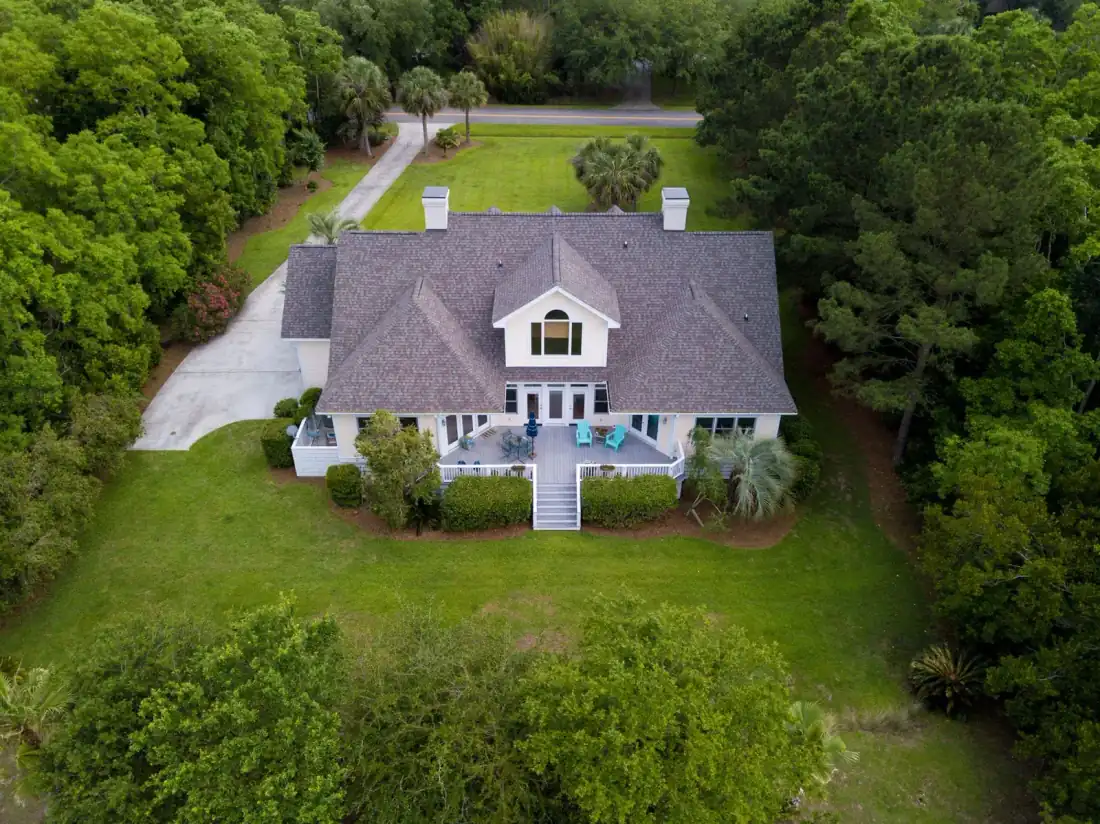
Building a Duplex in Florida: Construction Cost, Zoning and Rental Math for Hernando and Pasco Lots
How much it costs to build a duplex in Hernando, Pasco and Citrus counties in 2026: cost per square foot, the 1-hour fire separation wall, per-unit impact fees and utilities, zoning, a sample budget, homestead rules for owner-occupied duplexes and a simple rental check.
Read Article
How Much to Pay a Contractor Upfront in Florida: Deposit Limits, Draw Schedules and Red Flags
How much to pay a contractor upfront in Florida: the 10 percent trigger in section 489.126, permit and start deadlines, criminal penalties, reasonable deposits by project type, draw schedules tied to inspected work, lien law paperwork, red flags, the Homeowners' Construction Recovery Fund and what to do if a contractor takes a deposit and disappears.
Read Article
Construction Change Orders in Florida: How $500 Tweaks Snowball to $40k (and How to Cap Them)
How construction change orders work in Florida: what a complete change order includes, the lien, recovery fund and contractor moneys statutes behind residential contracts, the three kinds of change orders, how small tweaks snowball, construction loan impacts, how to cap changes and red flags to watch.
Read ArticleReady to Build?
Get your free evaluation today.
No-pressure consultation. We serve Hernando, Pasco, and Citrus counties. Call us now or request a visit online.