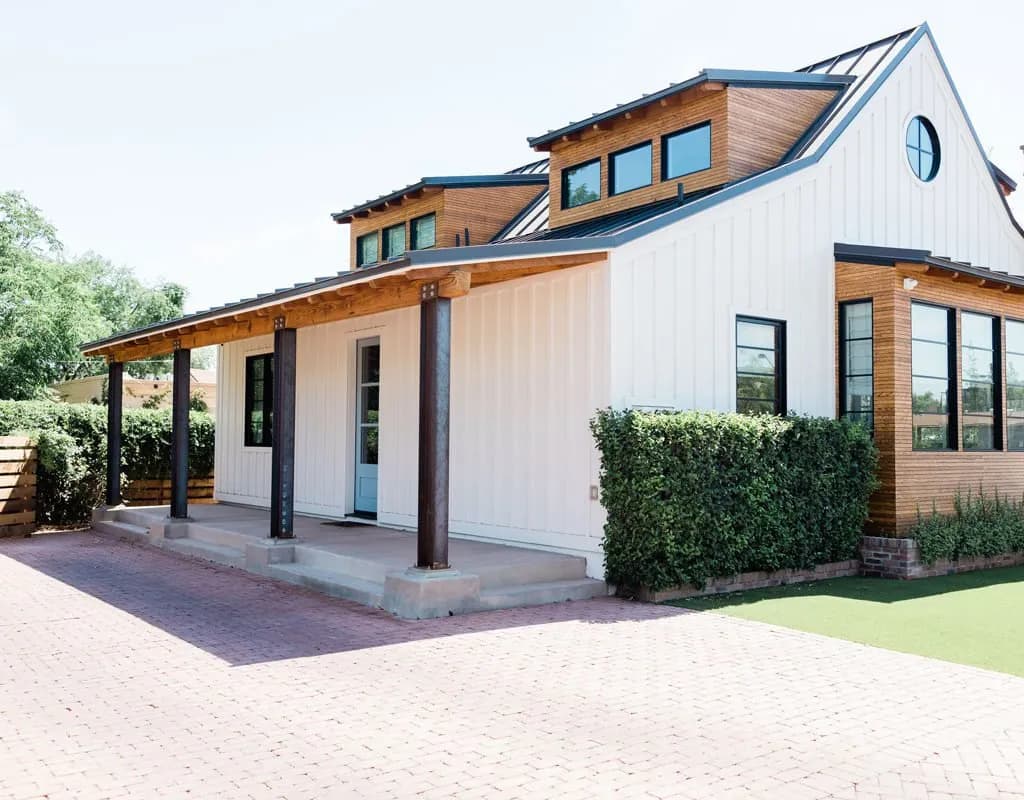
Protech Construction Services LLC (license CBC1268979) builds pool decks, screen enclosures, and covered lanais as part of home addition projects across Hernando, Pasco, and Citrus counties, and the most common surprise homeowners hit is the gap between the pool quote and the finished outdoor space. A pool contractor quotes the pool. The screen cage, the paver deck, the covered lanai, the electrical, the grading, and the permits are separate lines, and together they often add as much as the pool itself. This guide breaks the whole project into its real parts with 2026 pricing, so the number you plan around is the finished number, not the sticker.
Why the Pool Quote and the Finished Project Are Two Different Numbers
A pool builder sells you a pool. That quote covers excavation, the shell, the interior finish, the equipment pad, and the water. It is a real number and it is not the number you will spend. The finished backyard, the one you actually use, includes a deck to walk on, a screen enclosure to keep it usable in a Florida summer, often a covered lanai for shade, the electrical to run it all, and the permits to make it legal. Those are separate scopes, priced separately, and they add up.
That is the pattern behind the sticker shock. A pool that prices in the mid-forties as a shell can finish in the high-seventies or beyond once the screen enclosure and pavers are added, and a larger custom project moves well past that. None of it is a hidden fee. It is the difference between buying a pool and building an outdoor living space, and the fix is to price the whole thing at once instead of discovering it in stages.
This is exactly the kind of scope we settle before anyone signs, the same way we do on any home addition, because a pool and lanai is an addition to how the house lives, not just a hole in the yard.
The Pool Shell: What the Base Price Actually Buys
Gunite, the sprayed-concrete pool that dominates the Florida market, is built for the heat and lasts decades, and it carries the widest price range because it is fully custom. In 2026, concrete pools in Florida run roughly $50,000 to $120,000, and most mid-range gunite pools in Central Florida land between $80,000 and $130,000 fully installed once decking, equipment, and permits are counted. On a per-square-foot basis the shell alone runs about $100 to $280 depending on depth, shape, and finish.
The base pool quote typically includes excavation, the gunite shell, a standard interior finish, tile at the waterline, the pump and filter, and basic startup. What it usually does not include is the deck beyond a small band of concrete, the screen enclosure, a heater, upgraded finishes like pebble or glass tile, water features, or the electrical service upgrade some homes need to run pool equipment. Read the pool contract for what is excluded, because the exclusions are the lines that land on your addition budget.
Size drives everything downstream. A larger pool needs a larger deck, a larger screen cage, and more equipment, so each foot of pool multiplies through the rest of the project. That compounding is why a modest pool with generous surrounding space can cost less than a large pool in a tight yard.
The Screen Enclosure: $12 to $25 a Square Foot, and Why
The pool cage is not optional comfort in Florida, it is what makes the pool usable. It keeps out mosquitoes and love bugs, cuts debris and leaf load, reduces the chemical burden, and provides a real measure of safety around the water. In 2026, professional screen enclosure installation in Florida runs roughly $12 to $25 per square foot, and a standard mid-sized pool cage averages around $20,000 to $25,000. Smaller lanai or patio screen enclosures run about $5,000 to $15,000, while large or high pool enclosures can reach $30,000 to $45,000 or more.
The spread comes from a few specific things.
- Height and span: A high mansard or gable cage over a large pool uses more aluminum and heavier structural members than a low flat-pan enclosure, and it costs more per square foot.
- Screen type: Standard fiberglass screen is the base. No-see-um mesh, pet-resistant screen, and privacy screen each add cost.
- Wind rating: The enclosure is an engineered structure that must meet the site wind speed, which sets the aluminum gauge, the fastening schedule, and the footer requirements.
- Doors and detailing: Kick plates, extra doors, and structured or insulated roof panels over a portion of the cage all add line items.
Because the cage is engineered for wind, it is not a decorative afterthought. It gets the same structural attention as the rest of the build, which is the theme of our guide to Florida hurricane wind code for new homes.
Pavers: The Deck That Surrounds Everything
The deck is the surface you actually stand on, and pavers are the Florida default for a reason: they stay cooler than poured concrete in the right color, they resist cracking because the joints move independently, and a damaged paver lifts out and replaces without patching the whole slab. Paver pricing spans a wide range, roughly $8 to $50 per square foot depending on the material, with standard concrete pavers at the low end and travertine, clay brick, and porcelain climbing from there.
Deck size is the variable homeowners underestimate. A pool needs a walkable perimeter on all sides, plus space for lounge chairs, a table, and circulation, and that footprint is often larger than the pool itself. A basic paver or concrete pool deck can start around $7,000, while larger or premium stone decks reach $15,000 to $20,000 or more. Travertine is popular around Florida pools specifically because it stays cool underfoot, and it sits at the higher end of that range.
Base preparation is where deck quality is won or lost. Pavers set on a poorly compacted base settle and heave, and in Florida's sandy soil that base work matters more than the paver you choose. It is the same discipline we bring to foundations and slabs on our custom home building projects, and it is why a cheap deck installed fast is the one that fails first.
The Covered Lanai Versus the Screen Cage
People use lanai loosely, so it is worth separating two different things that carry two different costs. A screen enclosure is the aluminum-and-mesh cage over the pool. A covered lanai is a roofed, shaded outdoor room, usually attached to the house, often with a solid or insulated roof and sometimes with an outdoor kitchen or fans. Many Florida pool projects include both: a covered lanai against the house for shade, opening into a screened cage over the pool.
The covered lanai is the more expensive of the two per square foot because it is real roofed structure, not screen. It needs a foundation or thickened slab edge, a roof that ties into or matches the house, and, if it is insulated or air-conditioned, it becomes conditioned square footage with its own code implications. That is closer to an addition than to a screen enclosure, and it is priced accordingly. Deciding how much of the outdoor space is roofed versus screened is one of the biggest levers on the total, and it should be a deliberate design choice, not a default.
The Line Items That Quietly Add Up
Between the pool, the cage, and the pavers sit a set of smaller costs that are easy to forget and add real money.
- Electrical: Pool pumps, a heater, cage lighting, and outlets need dedicated circuits and code-required bonding and grounding around the water. Some older homes need a panel upgrade to carry the load.
- Grading and drainage: The deck has to shed water away from the pool and the house. On a flat or low lot, that can mean fill, regrading, or a drainage system.
- Screen enclosure footers: The cage anchors into footers around the deck, which are poured and inspected as structure.
- Permits and impact: A pool, an electrical permit, and a screen enclosure permit are typically separate, each with its own fee and inspection.
- Gas and plumbing: A gas heater or an outdoor kitchen adds a gas line and, for a kitchen, water and drainage.
- Fill and haul-off: Excavated spoil from the pool has to go somewhere, and hauling it off the site is a real cost on a tight lot.
None of these is exotic, and all of them are routine on a well-run project. The reason they cause budget pain is that homeowners collect quotes for the pool, the cage, and the deck separately and never see the connecting costs until the work exposes them.
A Realistic All-In Budget for a Hernando County Pool and Lanai
Put the parts together and the finished project comes into focus. A modest but complete screened pool with a paver deck in the inland Hernando, Pasco, and Citrus market starts by stacking a pool shell in the roughly $50,000 range, a mid-sized screen cage around $20,000 to $25,000, and a paver deck from $7,000 up, before electrical, grading, and permits. That is how a pool that looked like a mid-forties or low-fifties quote becomes a high-seventies finished project without a single upgrade.
Add a covered lanai, a heater, travertine instead of standard pavers, an outdoor kitchen, or a larger pool, and the number climbs into six figures the same way a kitchen does when the scope grows. The inland Hernando market generally prices below coastal Tampa and the Gulf beaches, which is a genuine advantage, but the structure of the budget is the same everywhere: the pool is roughly half, and the deck, cage, lanai, and connections are the other half.
The practical takeaway is to design and price the full outdoor space as one project. That is the only way the number you plan around survives contact with the finished backyard, and it is the approach we take on additions across Brooksville and Spring Hill.
Permits, Code, and the Pool Barrier Rule
A pool in Florida is a permitted, inspected project, and the safety code is not negotiable. Florida law requires a residential pool to have at least one approved safety barrier, and the options include a fence meeting the code height and gate requirements, an approved pool cover, door alarms on doors leading to the pool, or a self-latching, self-closing gate arrangement. A screen enclosure that fully encloses the pool can serve as the barrier when it is built to the requirement, which is one more reason the cage is treated as structure rather than decoration.
Beyond the barrier, expect separate permits and inspections for the pool, the electrical, and the screen enclosure, each with its own fee. Setbacks from property lines, easements, and the septic drainfield govern where the pool and deck can sit, and on a rural parcel the drainfield setback can decide the layout entirely. The sequence that avoids expensive redesign is the same one we use on every build: confirm the lot, the setbacks, and the utilities before drawing the pool, not after. It is the same discipline we describe in our guide to building a custom home in Hernando County.
Start With the Full Scope, Not the Pool Quote
Protech Construction Services LLC is a licensed Florida general contractor, license CBC1268979, based at 9035 Jayson Dr, Brooksville FL 34613, building additions, custom homes, and outdoor living space across Hernando, Pasco, and Citrus counties. If you are planning a pool, the number that matters is the finished number: pool, deck, screen enclosure, covered lanai, electrical, grading, and permits, priced together from one design.
Call (352) 710-5455 or request a consultation, and we will help you scope the whole outdoor space so the budget you set is the budget you spend. You can also review our home remodeling and Hernando County service area pages to see how we work.
FAQ
Frequently Asked Questions
How much does a pool and lanai cost in Hernando County in 2026?
+
Why is the screen enclosure so expensive?
+
Are pavers better than concrete for a Florida pool deck?
+
What is the difference between a lanai and a screen enclosure?
+
Do I need a permit and a safety barrier for a pool in Florida?
+
What costs get forgotten when budgeting a pool?
+
Keep Reading
More articles from the Protech Construction blog
Adding a Second Story in Florida: Why Foundation and Wind Load Make It Cost More Than You Think
Adding a second story in Florida often costs more per square foot than building out or even building new. Here is what drives the price, from footing reinforcement and hurricane wind load to the FEMA 50 percent rule, with 2026 planning ranges.
Read ArticleScreened Porch Additions in Florida: Real Costs for an Attached Screen Room, Not a Pool Cage
Three contractors can quote a screened porch $30,000 apart and all be honest, because they are pricing three different projects. Here is what a roofed screened porch addition really costs in Florida, where the roof tie-in decides the budget, and when a screen room is the better buy.
Read Article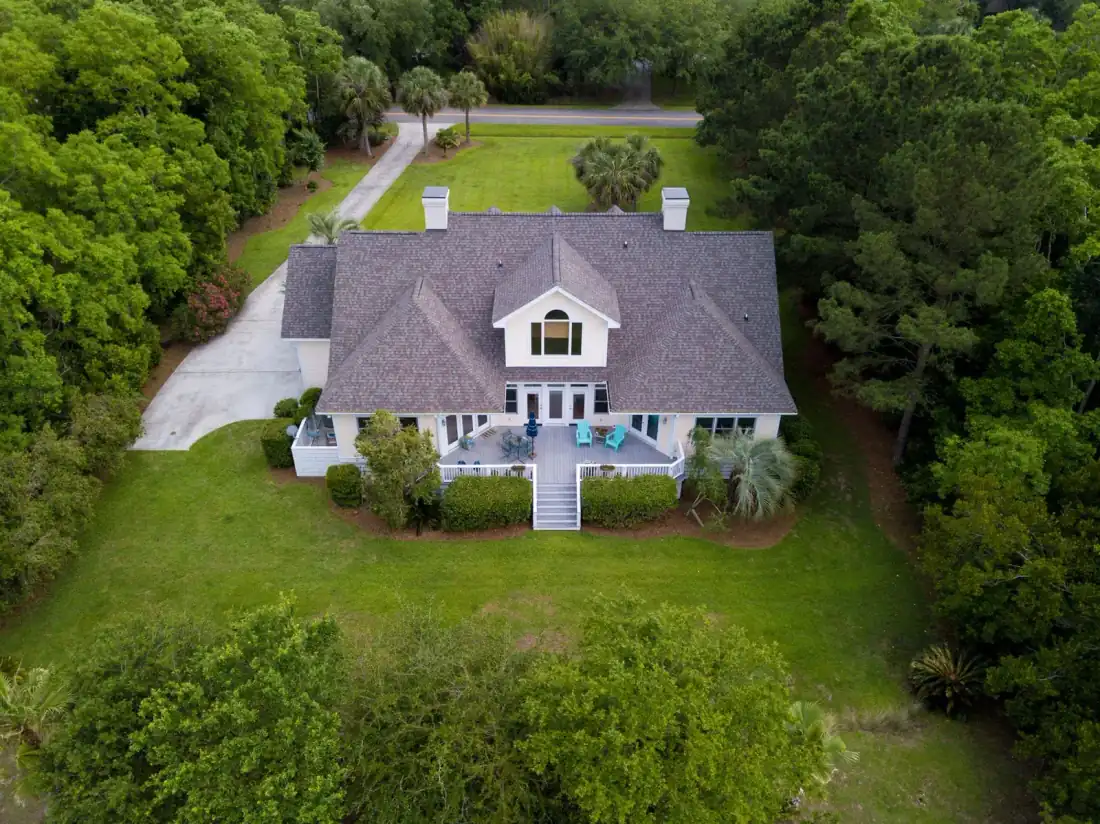
Cost to Build a House in Citrus County FL: 2027 Guide
In most Florida counties the floor plan sets the budget and the lot adjusts it. Citrus County works the other way around. Between Crystal River and Homosassa, three site conditions that have nothing to do with your plan can move a build by six figures: how high the county makes you elevate, whether the springs rule forces an enhanced septic system, and what the limestone under the lot turns out to be doing. Here is what each one costs in real numbers, and how to price a Citrus lot before you fall in love with it.
Read ArticleReady to Build?
Get your free evaluation today.
No-pressure consultation. We serve Hernando, Pasco, and Citrus counties. Call us now or request a visit online.