
Blog
Tear Down and Rebuild vs Remodel in Florida: The Break-Even Point Where Rebuilding Wins
Call (352) 710-5455Tear down and rebuild beats a remodel in Florida when the remodel estimate gets close to the cost of a new home for the same finished result, or when flood and wind rules make a deep renovation harder than building new. This guide compares 2026 costs for both paths, explains the Florida factors that tip the decision and walks through a planning example for Hernando, Pasco and Citrus county homes.
The Question Behind Every Major Florida Renovation
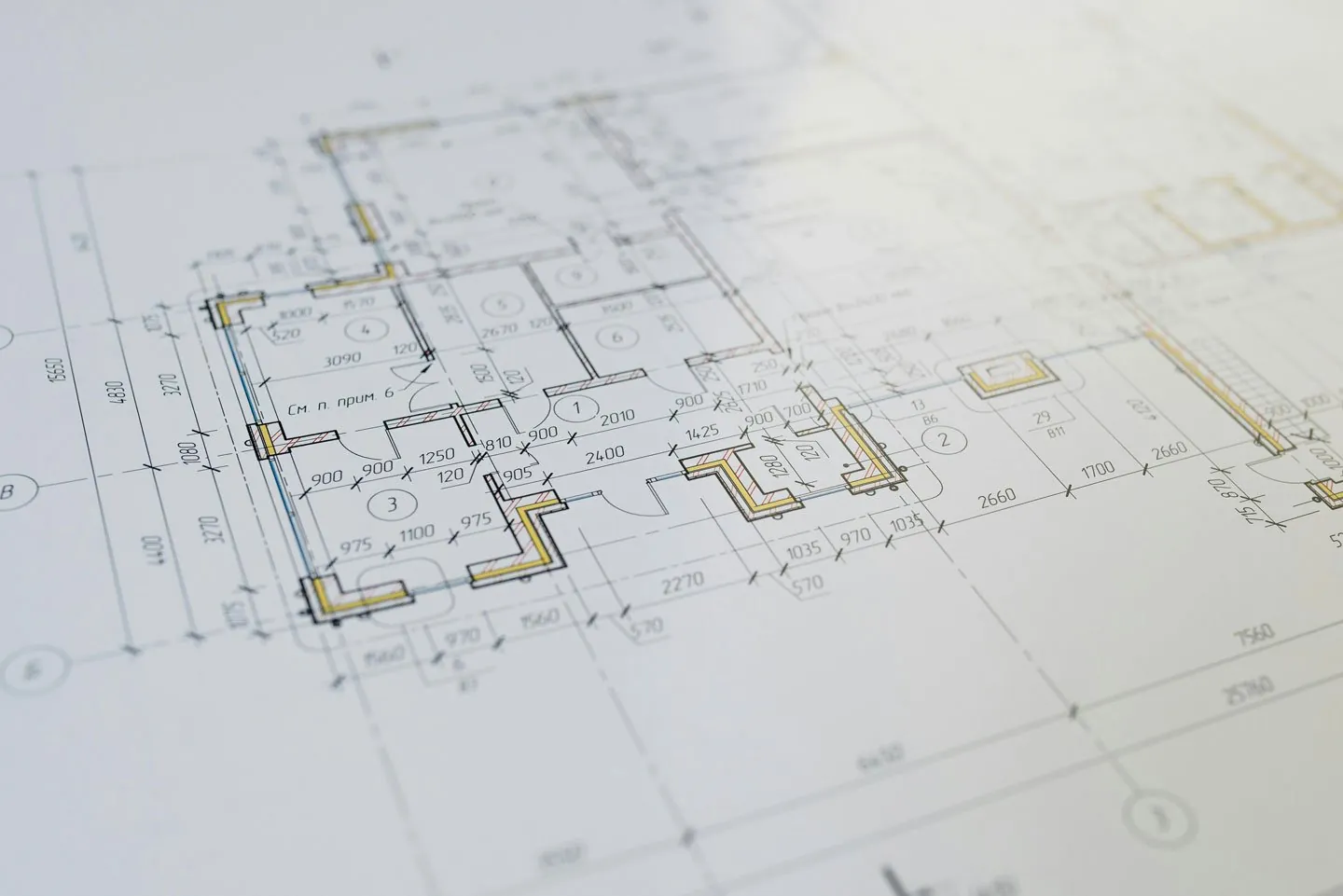
Every week we meet homeowners in Hernando, Pasco and Citrus counties who love their lot and are tired of their house. The neighborhood is right, the trees are mature, the kids are settled in school, but the home itself is a 1970s or 1980s block house with a cramped layout, tired systems and a roof, windows and wiring that all need attention at the same time. The natural question is whether to remodel what is there or knock it down and start over.
There is no universal answer, but there is a clear way to find yours. Remodeling wins when the structure is sound and the changes are mostly surface and systems. Rebuilding wins when the scope of the remodel starts to look like a new house anyway, or when Florida rules such as the FEMA 50 percent rule make a deep remodel more complicated than a new build. Between those two lies a break-even zone, and the goal of this guide is to help you see where your project sits.
We will walk through 2026 cost ranges for both paths, the Florida-specific factors that tip the scale, a planning example with real math and the questions to ask before you commit either way.
What Tear Down and Rebuild Really Costs in Florida
A tear down and rebuild has three cost blocks: demolition, site preparation and the new home itself. Each one is predictable once the lot has been looked at.
- Demolition: National guides put residential demolition at roughly $4 to $17 per square foot. Home Depot's cost guide lists an average of about $18,000 to demolish a house, with a typical range of $3,000 to $25,000. Block homes, larger footprints, pools that need to be removed and tight access push the number up.
- Asbestos and hazardous materials: Homes built before the 1980s may contain asbestos in flooring, popcorn ceilings, siding or pipe insulation. Florida DEP guidance says single-family homes and residential buildings with four or fewer units that are not part of a larger project are generally excluded from federal NESHAP notification rules, but county programs can be stricter, and a survey before demolition protects the crew and you.
- Utility disconnects and site work: Power, water, sewer or septic and gas have to be capped before demolition. A new home may also need a new driveway apron, updated septic or a new connection, grading and fill if the lot sits low.
- The new home: Our own 2026 pricing for Hernando County runs about $150 to $200 per square foot for builder grade, $200 to $275 for mid-range custom and $250 to $400 for high-end custom. Most families land between $200 and $275 per square foot for the vertical build.
Add design, engineering, surveys and permits on top. Our guide to the cost of building a custom home in Hernando County breaks those soft costs down line by line.
What a Major Remodel Really Costs
Remodel pricing depends almost entirely on scope. A cosmetic refresh with paint, flooring and fixtures is a different project from a gut renovation that strips the house to its block walls and slab.
- Cosmetic and partial remodels: Kitchens, baths, flooring and paint in the same layout. These are almost always cheaper than rebuilding and are not part of this decision.
- Gut renovation: National cost guides put a full gut renovation at roughly $100 to $250 or more per square foot, depending on how much structure changes and the finish level. On a 2,000 square foot home that is about $200,000 to $500,000.
- Structural remodel: Moving bearing walls, raising ceilings, re-roofing with new trusses, adding square footage or bringing an older home up to current wind and flood standards pushes a remodel toward the top of that range and sometimes past it.
The hidden variable is what you find once walls and floors are open. Older Florida homes can hide termite damage, corroded cast iron drain lines under the slab, undersized electrical service and roof-to-wall connections that predate modern hurricane straps. Good remodel bids carry a contingency of 10 to 20 percent for exactly this reason.
The Break-Even Point: When Rebuilding Starts to Win
Contractors use different rules of thumb, and none of them is a law. The practical way to compare is to price both paths on the same finished result, then look at what you actually get for the money.
Here is a planning example, not a quote, for a 1,800 square foot 1980s block home on a lot in Spring Hill that the owners want to turn into a 2,200 square foot open-plan home with three bedrooms, an office and an owner suite.
- Remodel path: Gut renovation of 1,800 square feet at about $175 per square foot is roughly $315,000. A 400 square foot addition at $220 to $350 per square foot adds roughly $88,000 to $140,000. With a 15 percent contingency, the total lands around $465,000 to $525,000, and you still have a 1980s slab, original block walls and an older roof framing system under the new finishes.
- Rebuild path: Demolition and site preparation at roughly $20,000 to $40,000, plus a new 2,200 square foot home at $200 to $240 per square foot ($440,000 to $528,000), plus design and permits. The total lands around $480,000 to $590,000 for a home built entirely to the current Florida Building Code, with new slab, new structure and new systems.
In this example, the two paths overlap. For roughly the same money, the rebuild delivers a new home with a new warranty and current-code structure, while the remodel keeps the old bones. That overlap is the break-even zone. When the remodel estimate gets within about 10 to 20 percent of the rebuild estimate for the same finished home, rebuilding deserves a serious look. When the remodel is half the cost of rebuilding, remodeling usually wins.
Florida Factors That Tip the Scale
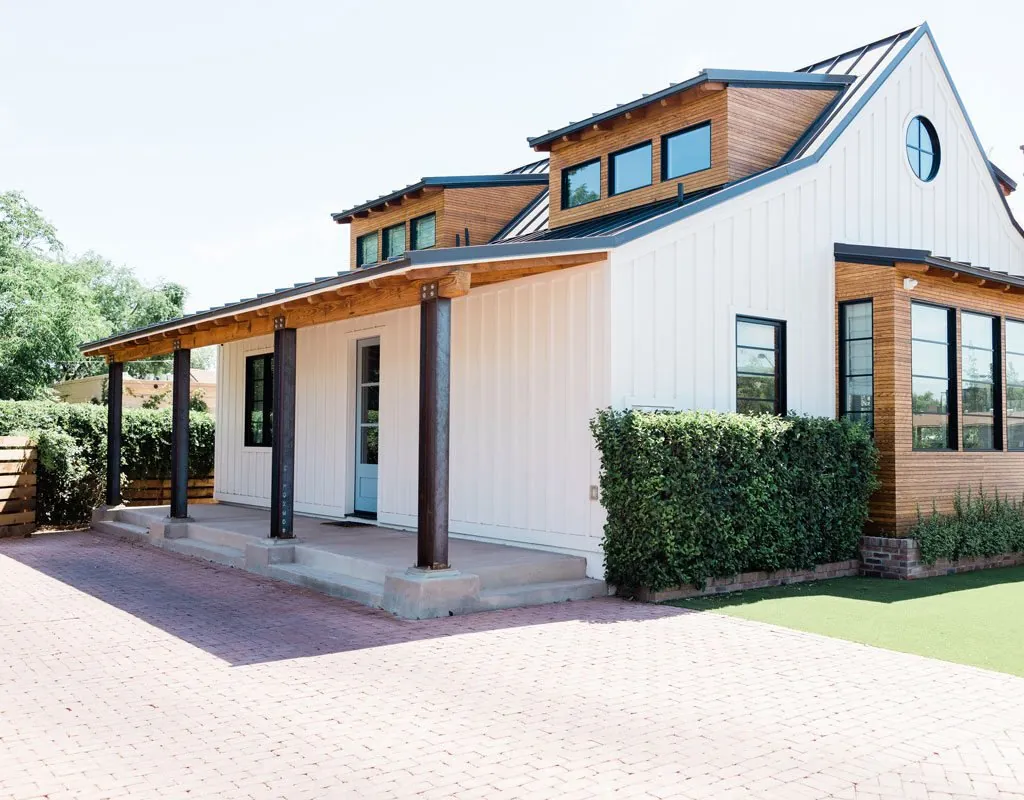
Several things specific to Florida push the decision one way or the other, and most of them favor rebuilding on older homes.
- The FEMA 50 percent rule: In a Special Flood Hazard Area, if the cost of improvements reaches 50 percent of the structure's market value, the whole home must be brought into compliance with current flood rules, which can mean elevating it. Some jurisdictions publish a lower threshold. On a modest home in a flood zone, a deep remodel can hit that line quickly. Our guide to the FEMA 50 percent rule in Florida explains how the number is calculated.
- Wind code generation: Homes built before the post-Andrew code changes and the statewide Florida Building Code that took effect in 2002 were designed to older standards. A remodel can add straps, impact windows and a new roof, but a new home is engineered for current wind loads from the footing up. The 9th edition of the Florida Building Code is scheduled to take effect on December 31, 2026.
- Insurance: New homes built to current code generally qualify for strong wind mitigation credits and are easier to insure than older homes with aging roofs and systems. A remodel can earn some of those credits back, but not all of them.
- Impact fees: A new home normally pays impact fees. Hernando County code provides that replacing a previously existing permitted structure is not assessed impact fees when the owner can document the prior structure, including square footage and use. Ask the county how that applies to your rebuild before you budget, because it can be a five-figure difference.
- Septic and utilities: On older lots with septic, a rebuild may trigger an upgraded system. Confirm requirements with the county and the health department early.
When Remodeling Is Clearly the Better Choice
Rebuilding is not always the answer, and we tell homeowners that directly.
- The structure is sound: A solid block home with a good slab, reasonable roof framing and no serious termite or water damage is a strong remodel candidate.
- You like the layout: If most rooms stay where they are, a remodel puts the money into finishes and systems you will actually see and use.
- Setbacks have changed: Older homes sometimes sit closer to the property line than current zoning allows. Tearing down can mean the new house must follow current setbacks and end up smaller on a narrow lot. Check zoning before you demolish.
- Budget and timing: A phased remodel can be spread over years and done while you live in part of the house. A rebuild requires moving out for the full build, often 9 to 14 months from design to keys.
- Character and value: Some homes, especially on larger rural lots, have features worth keeping. A thoughtful renovation can preserve them.
If the remodel path makes sense, our home remodeling team handles everything from kitchen and bath work to whole-home renovations, and our local page for home remodeling in Brooksville shows recent projects.
When Rebuilding Is Clearly the Better Choice
- Structural problems: Foundation settlement, extensive termite damage, failing roof framing or repeated water intrusion through the slab or walls.
- Everything needs replacing at once: Roof, windows, electrical, plumbing, HVAC and layout all at the end of their life. At that point you are paying remodel prices to build a new house inside an old shell.
- Flood zone limits: When the FEMA 50 percent rule would force elevation anyway, building new and elevated from the start is often simpler.
- A layout that fights you: Low ceilings, chopped-up rooms and bearing walls in the wrong places cost a lot to fix and still leave compromises.
Our custom home building service covers the full rebuild path, from demolition coordination to final inspection. Families in the Spring Hill area can also see our page on new construction in Spring Hill.
Questions to Ask Before You Decide
- What does the structure look like?: Get an inspection focused on the slab, framing, roof structure and termite history, not just cosmetic items.
- What is the flood zone and structure value?: These two numbers tell you whether the 50 percent rule is in play.
- What do current setbacks and zoning allow?: Confirm the size of home you can build after demolition.
- Can I get both options priced on the same result?: Ask a builder who does both remodels and new homes to price the same finished home both ways, with line items.
- What happens to impact fees and utilities?: Ask the county about impact fee treatment for a replacement home and about septic or sewer requirements.
Comparing materials for the rebuild is part of the same conversation. Our article on concrete block vs wood frame in Florida covers that choice.
Get Both Options Priced With Protech Construction
Protech Construction is a licensed Florida building contractor, license CBC1268979, based at 9035 Jayson Dr, Brooksville, FL 34613. Because we build new homes and handle major remodels, we can price both paths for your lot side by side, with the same finish level and the same line items, so the comparison is honest. Our construction management team coordinates inspections, engineering, permits and flood-zone review for either path.
We work across Hernando, Pasco and Citrus counties, including Brooksville, Spring Hill, Hudson, Dade City, New Port Richey and Crystal River. Call (352) 710-5455 to walk through your home and your lot, and we will help you find the point where rebuilding wins or show you why remodeling is the smarter move.
FAQ
Frequently Asked Questions
Is it cheaper to tear down and rebuild or remodel in Florida?
+
How much does it cost to demolish a house in Florida?
+
Does the FEMA 50 percent rule affect a remodel decision?
+
Do I pay impact fees if I tear down and rebuild in Hernando County?
+
How long does a tear down and rebuild take?
+
When should I remodel instead of rebuilding?
+
Keep Reading
More articles from the Protech Construction blog
Adding a Second Story in Florida: Why Foundation and Wind Load Make It Cost More Than You Think
Adding a second story in Florida often costs more per square foot than building out or even building new. Here is what drives the price, from footing reinforcement and hurricane wind load to the FEMA 50 percent rule, with 2026 planning ranges.
Read Article
Barndominiums in Florida: What a Post-Frame or Block Barndo Really Costs to Build to Code in 2027
A finished barndominium in Florida typically costs about $130 to $200 per square foot before land, well, septic and fees. Here is how shell and finished pricing differ, what Florida wind code adds and a sample budget for a rural Hernando lot.
Read Article
Impact Windows vs Hurricane Shutters in Florida: Cost, Insurance Credits and 10-Year Value
Impact windows and hurricane shutters can both meet Florida code and earn the same insurance credit. Here is how they compare on 2026 cost, daily convenience, storm performance and 10-year value for a new build or remodel.
Read ArticleReady to Build?
Get your free evaluation today.
No-pressure consultation. We serve Hernando, Pasco, and Citrus counties. Call us now or request a visit online.