Blog
Wind Mitigation Inspections in Florida: Which Build Features Cut Your Home Insurance the Most
Call (352) 710-5455Why the Wind Mitigation Inspection Matters More on a New Build
Most Florida homeowners first hear about the wind mitigation inspection from an insurance agent, usually right after a renewal notice with a number they did not expect. The inspection is short, it is cheap, and it decides how much of your windstorm premium you actually pay. For an older house it is a way to find credits you already earn. For a new home it is something better: a chance to decide, before the walls go up, which features will be on the form.
This guide explains the inspection from the builder's side of the table. We cover what the state form measures, which build features carry the most weight, what changed with the April 2026 version of the form, who is allowed to sign it, what it typically costs, and what you should keep from your construction file so the inspector can give you every credit you paid for. Where a number comes from the state, we say so. Where it comes from the market, we say that too.
What a Wind Mitigation Inspection Is, and What It Is Not
A wind mitigation inspection documents the construction features of your home that reduce hurricane damage. The inspector records them on the state's Uniform Mitigation Verification Inspection Form, known as the OIR-B1-1802, with photographs of each feature. You send that form to your insurer, and the insurer applies the discounts it has on file for those features.
The legal basis is Florida Statute 627.0629, which requires insurers to offer discounts, credits or rate differentials for construction features that reduce windstorm loss. Those discounts apply only to the windstorm portion of the premium, not to the whole policy, which is why two homes with the same total premium can see very different savings.
It is not a home inspection. The inspector is not checking your plumbing, your appliances or the age of your water heater. It is also not a four-point inspection, which insurers use on older homes to look at the roof, electrical, plumbing and HVAC condition. The wind mitigation form only asks how well the house is built to resist wind.
The Features on the Form, Ranked by What You Can Control When You Build
The Florida Department of Financial Services consumer guide on premium discounts (July 2026 edition) lists the features that can earn credit. Here is each one, with what it means on a new build.
- Building code compliance: the form first asks whether the home was built to the 2001 Florida Building Code or later. According to the DFS guide, homes built to the 2001 code or a later edition are automatically eligible for a minimum 68% discount on the windstorm portion of the premium, because those codes already require a stronger roof covering, roof deck attachment and roof-to-wall connection. Every new home we build today is in this group.
- Roof covering: shingles, tile, metal or other coverings that meet the current Florida Building Code, documented with a permit date or product approval. On a new build this is automatic, but the paperwork still matters.
- Roof deck attachment: the size and spacing of the nails or fasteners that hold the roof sheathing to the trusses. Tighter, longer fasteners resist uplift better. The inspector grades the weakest form present, so one section installed to a lower standard pulls the whole rating down.
- Roof-to-wall attachment: how the trusses connect to the walls. The form recognizes clips, single wraps and double wraps, from weakest to strongest. This is where new construction has its biggest advantage, because choosing a stronger connector during framing is a hardware line item, not a renovation.
- Roof geometry: a hip roof, sloped on all four sides, is the most wind resistant shape and qualifies for its own credit. A small gable feature can still count as hip if non-hip features stay under 10% of the roof perimeter.
- Secondary water resistance: a sealed layer between the roof covering and the deck, so that if shingles or tiles blow off, water does not pour into the attic. On a new roof this is a modest upcharge with a real payoff.
- Opening protection: impact-rated windows, doors, skylights and garage doors, or approved shutters on every opening. The form grades the least protected opening, so one unprotected door can cost the whole credit.
Three of these, roof shape, roof-to-wall connection and opening protection, are almost entirely decided at the design stage. That is the practical difference between a new build and a retrofit, and it is why we bring them up in the first plan meeting for every custom home we build in Hernando, Pasco and Citrus counties.
Which Build Features Cut Your Insurance the Most
Insurers file their own credit tables with the state, so there is no single percentage that applies everywhere. Since October 2023, Florida residential insurers have had to post their hurricane mitigation discounts on their websites, so you can look up your carrier's numbers before you decide. In practice, the pattern on a new home looks like this:
- The code baseline does most of the work: the 68% minimum for 2001-code homes is the single biggest number on the form, and you get it by building new. Everything below is on top of that.
- Opening protection is usually the largest optional credit: the full credit requires every opening to be protected, including the garage door and any sidelights. Our comparison of impact windows vs hurricane shutters covers cost and how each earns the credit.
- Hip roof geometry: a design choice made on paper, often at little or no added cost when the plan is drawn for it from the start.
- Double wraps instead of clips: a connector upgrade during framing. Ask what it costs on your plan before deciding it is not worth it.
- Secondary water resistance: cheap to add on a new roof, expensive to add later because it means a reroof.
The honest caveat: the more of these a house already has, the smaller each additional credit becomes, because the discounts do not stack in a straight line. Ask your agent to price the policy with and without a feature before you pay for it. We go deeper on the structural side in our guide to what the Florida wind code requires of new homes.
What Changed With the April 2026 Form
The OIR-B1-1802 had not been revised since January 2012. The Florida Cabinet approved a new version in September 2025, and the Office of Insurance Regulation made it mandatory for inspections conducted on or after April 1, 2026. Inspections done before that date could still use the old form.
The main change affects roof-to-wall attachment. The new form adds performance-based options, so clips, single wraps and double wraps can be rated by the tested and documented uplift capacity of the connector, not only by how it looks wrapped around the truss. Simpson Strong-Tie's engineering summary of the revision gives the thresholds as 535 pounds for the single wrap category and 891 pounds for the double wrap category, with installation per the manufacturer's specifications and documentation to prove it. Final classification is still up to the inspector in the field and the insurer.
For a new home, that change is good news if the paperwork exists. A connector schedule that names the exact product and model used at each truss, plus photos taken during framing, makes it far easier for an inspector to rate the connection correctly years later, when the attic is full of insulation.
Who Can Sign the Form
Florida Statute 627.711 lists who an insurer must accept the form from. The list includes:
- Licensed home inspectors: with at least 3 hours of approved hurricane mitigation training and a passed proficiency exam.
- Certified building code inspectors: certified under section 468.607.
- Licensed contractors: general, building or residential contractors licensed under section 489.111.
- Professional engineers and architects: licensed in Florida.
The person named on the form has to perform the inspection personally, although licensed contractors and engineers may have a direct employee do it. Insurers may verify a form at their own expense, and Citizens says it may order an independent inspection on any form it receives. Knowingly submitting a false form to get a discount is a first-degree misdemeanor under 627.711, so a cheap inspection that marks features you do not have is not a bargain. Verify any inspector's license on MyFloridaLicense.com before you book.
How Long the Form Lasts and When to Redo It
According to the Office of Insurance Regulation, a completed form is valid for up to five years, as long as no material changes are made to the structure and no inaccuracies are found. That five-year clock is a reason to keep your copy somewhere you can find it.
Redo it sooner if you change something that affects a rating:
- New roof: a reroof can improve the roof covering, deck attachment and secondary water resistance answers at once.
- New windows or doors: adding impact-rated openings, or replacing the garage door with a rated one, can move the opening protection answer.
- Additions: a room addition or a second story changes the roof and the openings. If you are planning one, ask that the new work be built to earn the same credits as the rest of the house. Our home additions team plans the connectors and openings with that in mind.
- Storm repairs: after a hurricane, repairs that rebuild the roof or openings are a good moment to upgrade and reinspect. See our storm damage restoration service for how we handle that work.
What It Costs and How the Inspection Goes
There is no state fee schedule. Inspectors set their own price, and most published ranges for a single-family home fall roughly between $75 and $200, depending on the area and whether it is bundled with a four-point or home inspection. Compare that with a premium where the windstorm portion is often the largest piece, and the inspection usually pays for itself on the first renewal.
The inspection itself takes about an hour on a typical house. What makes it go well:
- Attic access: Citizens notes that without attic access, the inspector cannot verify roof deck attachment, roof-to-wall attachment or secondary water resistance, and you may lose those credits. Clear the hatch.
- Someone present: if you cannot be there, Citizens allows a representative who is at least 18 and knows where the attic access and any stored shutters are.
- Documents ready: permits, product approval or Notice of Acceptance numbers, invoices and work orders help the inspector credit features that are not visible.
- Shutters out: if you rely on stored panels, have them where the inspector can see and photograph them.
The Construction File That Earns Every Credit You Paid For
The most common reason a well-built home gets a weak form is missing proof. The inspector can only credit what can be seen or documented. On every home we build, we recommend you keep these in one folder:
- The permit and certificate of occupancy: they establish the code edition the home was built under.
- Sealed structural drawings: with the design wind speed, exposure category and the connector schedule.
- Framing photos: roof-to-wall connectors and roof deck nailing, taken before insulation and drywall. Five minutes with a phone during framing can be worth years of credit.
- Roofing documents: the roofing permit, product approval for the covering and proof of the secondary water barrier.
- Opening protection records: product approval or Notice of Acceptance numbers for every window, door, skylight and the garage door.
Our construction management service builds this file as the project goes, so it is ready the day you close. If you are comparing builders, ask each one whether they will hand you this documentation. It is a good test of how carefully the house is being built.
My Safe Florida Home: Check the Current Status Before You Count on It
The state's My Safe Florida Home program, run by the Department of Financial Services, has offered free wind mitigation inspections and matching grants for retrofits on existing homes. Its funding has opened and closed several times as the Legislature added money and applications ran ahead of it, and eligibility has been limited to certain homeowners. It is aimed at hardening existing houses, not new construction. If you own an older home, check mysafeflhome.com for the current status before scheduling a paid inspection. Our comparison of hurricane retrofit vs new build cost explains when a retrofit makes sense and when it does not.
Building for the Form in Hernando, Pasco and Citrus
Every new home we build already starts with the code baseline. The extra credits come from decisions in the first weeks of design: roof shape, connector choice, opening protection and the secondary water barrier. We price those options side by side so you can see the upgrade cost next to the insurance effect your agent quotes, and decide with real numbers.
If you are planning a build in Brooksville, Spring Hill, Hudson or New Port Richey, call Protech Construction at (352) 710-5455 or start with our home floor plans. Protech Construction Services is a licensed Florida certified building contractor, CBC1268979, based at 9035 Jayson Dr, Brooksville, FL 34613.
FAQ
Frequently Asked Questions
What is a wind mitigation inspection in Florida?
+
How much does a wind mitigation inspection cost in Florida?
+
How long is a wind mitigation report good for?
+
Do new homes need a wind mitigation inspection?
+
Who is allowed to do a wind mitigation inspection in Florida?
+
What changed on the wind mitigation form in 2026?
+
Keep Reading
More articles from the Protech Construction blog
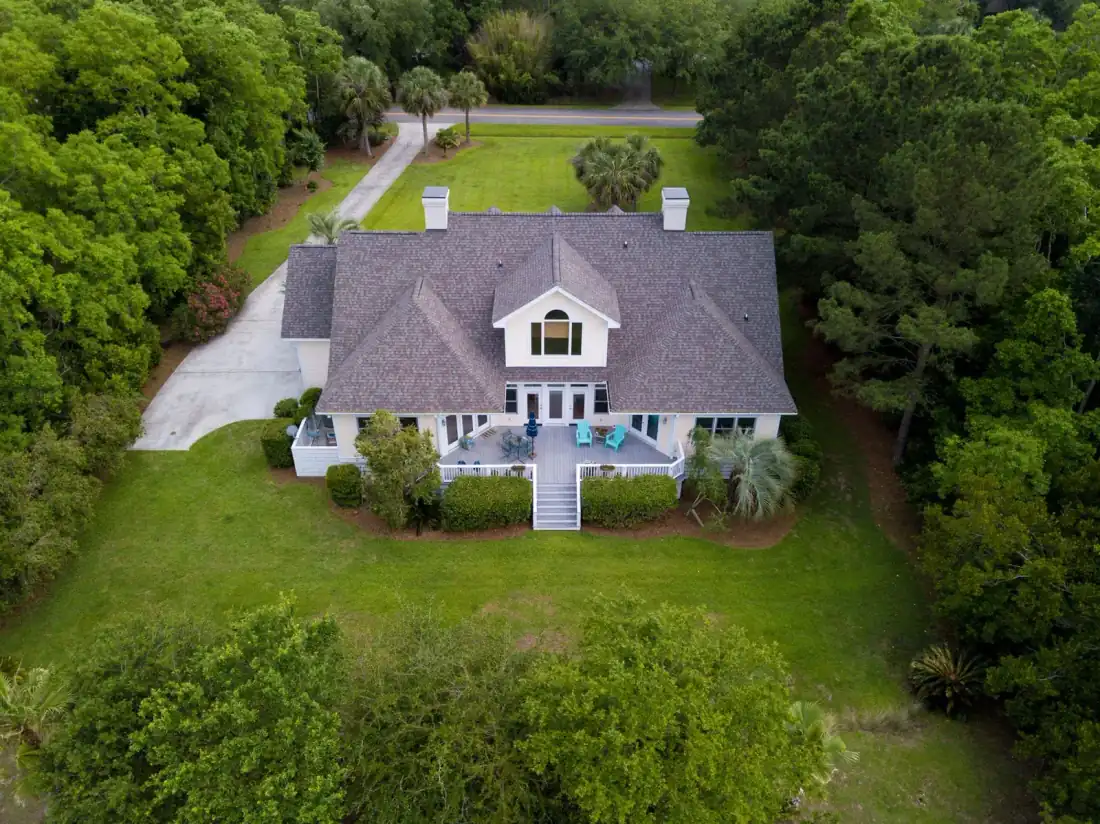
New Construction Closing Costs in Florida: The 9 Fees Buyers Forget Beyond the Build Price
The nine closing costs Florida new-construction buyers forget: deed and mortgage doc stamps, intangible tax, promulgated title insurance, recording, lender and appraisal fees, escrow, the first-year property tax jump, survey and HOA charges, with a worked example.
Read Article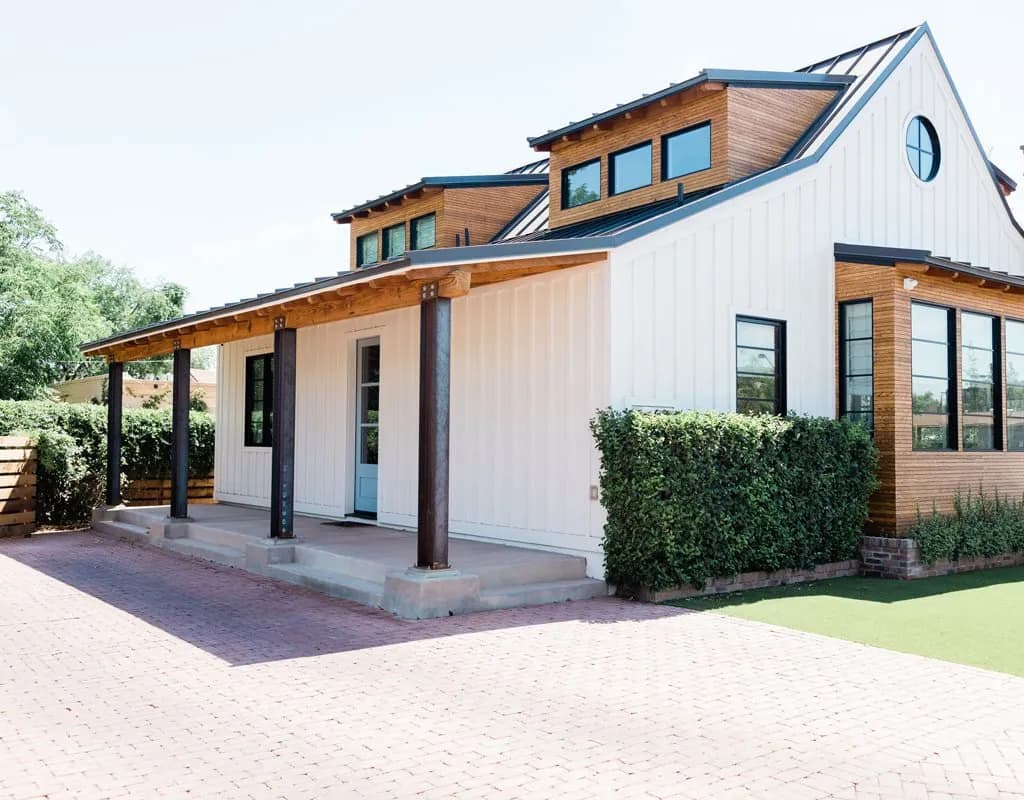
2027 New-Home Trends in Florida: 8 Design and Build Choices Buyers Ask For (and 3 That Fade)
Eight design and build choices Florida buyers are asking for going into 2027, from flex rooms and concrete block to the 9th Edition Florida Building Code and energy efficiency after the federal credits ended, plus three choices that are fading.
Read ArticleBuilding a Duplex in Florida: Construction Cost, Zoning and Rental Math for Hernando and Pasco Lots
How much it costs to build a duplex in Hernando, Pasco and Citrus counties in 2026: cost per square foot, the 1-hour fire separation wall, per-unit impact fees and utilities, zoning, a sample budget, homestead rules for owner-occupied duplexes and a simple rental check.
Read ArticleReady to Build?
Get your free evaluation today.
No-pressure consultation. We serve Hernando, Pasco, and Citrus counties. Call us now or request a visit online.