Blog
Well and Septic Cost in Florida: What Rural Hernando, Pasco and Citrus Lots Add Before You Pour
Call (352) 710-5455On a rural lot without county water and sewer, a private well and septic system commonly add $15,000 to $30,000 to a custom home, and more when the lot needs an enhanced nitrogen-reducing septic system. Soil, groundwater, lot size and springs protection rules decide where you land. Here is how to price both before you buy the land.
What Well and Septic Add to a Rural Florida Build
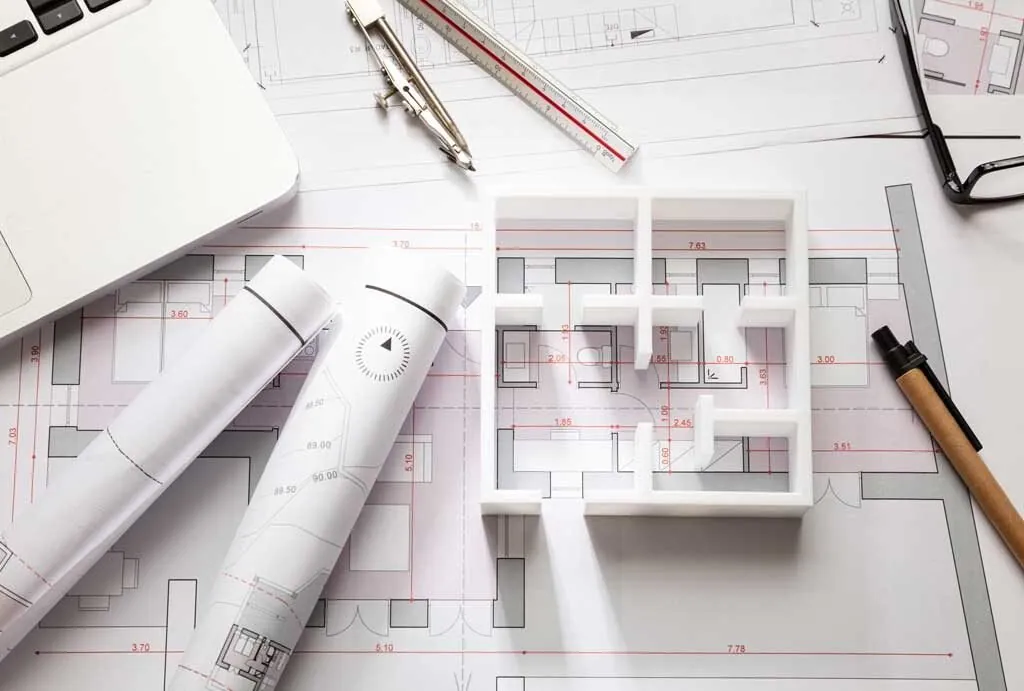
Some of the best building lots in Hernando, Pasco and Citrus counties sit just outside the reach of county water and sewer. An acre near Brooksville, a wooded parcel off a county road north of Dade City, a few acres outside Inverness. The land price looks like a bargain next to a lot in a subdivision with utilities at the curb. Then the first question from the builder is not about floor plans. It is about water and wastewater, because without a water main and a sewer line, the lot needs its own well and its own septic system before anyone can live in the house.
Well and septic are not exotic. Thousands of homes in our three counties run on them. But they are a real line item, they need their own permits before the building permit can move, and the rules changed in 2023 in a way that made septic more expensive on many small rural lots. Families who budget for them up front build on schedule. Families who discover them after closing on the land often lose months and tens of thousands of dollars.
This guide breaks down what a well and a septic system cost on a rural lot in our area in 2026, what drives the price up or down, which permits come first, how the nitrogen-reducing septic requirement works and how to estimate both before you buy. If you are still choosing land, start with our Brooksville lot buying guide, which covers soil, flood zones and access. This article focuses only on the cost of water and wastewater.
Well and Septic Cost in Florida: The Planning Ranges
Here are the planning ranges we use on rural custom homes in Hernando, Pasco and Citrus counties. They are budgeting numbers, not quotes, and each is explained in the sections below:
- Private potable well, drilled, cased, pump and pressure tank: about $8,000 to $15,000 for a typical single-family home.
- Water treatment equipment: about $2,000 to $5,000, because most wells in our area need treatment for sulfur, iron or hardness.
- Conventional septic system, tank and drainfield: about $6,000 to $12,000 installed, with easy sites at the low end and difficult soils at the top.
- Enhanced nutrient-reducing septic system: about $15,000 to $35,000 installed, where state rules require one.
- Well and septic together on a conventional site: commonly $15,000 to $30,000, which is the line we carry in our Hernando custom home budgets when the lot is not on county utilities.
The spread is wide for honest reasons. Two lots a mile apart can have very different groundwater depth, soil, water quality and septic rules. That is why we never treat well and septic as a fixed allowance until the soil work is done. Our Hernando County custom home cost guide shows where this line sits in a full budget next to impact fees, site prep and the house itself.
What Drives the Cost of a Private Well
A private well is a drilled hole, a casing that keeps the hole open and sealed, a pump, a pressure tank and the piping and electrical that tie it to the house. Most of the price swing comes from four things:
- Depth: Drilling and casing are priced largely by the foot. Much of our area draws from the Floridan aquifer in limestone, and the depth to a good water-producing zone varies across the three counties. Neighbors' well records and the driller's knowledge of the area are the best early guide.
- Casing and grouting: The casing has to reach competent rock and be sealed so surface water cannot run down the outside of the pipe. Deeper casing means more cost.
- Pump and tank: A larger home, an irrigation system or a pool raises the flow the pump has to deliver, which changes pump size, tank size and electrical.
- Distance to the house: The well usually sits away from the house and well away from the septic drainfield, so trenching and pipe length add up on large lots.
Then there is water quality. Well water in west-central Florida commonly carries hydrogen sulfide, the rotten-egg smell, plus iron that stains fixtures and hardness from the limestone. A lab test after the well is drilled tells you what treatment you need. Budget for it from the start, because nobody wants to live with the smell, and staining ruins new fixtures quickly.
Well construction is regulated. In Hernando, Pasco and Citrus counties, the Southwest Florida Water Management District requires a well construction permit before a water well is installed, and the work must be done by a licensed water well contractor. The contractor normally pulls that permit. Ask for the permit number and the completion report and keep them with your house documents.
What Drives the Cost of a Septic System
A conventional septic system is a tank that settles solids and a drainfield that spreads the liquid into the soil, where the soil does the final treatment. The cost depends on:
- Size of the house: Florida sizes the system to the expected daily flow, which is tied to bedrooms and square footage. A four-bedroom home needs a larger tank and drainfield than a two-bedroom home.
- Soil: Sandy, well-drained soil makes a smaller and cheaper drainfield possible. Clay layers, hardpan or shallow limestone make it larger or force a different design.
- Water table: The bottom of the drainfield has to stay a minimum distance above the seasonal high water table. On lower lots, that means a mounded system built up with fill, which can add thousands of dollars in fill, hauling and retaining.
- Lot layout: The tank and drainfield must meet setbacks from the well, the house, property lines and surface water, so a small or oddly shaped lot can push the system into a more expensive spot.
The setback that shapes most rural layouts is the distance between the drainfield and the well. Florida's onsite sewage rule, 62-6.005 of the Florida Administrative Code, sets a minimum of 75 feet from a private potable well. On a half-acre lot, fitting the house, driveway, well and drainfield with that separation takes real planning. On an acre or more it is usually easy, as long as it is drawn before the house is placed.
The Nitrogen-Reducing Septic Rule and Why It Matters Here
The biggest change to rural building costs in our area in recent years came from House Bill 1379, which Florida passed in 2023. Starting July 1, 2023, a new septic system serving a lot of one acre or less inside a Basin Management Action Plan area, a Reasonable Assurance Plan area or a Pollution Reduction Plan area must be an enhanced nutrient-reducing system when sewer is not available. According to the Florida Department of Environmental Protection, those systems must achieve at least 65 percent nitrogen reduction compared with a standard septic tank.
This matters in Hernando, Pasco and Citrus because a large share of the region drains to springs and spring-fed rivers, including Weeki Wachee, Rainbow, Crystal River and Homosassa, and the state manages those springsheds with nitrogen reduction plans. DEP also publishes a separate springs map with enhanced septic requirements that apply on top of the HB 1379 rule. A lot of one acre or less in one of those areas will likely need the enhanced system, which is why our planning range jumps from about $6,000 to $12,000 for conventional to about $15,000 to $35,000 for enhanced.
Two practical points. First, lot size matters: the HB 1379 trigger is one acre or less, so a buyer comparing a 0.9-acre lot and a 1.2-acre lot in the same area may be comparing very different septic bills. Second, enhanced systems usually come with ongoing maintenance or service requirements, so ask about the yearly cost, not just the install. Check the DEP map and confirm with the permitting office before you make an offer on the land.
Permits Come First: The Order That Keeps Your Build Moving
Well and septic permits sit in front of the building permit, not beside it. A typical sequence on a rural lot looks like this:
- Survey and site plan: A boundary survey and a site plan showing the house footprint, driveway, well and drainfield locations.
- Soil evaluation: Soil borings at the proposed drainfield to classify the soil and find the seasonal high water table. This is the step that decides between a standard and a mounded system.
- Septic construction permit: The application with the site plan and soil data. Florida's onsite sewage program moved from the Department of Health to the Department of Environmental Protection, and local environmental health offices still handle much of the intake, so ask the county which office receives your application. State and local fees for application, site evaluation and inspection typically total a few hundred dollars, separate from the system itself.
- Well construction permit: Pulled through the water management district by the licensed well contractor.
- Building permit: The county building department generally wants the approved septic permit, and the water source, before it will issue the building permit.
- Inspections and final approval: The septic installation is inspected before it is covered, and the system gets final approval before the certificate of occupancy.
The septic permit and soil work can take several weeks, so start them as soon as you own the land, or even during the inspection period on the purchase contract. That way they run in parallel with your plans and engineering instead of after them.
Utilities vs Well and Septic: Is a Rural Lot Still Worth It?
A lot with county water and sewer at the street has its own costs: tap and connection fees, capacity charges and a monthly water and sewer bill for as long as you live there. A rural lot trades those for a higher up-front well and septic bill, a little electricity for the pump, occasional septic pumping and treatment maintenance. Over the life of the house, the gap is often smaller than the first quote suggests.
What usually decides it is the land price and the lifestyle. If an acre with well and septic costs far less than a quarter-acre in a subdivision, the savings on land can cover the systems with room to spare. Owners who want space for a workshop, animals, a pool or a future ADU on the same property often find that a rural lot is the only way to get it. Just plan the septic for the house you will eventually have, not only the first phase, because a second dwelling may need a larger system or a second one.
A Planning Example: Two Rural Lots, Two Septic Bills
Here is a simple illustration, not a quote. Picture two families building the same three-bedroom custom home in Hernando County.
- Family A, 1.5 acres, sandy soil, outside a nitrogen-reduction area: conventional septic around $8,000, a well around $10,000 and treatment around $3,000. Water and wastewater lands near $21,000.
- Family B, 0.75 acre inside a springs nitrogen-reduction area with a higher water table: an enhanced system around $25,000 with some fill, a well around $11,000 and treatment around $3,500. Water and wastewater lands near $39,500.
Same house, same county, an $18,500 difference before a single wall goes up. Family B's lot may still be the right choice, but only if that number was in the offer price. This is why we ask for the soil evaluation, the nitrogen-reduction map check and a driller's estimate before a client closes on rural land.
How to Estimate Well and Septic Before You Buy Land
You do not need a full design to get close. Before you make an offer, or during your inspection period:
- Ask the seller and neighbors: Nearby well depths and the type of septic systems on adjacent lots are strong clues.
- Check the DEP maps: Find out whether the parcel is inside a BMAP, springs or other nitrogen-reduction area, and note whether the lot is over or under one acre.
- Order a soil evaluation: It costs a fraction of the system and tells you whether you are looking at a standard or a mounded drainfield.
- Get a driller's opinion: A local licensed well contractor can give a likely depth and price range for the area.
- Confirm utilities: Ask the county utility department whether water or sewer lines are planned nearby, since connection requirements can change the math.
Add a contingency on top. Rural sites surprise people, and a 10 percent cushion on site work is cheaper than stopping a build to find money.
Build on a Rural Lot With a Builder Who Plans It Up Front
Protech Construction builds custom homes on rural and in-town lots across Hernando, Pasco and Citrus counties, and we treat well and septic as part of the design, not an afterthought. We place the house, well, drainfield and future additions on the site plan together, coordinate the soil work and permits and carry realistic numbers in the budget from the first meeting. Our custom home building process starts with the lot, and our custom floor plans are adjusted to fit the setbacks a well and drainfield require.
We build new construction in Brooksville and across Spring Hill and Weeki Wachee, in Pasco around Hudson, Dade City and New Port Richey, and in Citrus County communities like Inverness, Crystal River and Lecanto. Licensed under CBC1268979. Call (352) 710-5455 and we will walk the lot with you and tell you what water and wastewater will really cost before you commit.
FAQ
Frequently Asked Questions
How much do a well and septic system cost in Florida in 2026?
+
When is a nitrogen-reducing septic system required in Florida?
+
How far does a septic drainfield have to be from a well in Florida?
+
Do I need the septic permit before the building permit?
+
Who permits a private well in Hernando, Pasco and Citrus counties?
+
Is a rural lot with well and septic cheaper than a lot with utilities?
+
Keep Reading
More articles from the Protech Construction blog
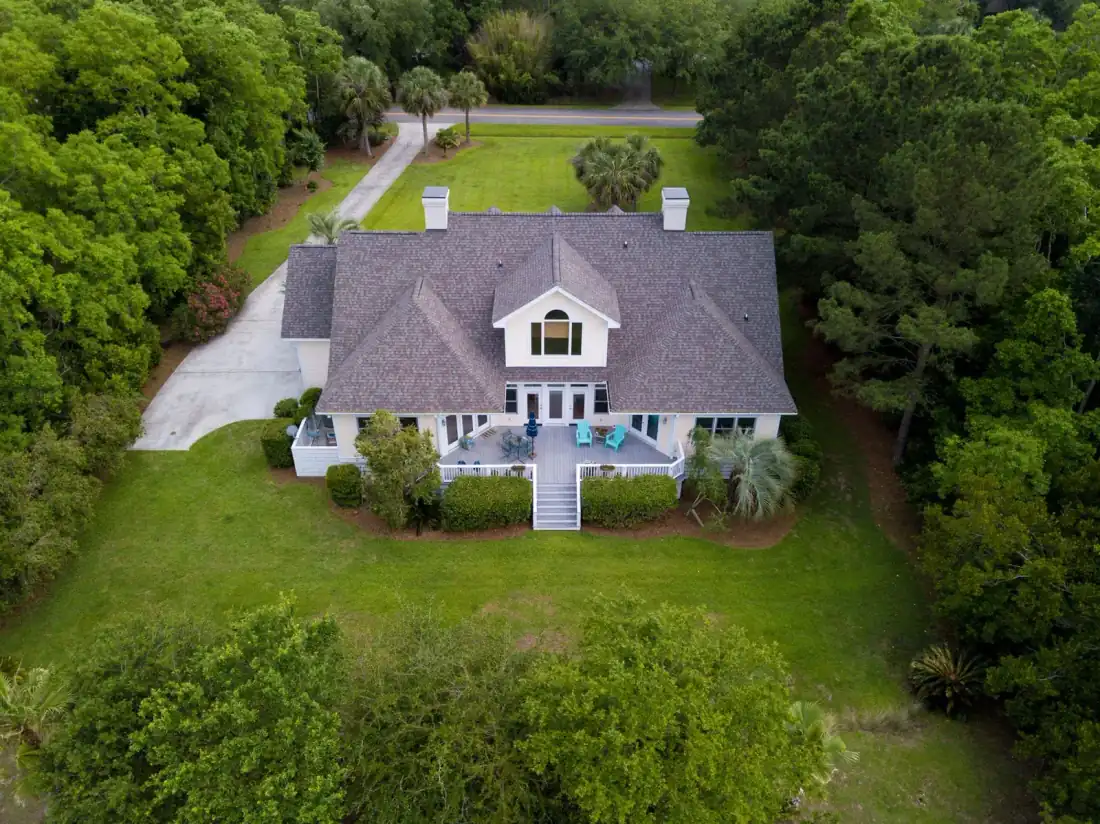
Build vs Buy a House in Florida: When a $600k Custom Build Beats a $450k Existing Home on 10-Year Value
Should you build or buy in Florida? Here is how resale prices compare with custom build costs, what an older home really costs over 10 years, how insurance and property taxes differ and a planning example that shows when building wins.
Read Article
Tear Down and Rebuild vs Remodel in Florida: The Break-Even Point Where Rebuilding Wins
Remodel or tear down and rebuild? Here is what each path costs in Florida, the FEMA 50 percent rule and wind code factors that tip the scale and a planning example that shows where rebuilding starts to win.
Read Article
Adding a Second Story in Florida: Why Foundation and Wind Load Make It Cost More Than You Think
Adding a second story in Florida often costs more per square foot than building out or even building new. Here is what drives the price, from footing reinforcement and hurricane wind load to the FEMA 50 percent rule, with 2026 planning ranges.
Read ArticleReady to Build?
Get your free evaluation today.
No-pressure consultation. We serve Hernando, Pasco, and Citrus counties. Call us now or request a visit online.